
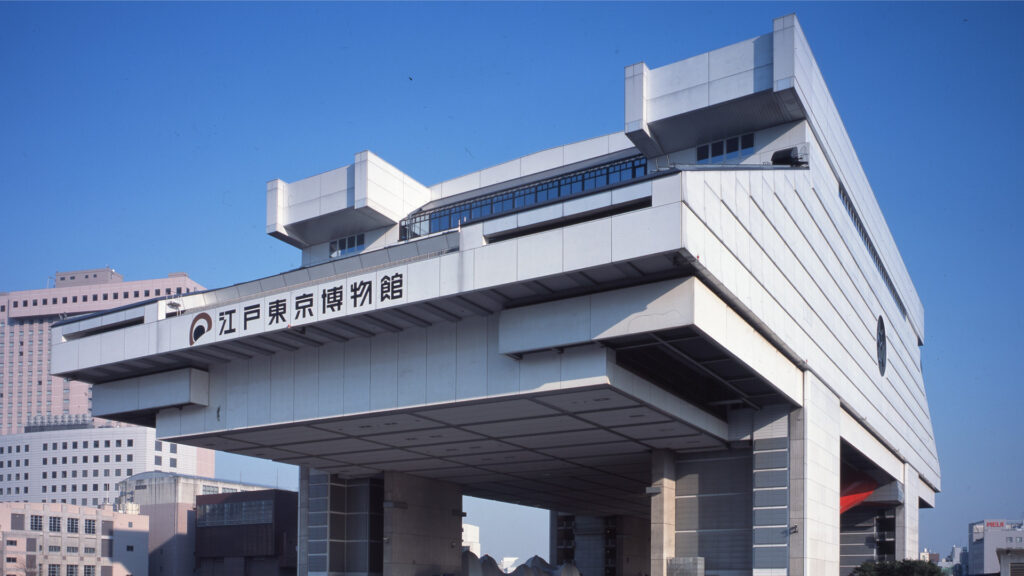

Tokyo Metropolitan Edo-Tokyo Museum
Tokyo Metropolitan Edo-Tokyo Museum opened in March 1993 as a place to look back on the history and culture of Edo-Tokyo and to consider the city and life of the future. The unique building was designed by Kikutake Kiyonori, and since its opening, it has become one of Tokyo's leading cultural facilities, showcasing precious original materials, reconstructed models, and interactive materials, focusing on the approximately 400 years from Tokugawa Ieyasu's arrival in Edo to the present day. *The museum will be reopening on Tuesday, March 31, 2026.
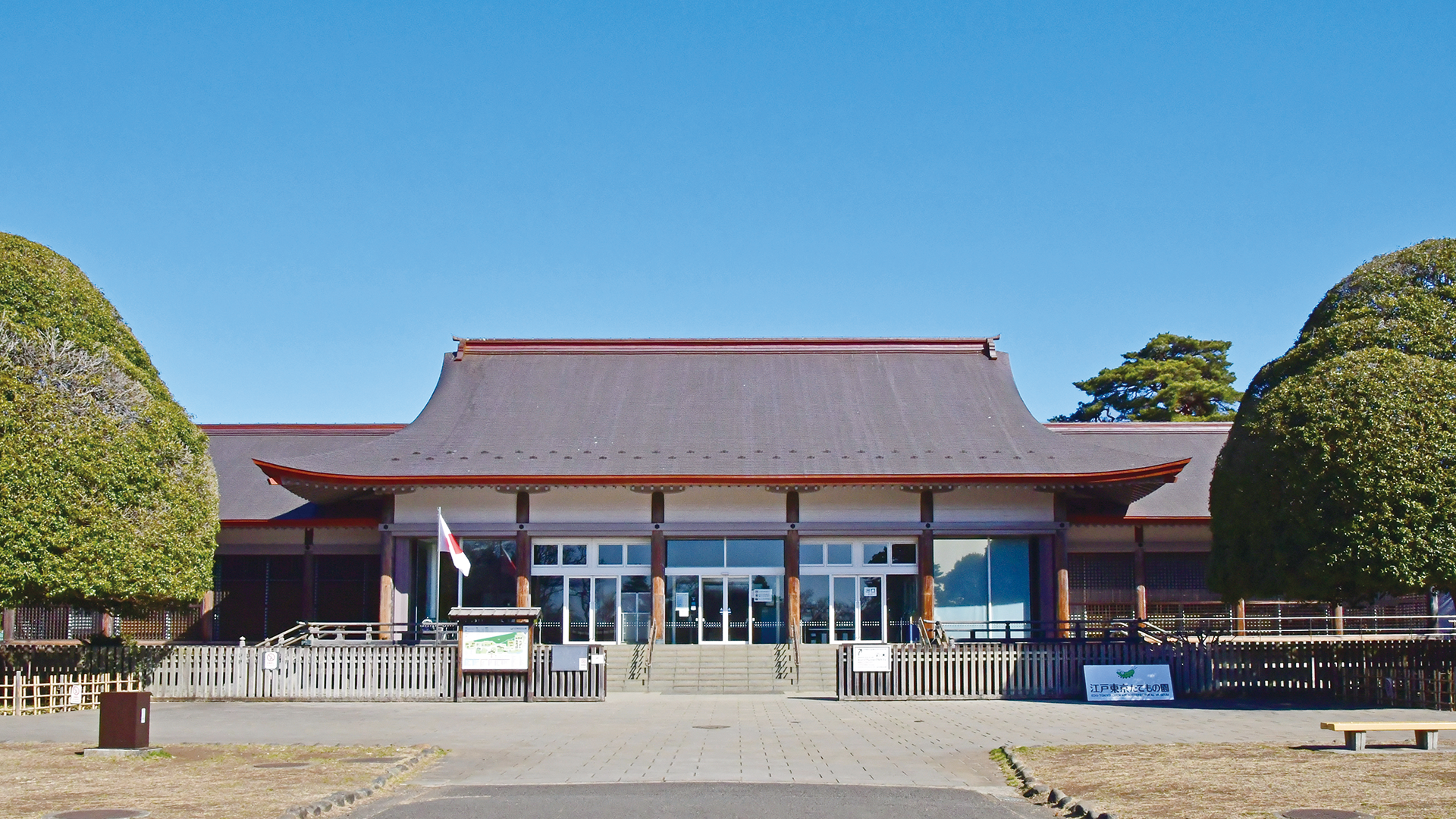
Edo-Tokyo Open Air Architectural Museum
Edo-Tokyo Open Air Architectural Museum Tokyo Metropolitan Edo-Tokyo Museum. Its purpose is to preserve and display buildings of great cultural and historical value that cannot be preserved on-site, relocating and restoring them to pass them on to future generations as precious cultural heritage. Thirty buildings, including residences and shops, that once stood in Tokyo from the Edo period to the mid-Showa period are lined up, recreating the streetscape.
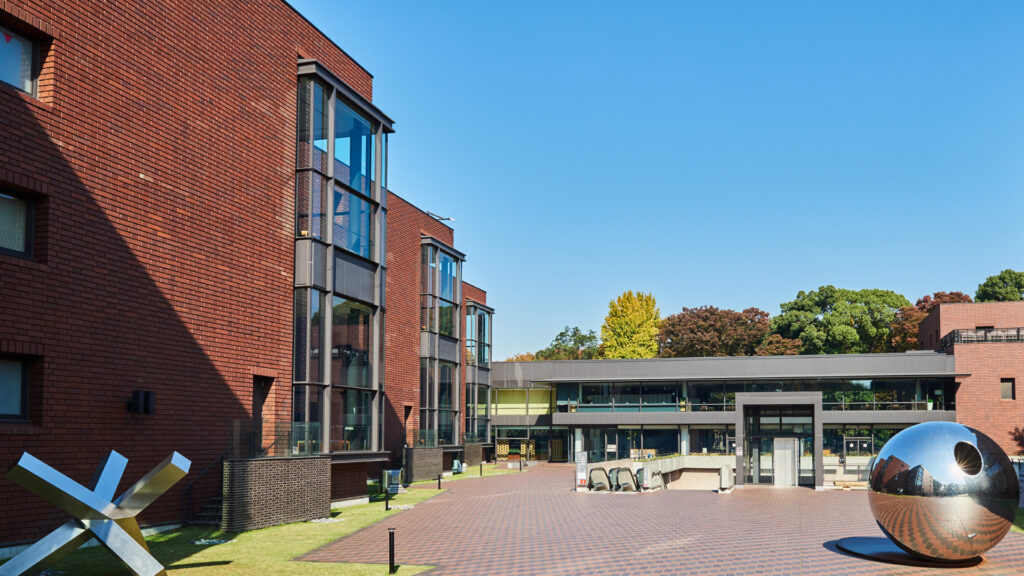

Tokyo Metropolitan Art Museum
Tokyo Metropolitan Art Museum was founded in May 1926 as Japan's first public art museum, and has since become a popular venue for art groups and other organizations to present their work. In addition to special exhibitions where visitors can enjoy masterpieces from Japan and abroad, the museum also hosts annual themed exhibitions, open group exhibitions, and school education exhibitions, as well as art communication projects that explore new possibilities for the museum as a place for interaction.
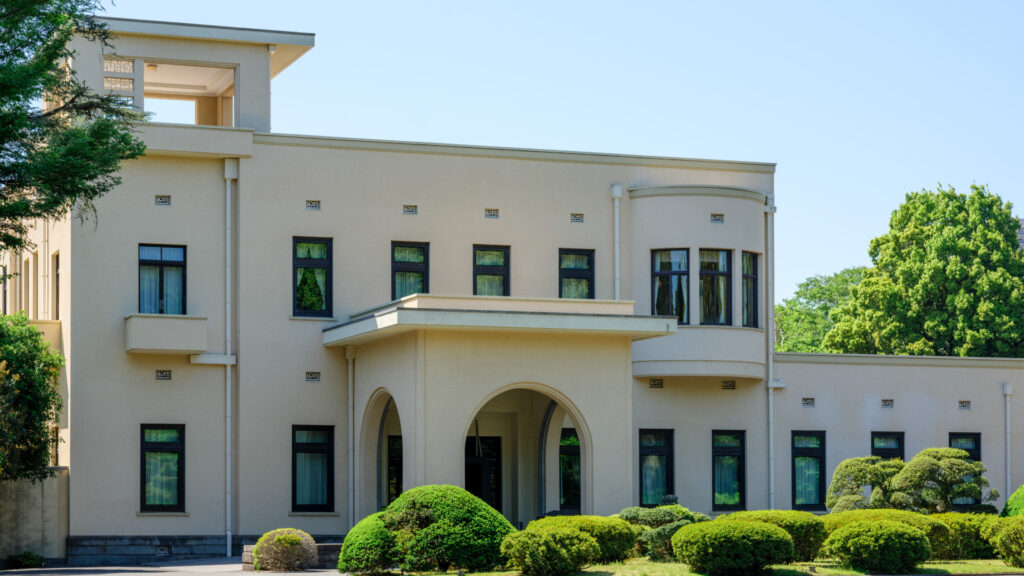

Tokyo Metropolitan Teien Art Museum
The Tokyo Metropolitan Teien Art Museum was built in Showa 8 (1933) as the residence of Prince Asaka, and opened in Showa 58 (1983) as an art deco style building with a harmonious garden. In Heisei 26 (2014), the new building was completed, and in Heisei 27 (2015), the main building, main gate, tea room, etc. were designated as national important cultural properties. As an art museum where you can enjoy "historic buildings," "art works," and "lush gardens," we aim to be a place for unique creativity.
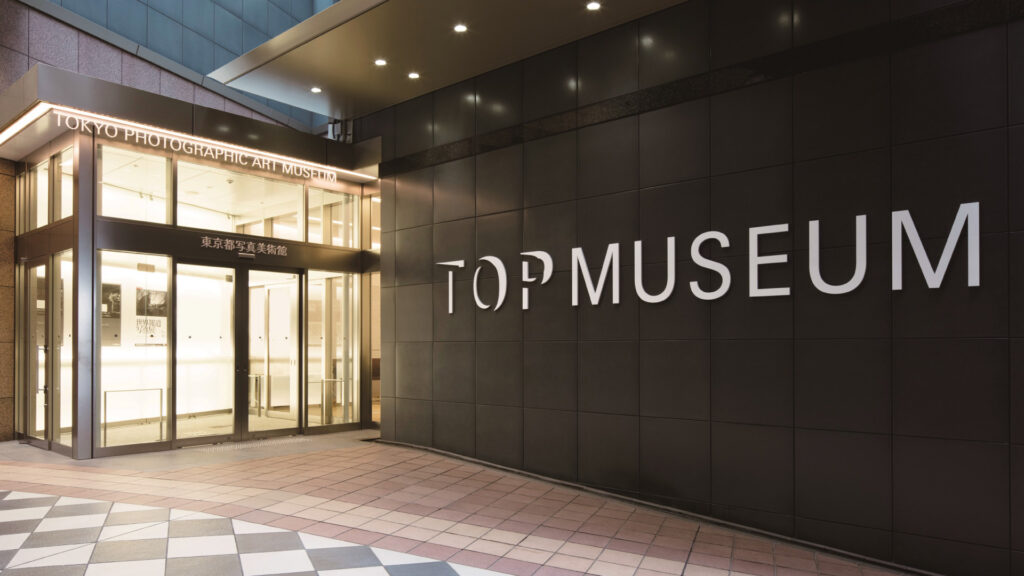

Tokyo Photographic Art Museum
The Tokyo Photographic Art Museum was opened in January of Heisei 7 (1995) as Japan's first comprehensive museum dedicated to photography and video. The museum's activities include the collection and management of outstanding works, the planning of high-quality exhibitions, educational outreach programs to realize social expansion, and research that forms the basis for museum activities. In addition, we have a hall where movies are shown and a library dedicated to photography and video, and we aim to play a role as a center for photography and video representing Japan and become a place for new creative activities.
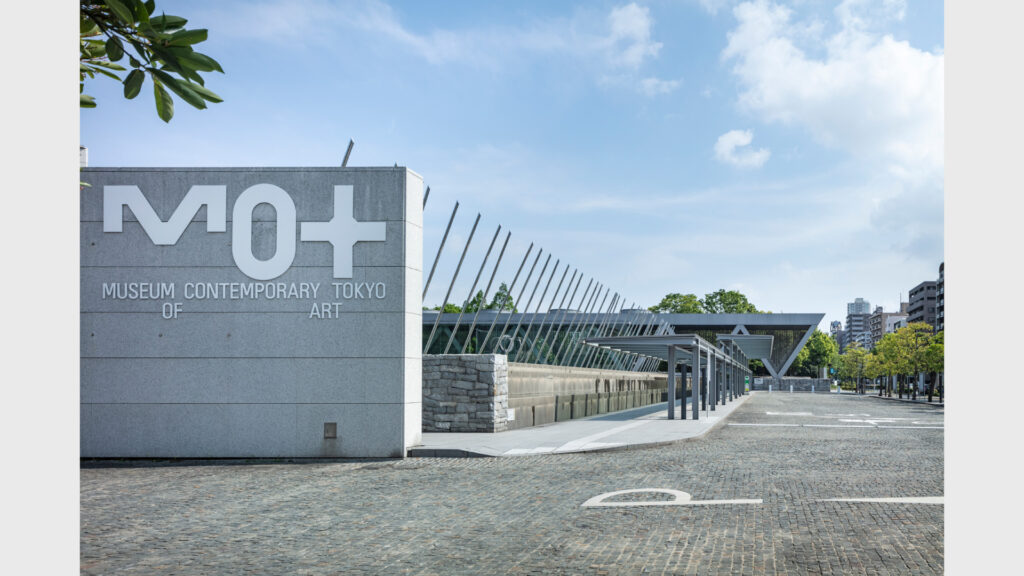
Museum of Contemporary Art Tokyo
The Museum of Contemporary Art Tokyo was opened in Tokyo Metropolitan Kiba Park in March Heisei 7 (1995) for the purpose of promoting contemporary art and enriching art culture, and was renovated and reopened in March 2019 (2019). In addition to a collection exhibition that makes use of the approximately 6,000 works in the museum's collection and a large-scale international exhibition, the museum holds planned exhibitions that capture a wide range of contemporary art including paintings, sculptures, fashion, architecture and design.
Tokyo Arts and Space
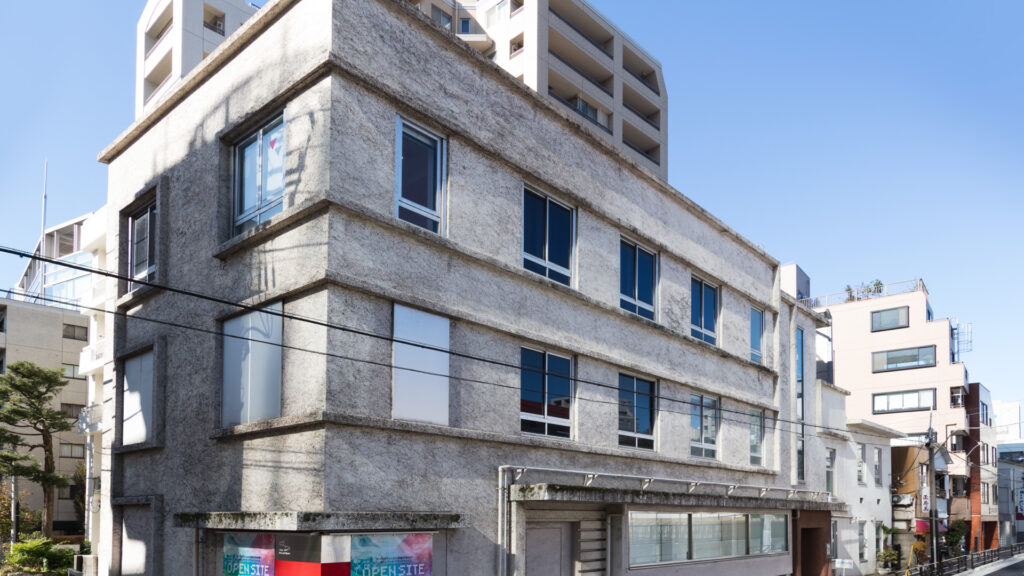
Tokyo Arts and Space (TOKAS) opened in 2001 as Tokyo Wonder Site, and in 2006 began a residency program to invite and dispatch artists and creators from Japan and abroad. The name was changed in 2017, and in 2018, the Tokyo Metropolitan Government and the Contemporary Art Award were established. Centered around the two locations of Hongo and Residency, TOKAS operates a variety of programs as an international art center that comprehensively supports residencies, research, production, and exhibitions.
Tokyo Shibuya Koen-dori Gallery
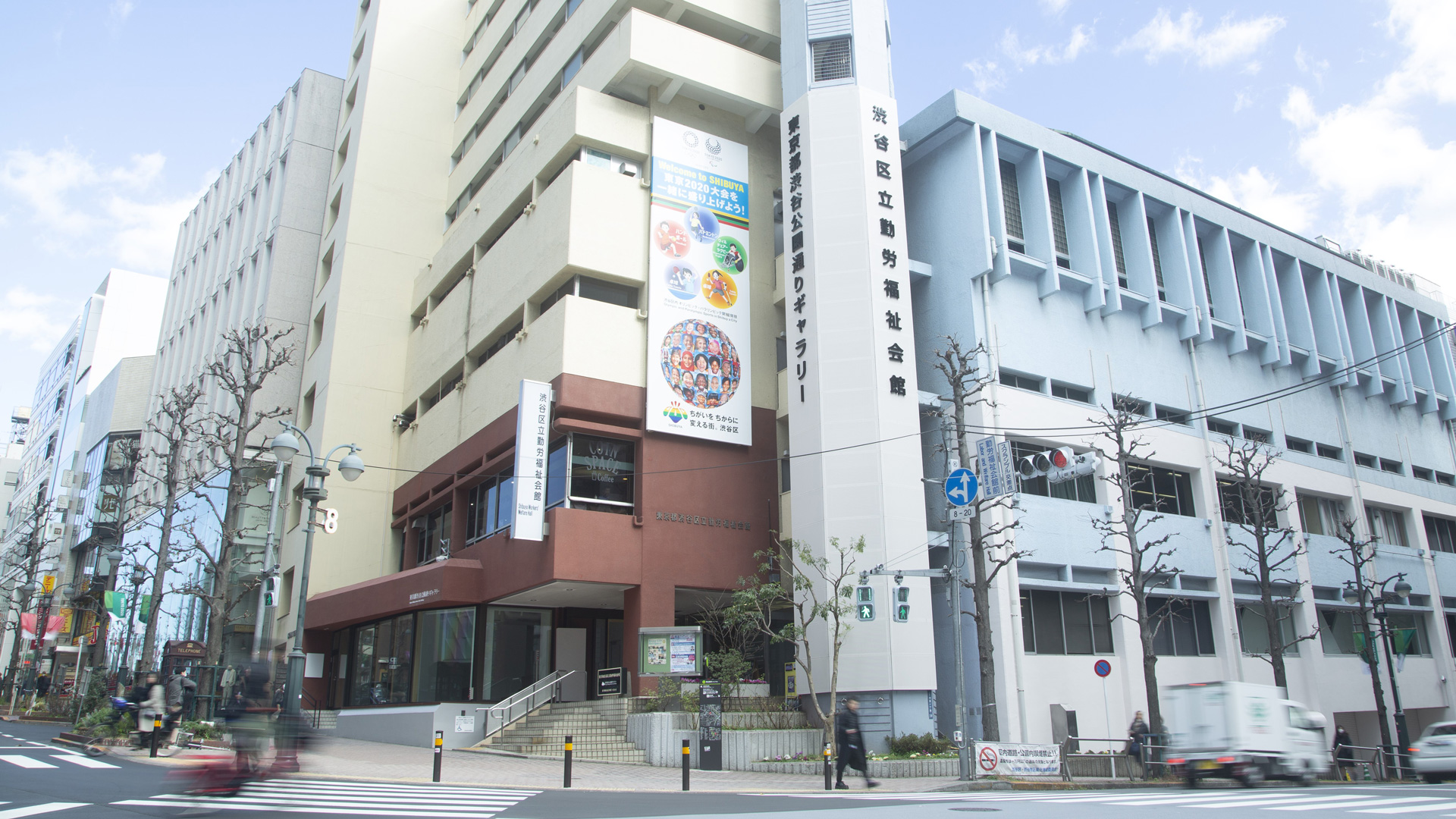
Tokyo Shibuya Koen-dori Gallery had its grand opening in February 2020 as a base for promoting art brut and other art forms in Tokyo. Aiming to promote understanding of diversity and contribute to the realization of an inclusive and symbiotic society through art, the gallery creates opportunities for people to come into contact with the diverse creativity and new values of each individual through exhibitions of a variety of works, including art brut.
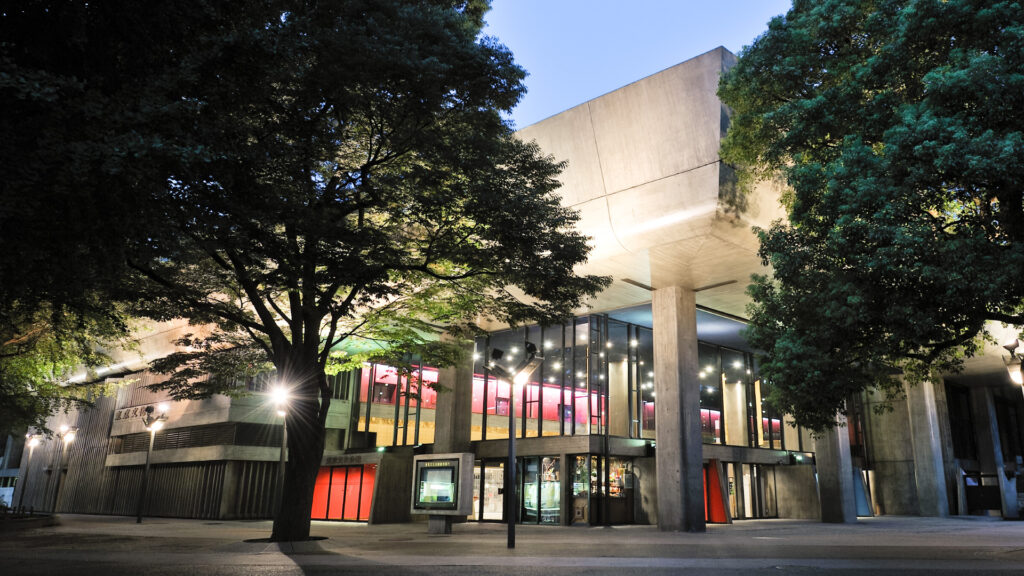
Tokyo Bunka Kaikan
Since its opening in April 1961, Tokyo Bunka Kaikan has served as a "Hall of Fame for Music" and has been the stage for historic performances of operas, ballets, classical concerts, and other events from Japan and abroad. The building, designed by Kunio Maekawa, is known as one of Japan's leading examples of modernist architecture, and the music archives offer valuable materials for viewing and listening. As a hub for the arts and culture, the center hosts a wide variety of events based on the pillars of "creative communication," "human resource development," and "educational outreach."
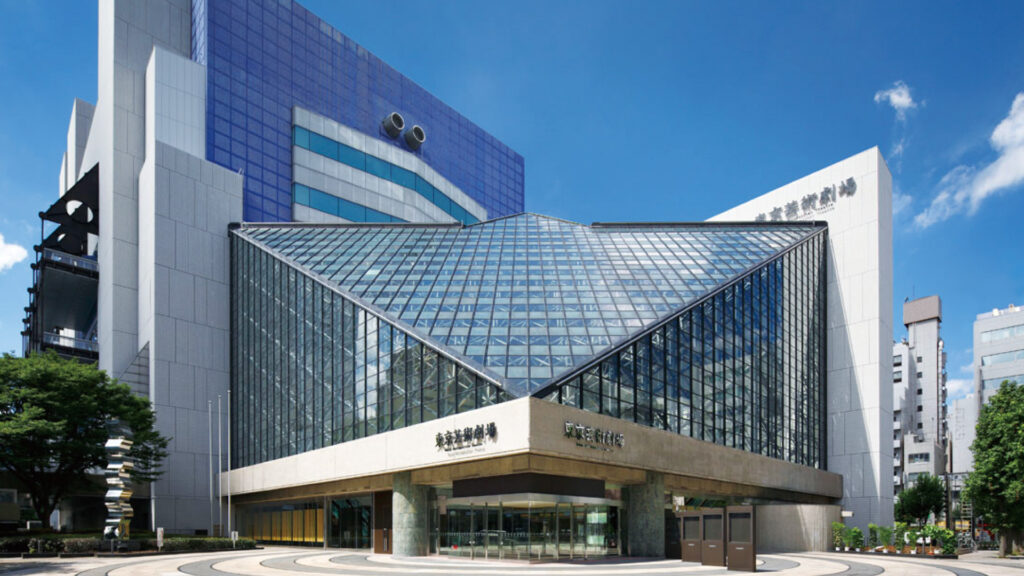
Tokyo Metropolitan Theatre
Tokyo Metropolitan Theatre opened in October, Heisei 2 (1990). It is a cultural complex that serves as a base for the creation and dissemination of artistic culture, education and human resource development, entertainment, and international cultural exchange centered on music and performing arts. With a total of 4 halls, including a concert hall for 2000 people equipped with the world's largest rotating pipe organ, we continuously hold unique and high-quality programs such as concerts, plays, dances and lectures.
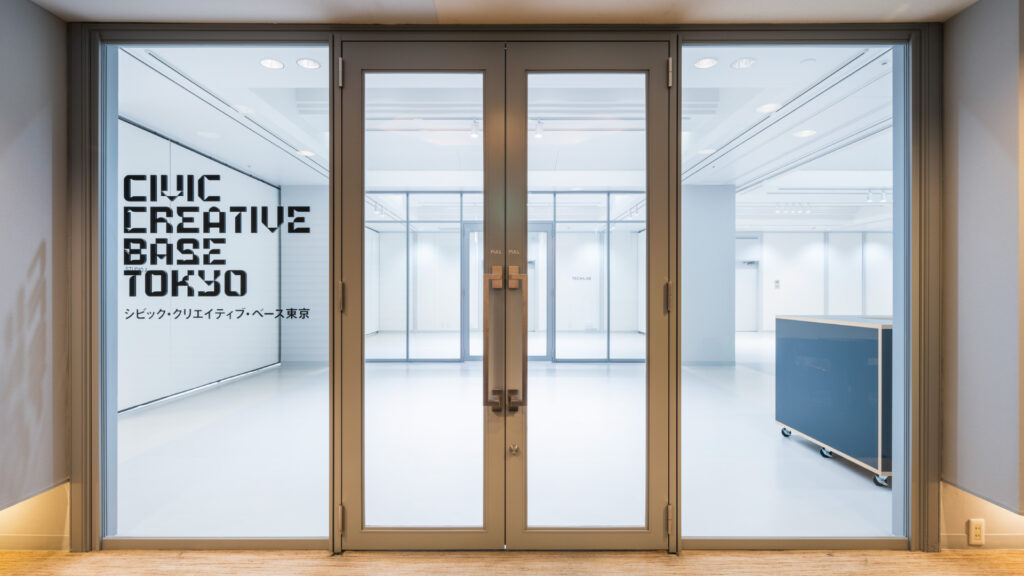
Civic Creative Base Tokyo
[CCBT]
Civic Creative Base Tokyo [CCBT] is a base for activities to demonstrate people's creativity to society through the use of digital technology (Civic Creativity). With labs, studios, and other spaces, it will become a driving force for innovation from Tokyo through workshops and other programs.

Arts Council Tokyo
Arts Council Tokyo strives to enhance its grant programs and develops cultural programs that anyone can participate in and enjoy, utilizing cultural resources such as not only cultural facilities but also unique urban areas, parks, and landmarks.We also develop a wide range of projects, including those that address social issues from an artistic perspective and those that foster talent who can connect society and art.