
After a four-year closure and extensive renovations, Tokyo Metropolitan Edo-Tokyo Museum (hereafter referred to as the Edo-Tokyo Museum) reopened on March 31, 2026. It is expected to once again become a place where many visitors can gather to look back on the history and culture of Edo-Tokyo and think about the city and life of the future.
One of the attractions of the Edo-Tokyo Museum is its extensive collection of materials and its extensive hands-on exhibits, mainly large models. If you visit the museum, you will be able to encounter precious real objects, reconstructed models, and hands-on materials, focusing on the 400 years from Tokugawa Ieyasu's entry into Edo to the present day. Following on from the first part, which reported on the renovation in terms of space design and presentation, the second part will introduce the new attractions of the Edo-Tokyo Museum by introducing the exhibits that have been enhanced by the renovation.

Deeper and Realer Life in Edo and Tokyo
In addition to the space design inside and outside the building that was introduced in the previous part, this renovation has enhanced the exhibition contents to make the facility more attractive.
Hattori Watch Shop was established to replace Asano Newspaper Co., Ltd.
Since the Edo-Tokyo Museum opened in 1993, there has been a model of the Asano Newspaper Company as the face of the permanent exhibition Tokyo Zone. Asano Shimbun is located on the corner of Ginza 4-chome. After the newspaper was discontinued, it was purchased and renovated into the Hattori Watch Shop. Based on this historical fact, when the permanent exhibition room was renovated 30 years after its opening, it was decided to renovate the model of Asano Newspaper Company into a model of Hattori Watch Shop.
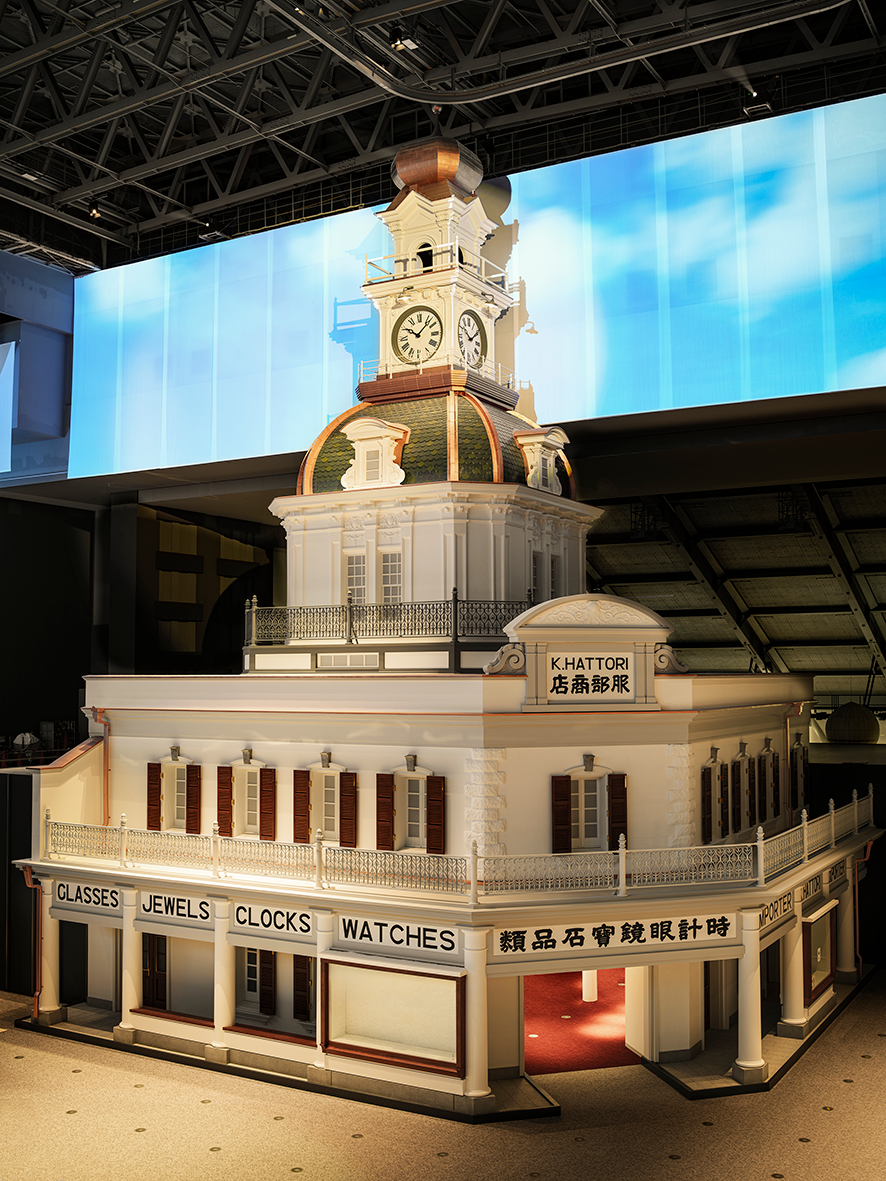
When you pass through the entrance of the Hattori Watch Shop, you will see the world of Tokyo bubbling up with civilization, and you will be able to experience the transition of the era from Edo to Meiji.
into a full-scale model of the Nakamura-za Theater.
One of the many exhibits at the Edo-Tokyo Museum that has been particularly popular with visitors since its opening is the full-scale model of the Nakamura-za Theater, located in the center of the atrium that can be viewed from Nihonbashi.。
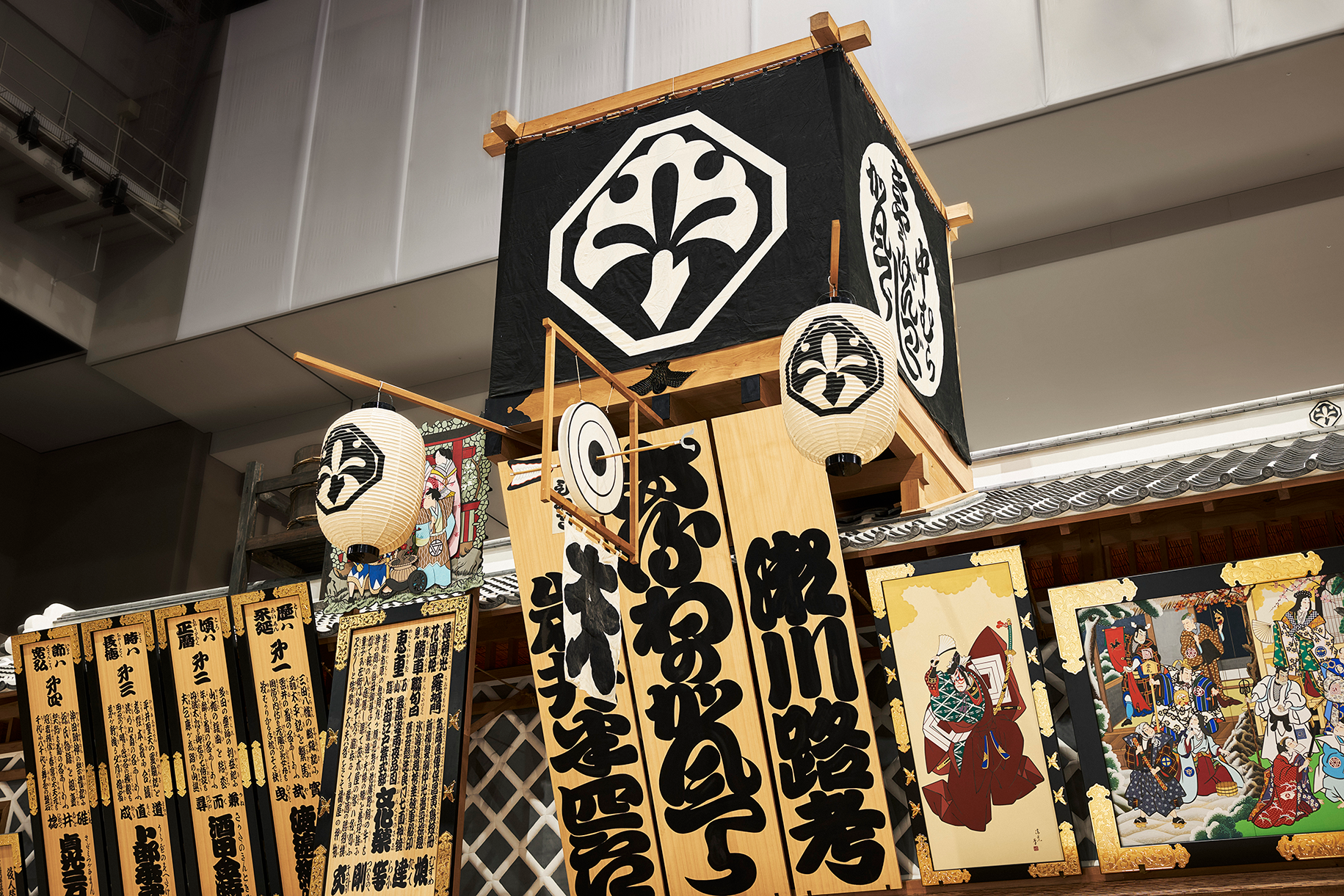
Up until now, visitors were mainly able to see the outside of the theater, while the inside of the theater had to be viewed from the outside. However, in response to requests from visitors who wanted to go inside the theater, we have newly established a flow route for visitors to enter the model of the Nakamura-za Theater (front part). By being able to actually step inside, you can imagine the state of the playhouse at that time with a more realistic feeling.
New construction of Entaro Bus, the first automobile designated as an Important Cultural Property
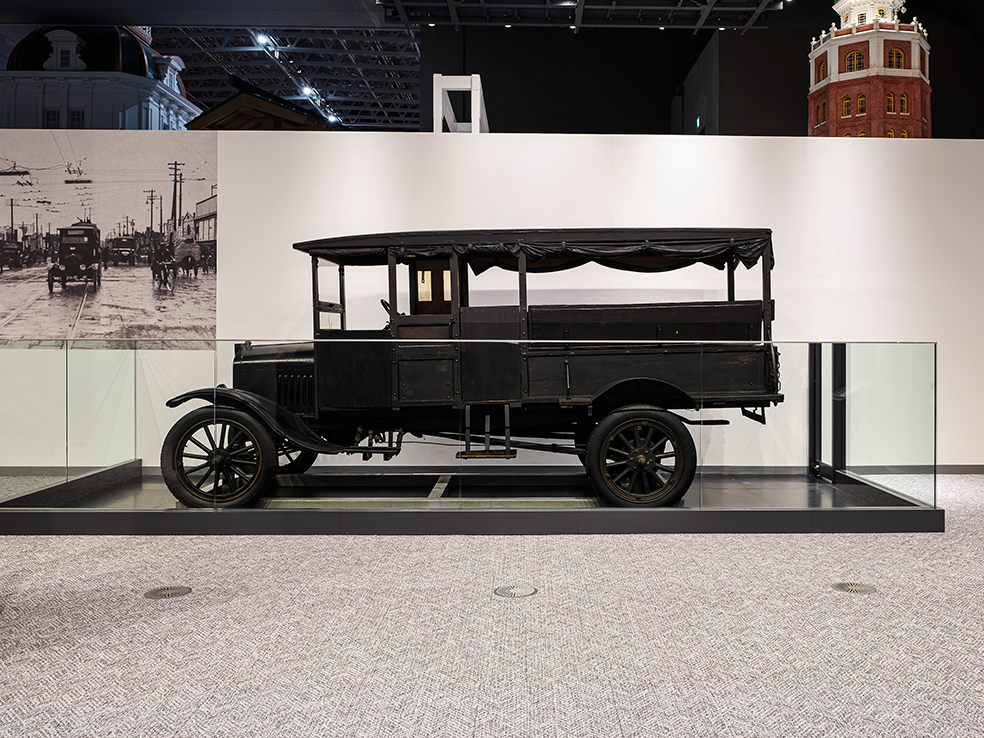
In Tokyo City, it was planned to operate bus services as a means of transportation within the city, replacing the trams that were devastated by the Great Kanto Earthquake. The company hastily imported 800 trucks (TT Fords) from the Ford Motor Company in the United States, built 11 passenger buses with passenger cabins on the loading platform, and began operating between Sugamo and Tokyo Station and between Naka-Shibuya and Tokyo Station on January 18, 1924 (Taisho 13), the year after the earthquake. The buses on display were transferred from the Tokyo Metropolitan Transportation Bureau and are the oldest surviving public buses in Japan. They were designated an Important Cultural Property in September 2020. It will be displayed in the "Great Kanto Earthquake" section of the Tokyo Zone as a symbol of recovery from the earthquake.
Reproduction of a realistic Edo townscape that brings to mind the scenes of the people living there.
In the Edo zone, we expanded the space that recreates the city of Edo with the aim of creating a space where people in Edo can feel their daily lives. There are food stalls such as tempura and soba that appear in paintings and documents of the time, and food stalls where you can learn about the seasons and pleasures of Edo such as water vendors and morning glory vendors. You can feel as if you are lost in the city of Edo in the exhibition room.
(ハーフサイズ)-scaled.jpg)
Inside the nagaya, there is a space for visitors to step in, so the height of the ceiling and the width of the frontage of the room can be adjusted. You can experience it when.
Enhanced support for diverse visitors to enjoy the exhibits
We are working to enhance support from various angles so that more people can enjoy the exhibition.
For international visitors and other visitors requiring language support, audio guides are available in 13 languages. Visitors can listen to the music on their own smartphones and other devices. In addition, explanatory videos for visual understanding and pictograms to encourage the use of hands-on materials are placed at various locations, so that people can understand the materials and models without using language, and are naturally guided to the hands-on exhibits.
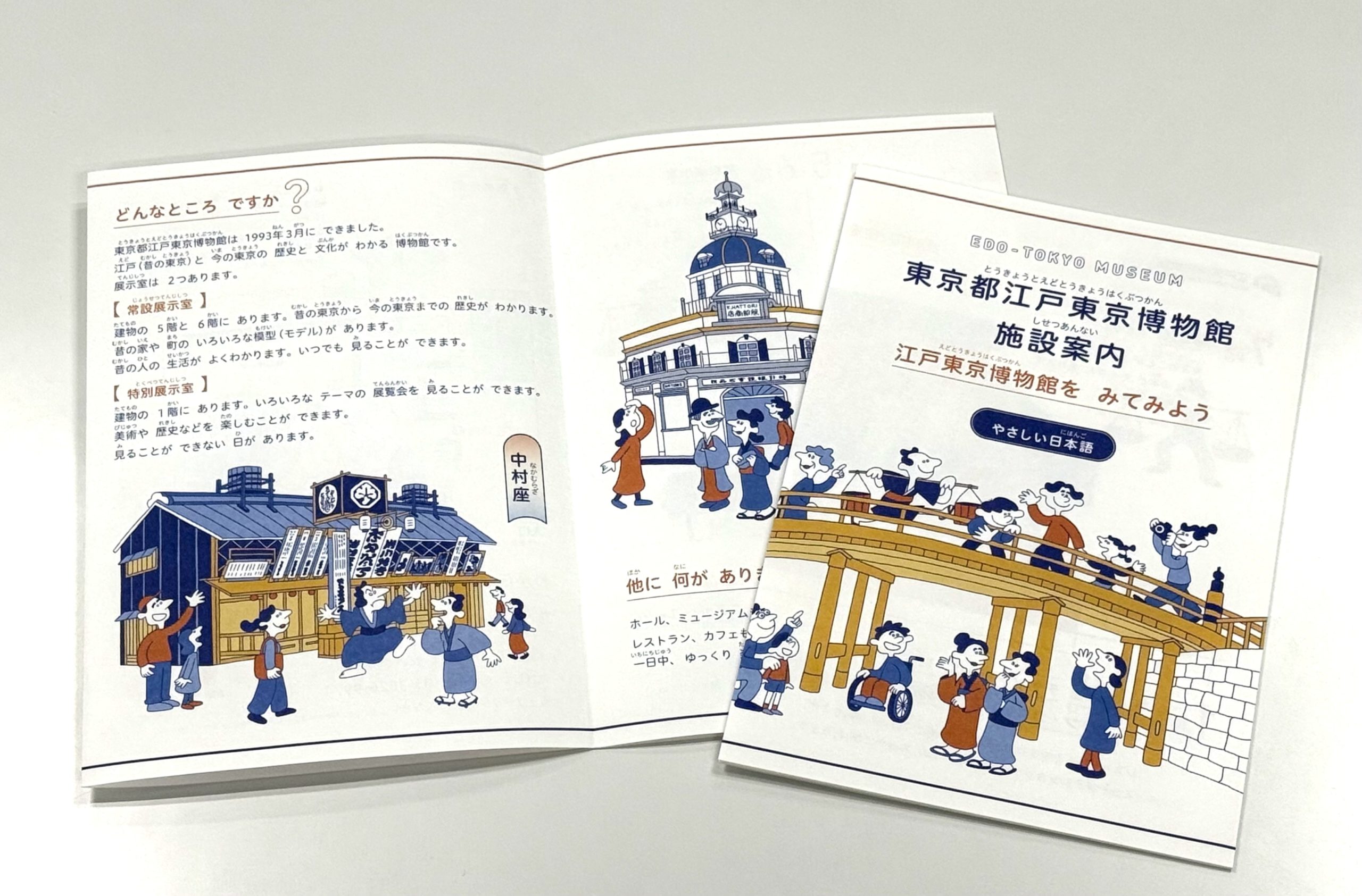
国籍・年齢・障害の有無を問わず、必要な情報を受け取りやすくなるためのサポートとして、「やさしい日本語」を採用した施設案内や常設展示室のガイドブックをはじめ、常設展示室では触知案内や触察模型に加えて、常設展示室の地図を点字と立体的な印刷で表した点字フロアマップも用意されました。※点字フロアマップは5、6階にある案内(information)で必要な方へお渡ししています。
また、ホームページからダウンロード可能な「ユニバーサルガイドブック」を活用すると、来館前にバリアフリー情報を確認でき、館内での体験を想像して事前に訪問の計画を立てることが可能です。
In fiscal 2026, 5 special exhibitions commemorating the renewal were held. holding
From April 2026, a special exhibition will be held to commemorate the renovation. At the top of the list is “Oedo Kudan ” (from 2026/4/25 to 5/24), where visitors can immerse themselves in an exhibition space created by the interweaving of real artifacts and venue staging, with masterpieces from the Edo-Tokyo Museum's representative collection at the core.
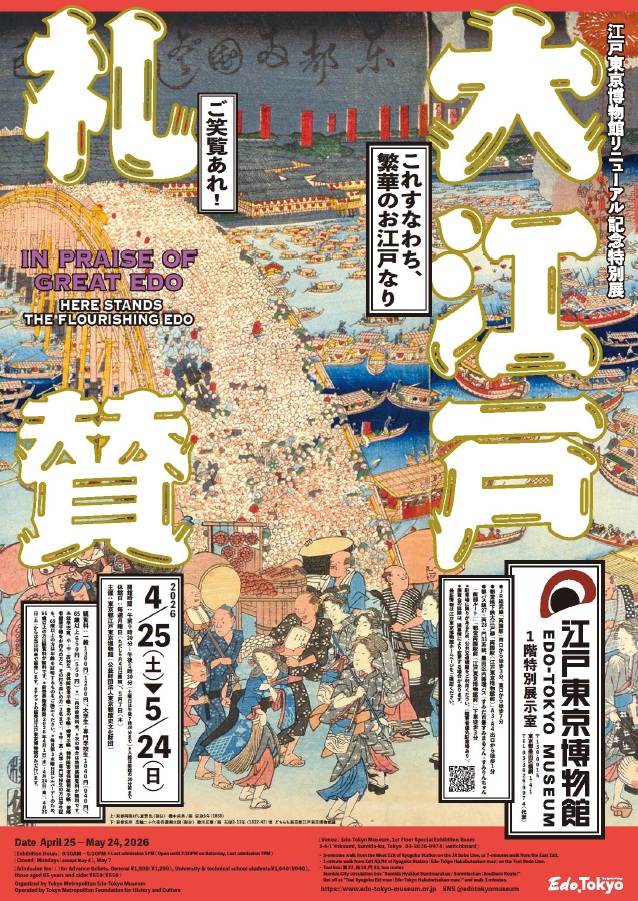
初夏には、本格的西洋建築の設立までを紐解く、“洋館”をテーマに立体的な展示手法が楽しめる「洋館 明治の夢と挑戦」(2026/6/23~8/23開催)、そして秋〜年始にかけては、江戸時代の絵師・円山応拳の画業の全貌を紹介する「円山応拳」(2026/11/28~2027/1/24開催)、さらに現代の視点で江戸の人々の“装う”ことの楽しみをとらえ直す「江戸オシャレ」(2027/2/13~4/4)と、様々な切り口から江戸・東京を知ることができる展覧会が続きます。
In addition, the NHK Taiga Drama Special Exhibition "Toyotomi Brothers" (2026/9/15 to 11/8) will be held in conjunction with the current Taiga Drama. You can enjoy the story more deeply by touching the background of the story and historical materials through the exhibition. In addition to the newly renovated permanent exhibition, please be sure to pay attention to the special exhibition that is presented from a unique perspective of the Edo-Tokyo Museum.
Edo-Tokyo Museum Continues to Evolve with Living in Tokyo
The Edo-Tokyo Museum has been updated to accommodate a diverse range of visitors, making it even more accessible and attractive. The lives of Edo and modern Tokyo are connected to the lives of people living in modern Tokyo. The Edo-Tokyo Museum will continue to evolve as our lives change.
Text: Mami Maeda