
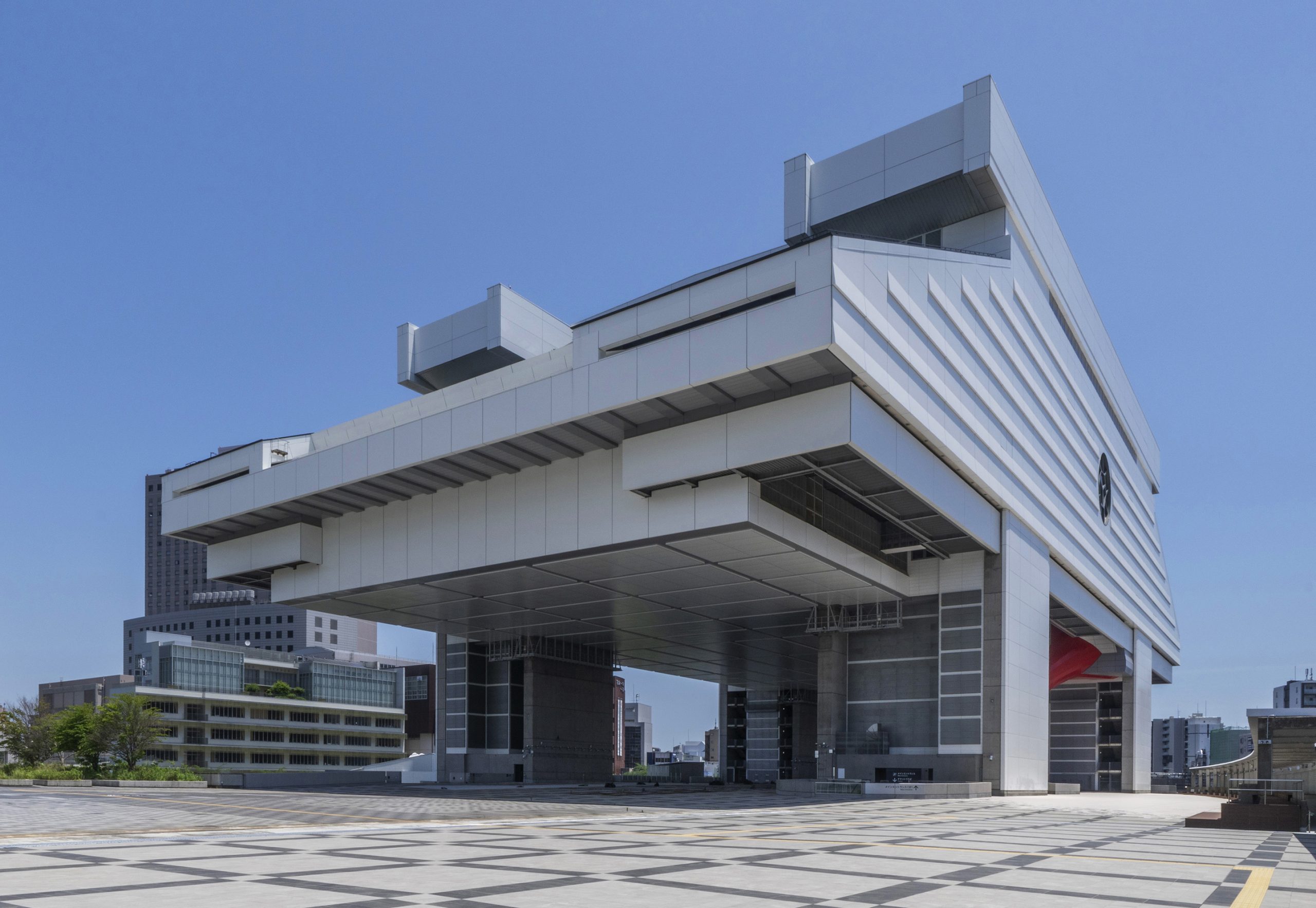
Tokyo Metropolitan Edo-Tokyo Museum (hereinafter referred to as the Edo-Tokyo Museum) is a major center for the preservation of Edo/Tokyo's traditional culture and the creation of Tokyo's cultural heritage, and is known for its engaging, interactive exhibits. Designed by Kiyoshi Kikutake, the building stands majestically in front of Ryogoku Station and has long been a beloved landmark in the Ryogoku area, alongside the Ryogoku Kokugikan (sumo arena).
The Edo-Tokyo Museum reopened on March 31, 2026 after 4 years of extensive renovations starting in 2022. Here are the highlights in the first and second parts.
In the first part, we will introduce the architectural and spatial design that symbolizes the high expectations for the new Edo-Tokyo Museum and the participatory planning that was conducted as part of the activities to build momentum before the renovation.
Architectural and Spatial Design Aiming to Become an Icon of Tokyo
The Edo-Tokyo Museum aims to become an icon of Tokyo. For this large-scale renovation work, the architect Shohei Shigematsu worked with the international architectural design firm OMA (Office for Metropolitan Architecture), his partner, to design the interior and exterior of the building.
"We would like to make it easier to understand the flow of the approach from the entrance," Mr. Shigematsu said. The idea to further enhance the potential of the architecture designed by Kiyonori Kikutake was conceived based on his desire to make more effective use of the high ceiling space of the exhibition room.
First of all, we thought that "it is necessary to be mentally prepared for the transition from the ordinary to the extraordinary" when approaching the museum, and as a mechanism to heighten expectations before entering the museum, we created a "torii" motif on the approach from the west side of the first floor on the JR Ryogoku Station side that heightens immersion from the present to Edo. was established. This was originally designed by Kikutake. workpiece, so they tried to make it modern while keeping the impression of a long-loved landscape.. A series of structures that lead visitors to the entrance of the museum are designed to project images on the inside.window. Through it, visitors can experience a tunnel-like experience that takes them back in time from modern-day Tokyo to Edo.

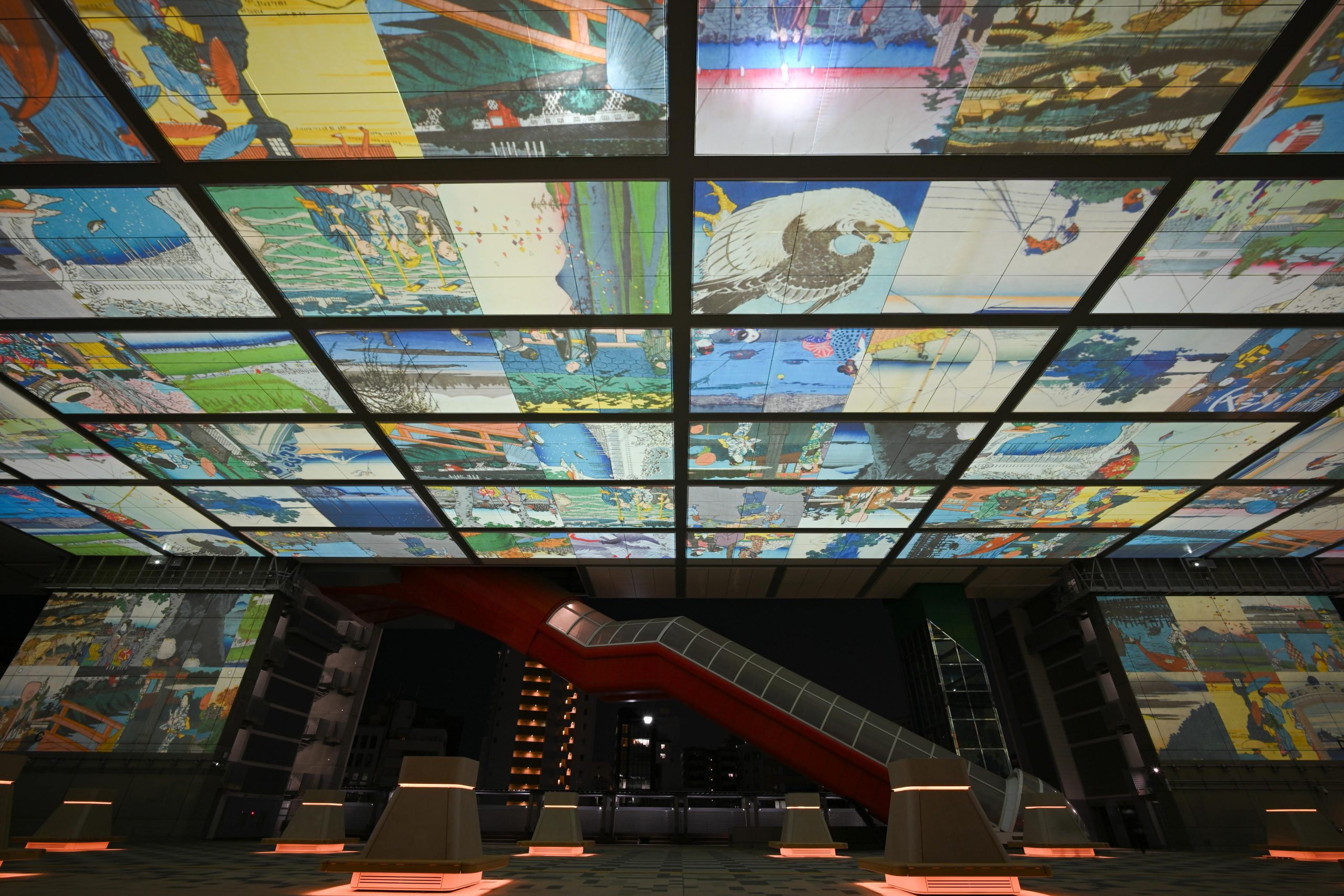
On the third floor is the Edo-Tokyo Hiroba, where visitors can experience the museum's collection. Using the ceiling and pillar surfaces as large screens to project and introduce images of the collection has the effect of arousing visitors' interest in the collection before entering the exhibition room. In addition, museums and art galleries tend to be closed to the inside, so that it is impossible to see the works without going inside. Based on this tendency, Mr. Shigematsu made the most of the potential of the pilotis space on the third floor, and added a presentation that makes the inside and the outside connected to the ground, creating a new guiding space for exhibition experience that has never existed before. * Please check the website of the museum for the projection time.
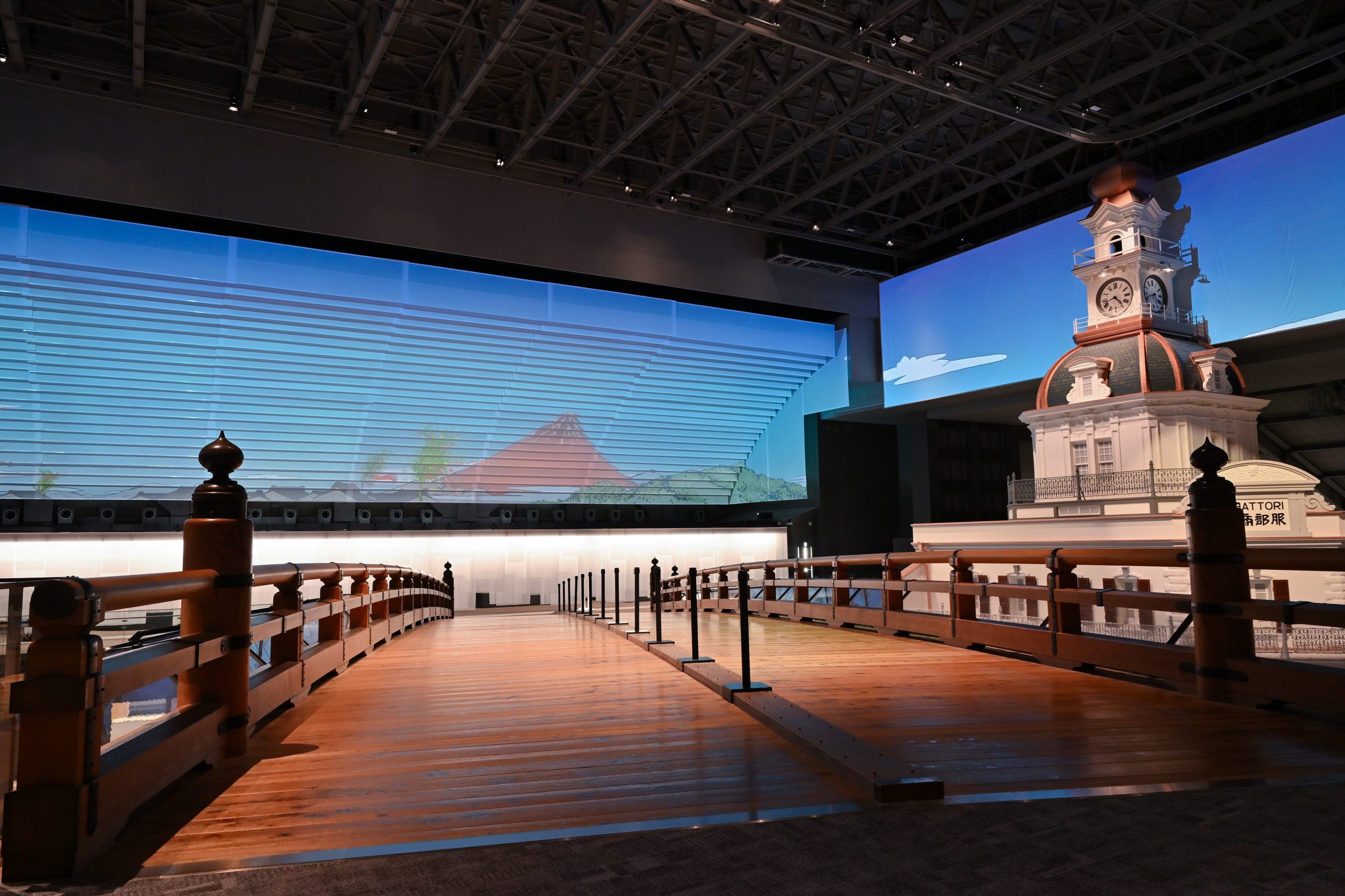
In the permanent exhibition room on the 6th floor, there is a large screen that takes advantage of the high ceiling and projects images that reproduce the skies of Edo and the four seasons. Images that show the seasons, the passage of time, and changes in light are projected to enhance the viewing experience of visitors. Together with large models such as the Hattori Watch Shop, visitors can experience a sense of immersion as if they were the protagonist of a movie.
An entrance that combines traditional Edo technology with modern taste
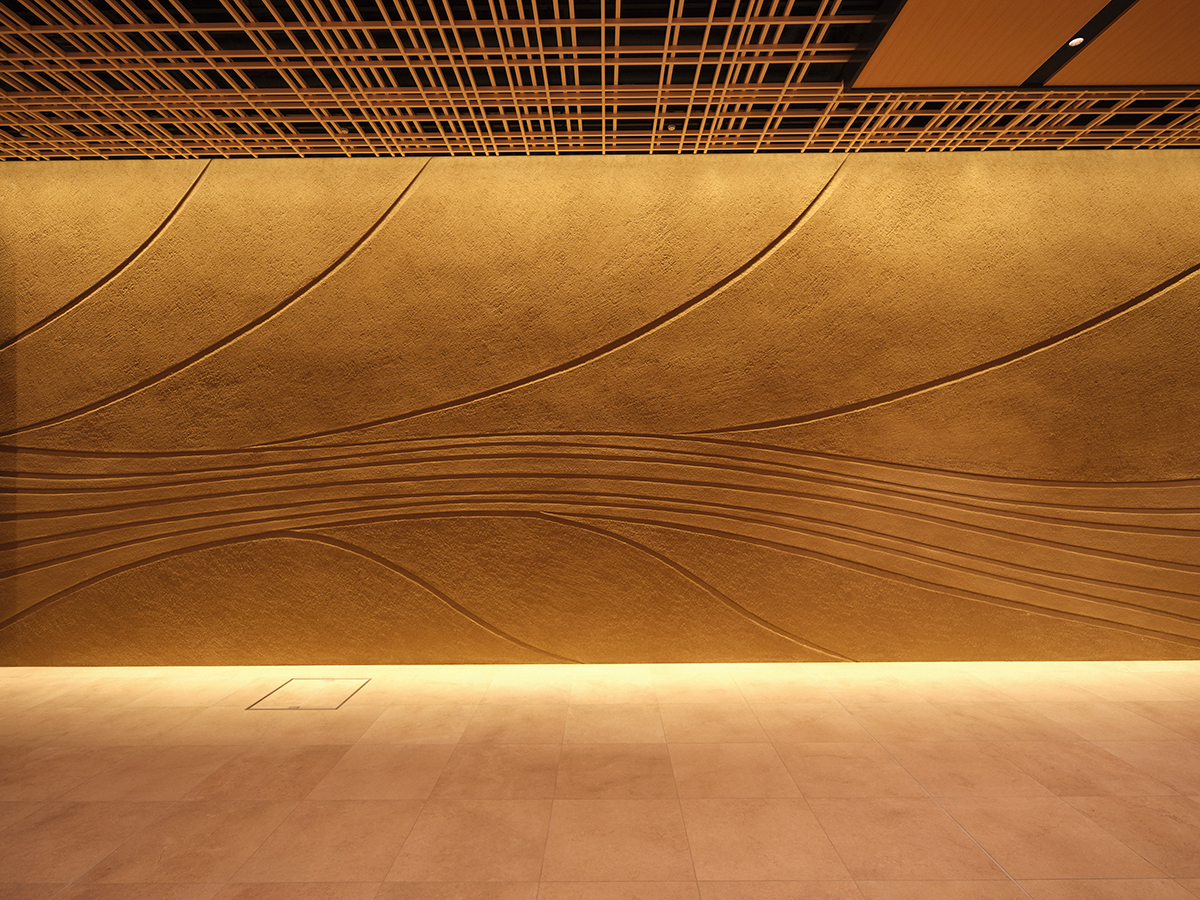
The walls of the entrance space adjacent to the small hall on the first floor have a completely different impression thanks to the skills of Tokyo Meister and plasterer Kusuminaoki. Plastering was one of the three most popular occupations in the Edo period, and it was a technique that was deeply rooted in Edo tradition. By incorporating traditional techniques that have been handed down from generation to generation with a modern sense, Mr. Kuzumi created an entrance that embraces the space with a fusion of traditional and modern expressions that connect Edo and the present.
Making the Edo-Tokyo Museum Closer to Home Through Experiences Created Together with Tokyo Residents
We implemented two proposal and application programs to help visitors feel closer to the Edo-Tokyo Museum's activities and attractions and to raise expectations for the reopening.
Exhibition Idea Contest "My Edohaku"
In the exhibition idea contest, "My Edohaku," people are invited to select items that interest them from the collection of the Edo-Tokyo Museum. There were more than 300 entries in the elementary school and junior high and high school categories.
The primary school students' task was to imagine the future of the selected collection. In the examination Each award was selected on the basis of a clear understanding of the materials in the collection, originality of the ideas imagined from them, and ease of explanation.。 The junior high school and high school students' task is to create exhibition ideas using materials from the Edo Tokyo Museum. Each award was selected based on the following criteria: easy explanation of the contents of the exhibition, ingenuity of the exhibition method, originality and feasibility of the idea, and content that makes people interested in the collection of the Edo-Tokyo Museum.
Some of the proposals were inspired by real artifacts, such as a Ford T-type touring car and a firefighter's costume, as well as scenes and people depicted in ukiyo-e prints. In both cases, they created opportunities for people to actively engage with the collection, rather than taking a passive attitude that the collection is meant to be viewed, and they felt that the collection could be used vividly by their own efforts.
Some of the winning works in each category will be exhibited at the Edo-Tokyo Museum after the renovation. (TBD).
Edohaku Makunouchi Bento Idea Contest
The Edohaku Makunouchi Bento Idea Contest was held with the theme of "Makunouchi Bento" (makunouchi bento) that people would like to eat when visiting the Edo-Tokyo Museum.
Makunouchi bento is said to have originated in the Edo period and is perfect for the Edo Tokyo Museum. Approximately 70 entries were submitted, and the top five were selected in the first round of judging. In the second round of judging, the judges tasted the bentos that were actually prepared and reproduced based on the ideas, and the top prize was decided based on a comprehensive evaluation of taste, appearance, and concept.
The name of the box lunch that won the first prize was "Edohaku Time Travel Makunouchi Box Lunch: Edo to Reiwa". The theme is to travel the history of Japanese food culture from Edo to Reiwa in one meal, and the experience of "eating and learning" the transition of Japanese food culture in one box lunch was highly praised.
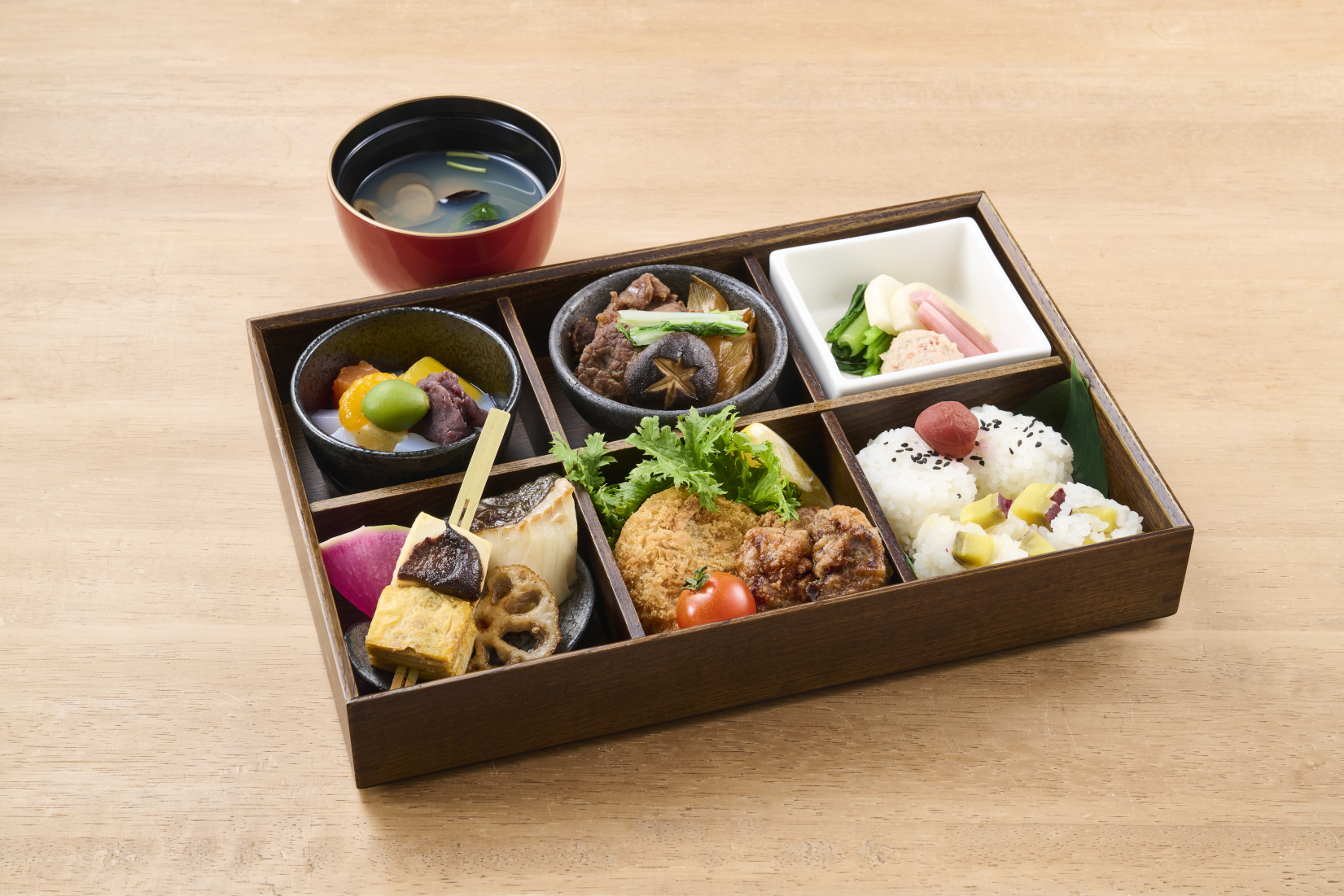
The Makunouchi bento, which won the top prize, is now available at the renovated Wa Dining Koyomi restaurant in the Edo-Tokyo Museum.
Delivering the value of the Edo-Tokyo Museum to as many people as possible and expanding opportunities to deepen and broaden learning
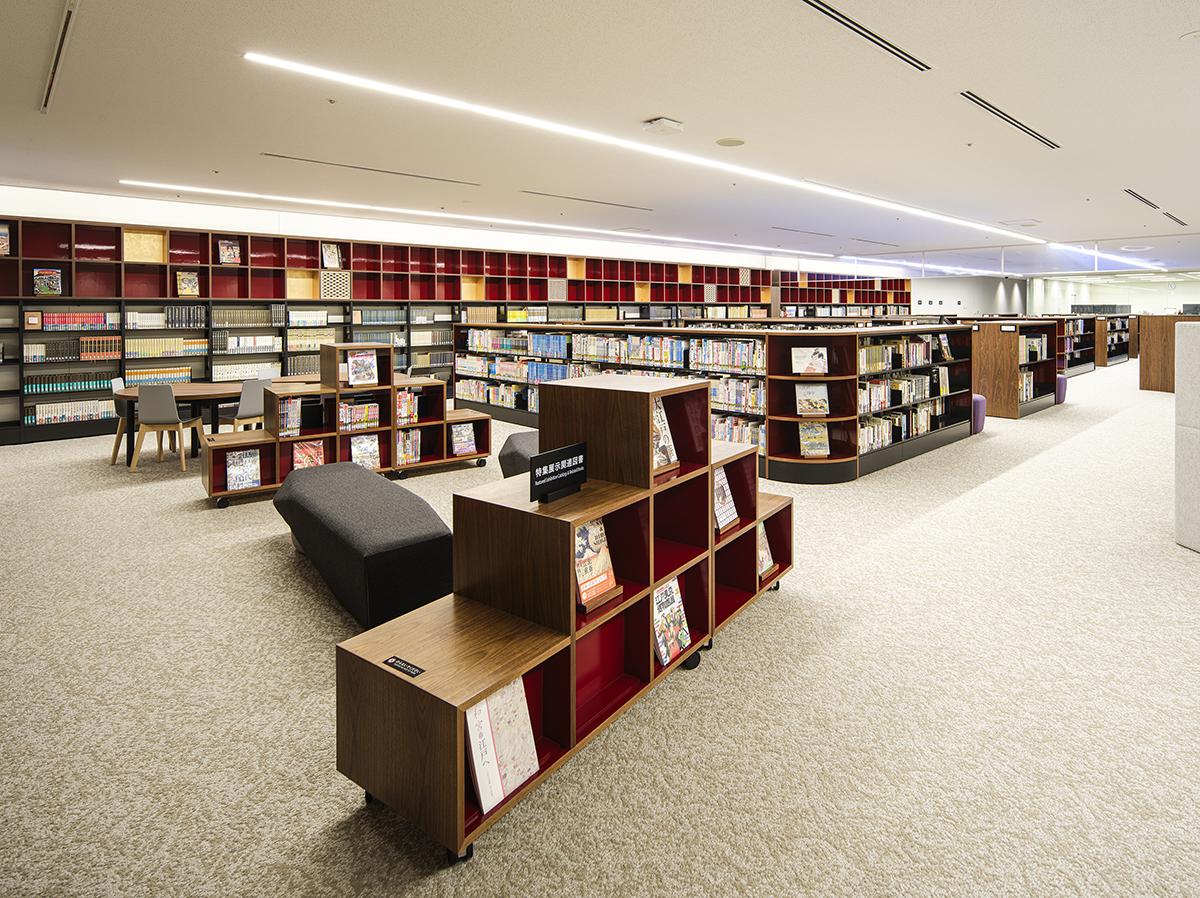
In addition, the library on the seventh floor has been renovated and reopened following a large-scale renovation. The number of open stacks has increased by about 1.5 times compared to the previous version, and books on Edo, Tokyo, and museums can be easily picked up and read. In addition, a book corner related to the permanent exhibition and a corner for elementary and junior high school students have been newly set up to provide a place to deepen and broaden the experience of viewing the exhibition and to provide open learning.。
The value offered by the Edo-Tokyo Museum extends beyond visiting the museum and experiencing its exhibits. For those who are unable to visit the museum, we have held workshops and on-site classes in the permanent exhibition room under the title "Edohaku Mobile Museum." We plan to continue our activities to create opportunities for as many people as possible to come into contact with the knowledge and materials possessed by the Edo-Tokyo Museum and to expand the circle of learning.
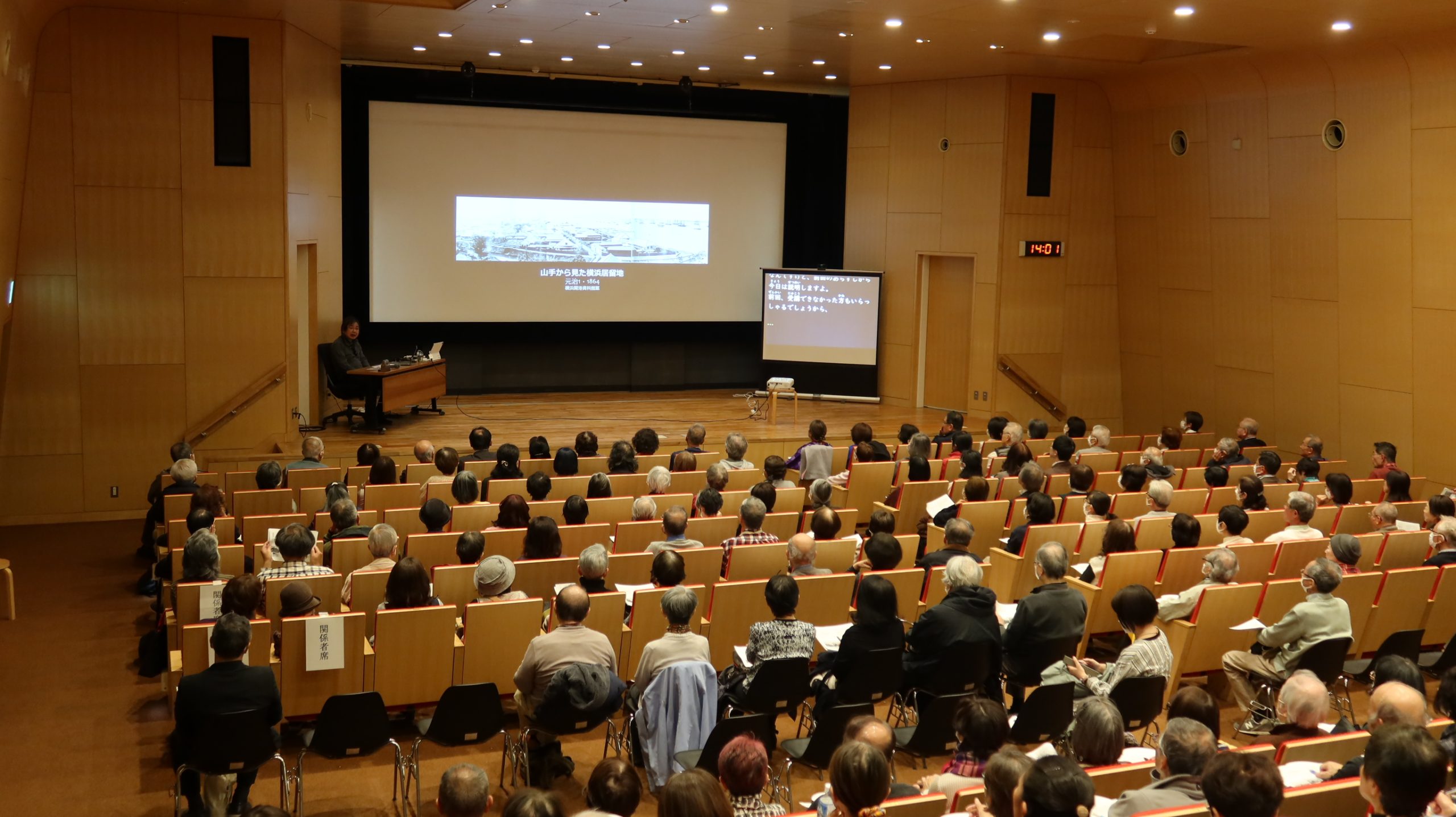
In addition, we will continue to develop a lecture program titled "Edohaku Culture" as an opportunity to share the results of research and studies accumulated by the Edo Tokyo Museum over many years and to respond to requests from visitors who want to learn more. In addition to holding lectures on the highlights of special exhibitions by the museum's popular curator, we also hold specialized lectures on Edo and Tokyo, as well as a series of lectures on "The First Time" that are easy for beginners to understand.
Creating a New Excitement by Making the Most of Our Accumulation
The Edo-Tokyo Museum will continue to provide programs that meet the needs of the times, while making use of the activities and rich know-how accumulated over the 30 years since its opening. We hope that the renovation will help people feel closer to the Edo-Tokyo Museum and have more exciting encounters, so that the museum will continue to be a place where they can learn and discover new things every time they visit.
Text: Mami Maeda