
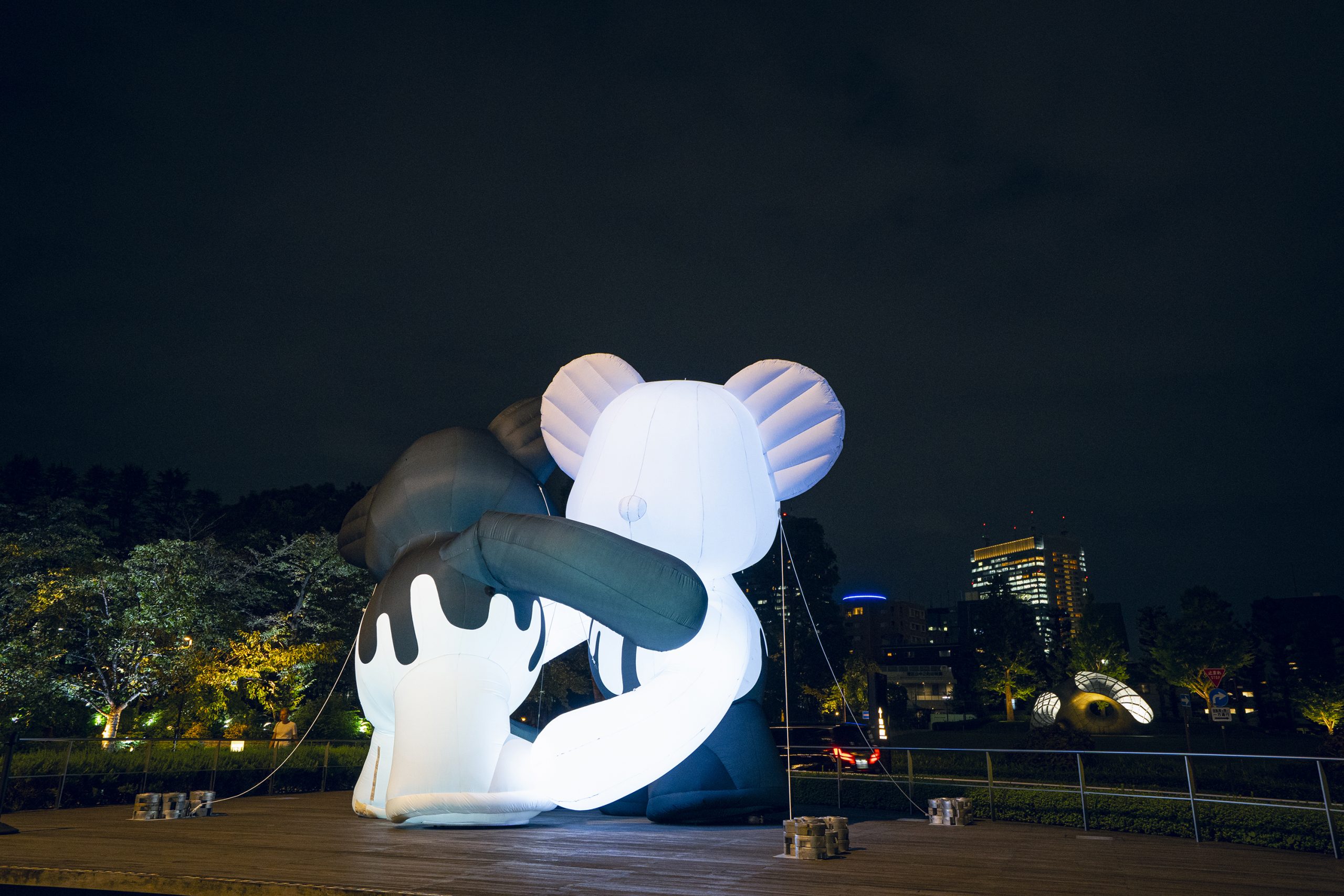
"Roppongi Art Night" was born in the town of Roppongi in 2009. Roppongi Hills opened in 2003, and the National Art Center and Tokyo Midtown opened in 2007. These events have been at the center of these dramatic changes in the landscape of the city, and they may be said to have helped foster and establish the image of Roppongi as an art town. As the name suggests, Roppongi Art Night is a place where you can enjoy art as the time changes throughout the day, from daytime to nighttime after sunset. The main feature of this event is that it is held on the premise of a tour and excursion in which art is displayed not only inside the facility but also throughout the town, including outdoor spaces. The atmosphere of art and the festive atmosphere of the festival can be felt throughout the town, and there are various ways to make it easy for art lovers, as well as people who are not usually interested in art, or who feel that it is difficult to go to an exhibition, to come in contact with art and enjoy it.
The 2025 Roppongi Art Night continued from the previous year with the theme of "City, Art and Mirai Festival," and was held from Friday, September 26 to 28th (Sun.). More than 50 diverse programs were held in the city of Roppongi, attracting many participants. In this report, we have invited Kazuhito Mito and Makiko Yamazato, executive directors of the Roppongi Art Night Executive Committee, who have long been involved in creating an environment that encourages diverse people to participate in the event. Focusing on the Inclusive Art Program, a central program that contributes to creating such an environment, we delve into the scope of inclusiveness, diversity, and creativity of Roppongi Art Night.
Eliminating Barriers to Art Festivals
Since its launch, Roppongi Art Night has focused on barriers to participation, which is one of the issues that art festivals around Japan face, and has been trying to eliminate them as much as possible.
"Barriers come in many forms. For example, there are physical and mental barriers such as disabilities, child-rearing, and nursing care that make it difficult to go to the venue, to go around the venue, or to leave the house. There are also linguistic barriers such as the lack of access to information due to language differences. Furthermore, there are barriers to interest, such as how to attract young people who are not particularly interested in art. We have assumed various barriers to knowing, touching, and experiencing art festivals, and while there are no absolute answers, we have tried a number of measures to address these issues based on the characteristics of urban art festivals." said Sannohe.
As for physical and mental barriers, the Mori Art Museum's public program provided inspiration for the program.
The Mori Art Museum has long focused on public programs designed to remove physical and mental barriers. A typical example of this is the "Sign Language Tour" and "Art by Hearing," which provide opportunities for people with hearing impairments to enjoy art.
"Roppongi Art Night" is an outdoor urban art festival, but we used the Mori Art Museum's approach as a reference to explore a form of inclusive appreciation that anyone can participate in.
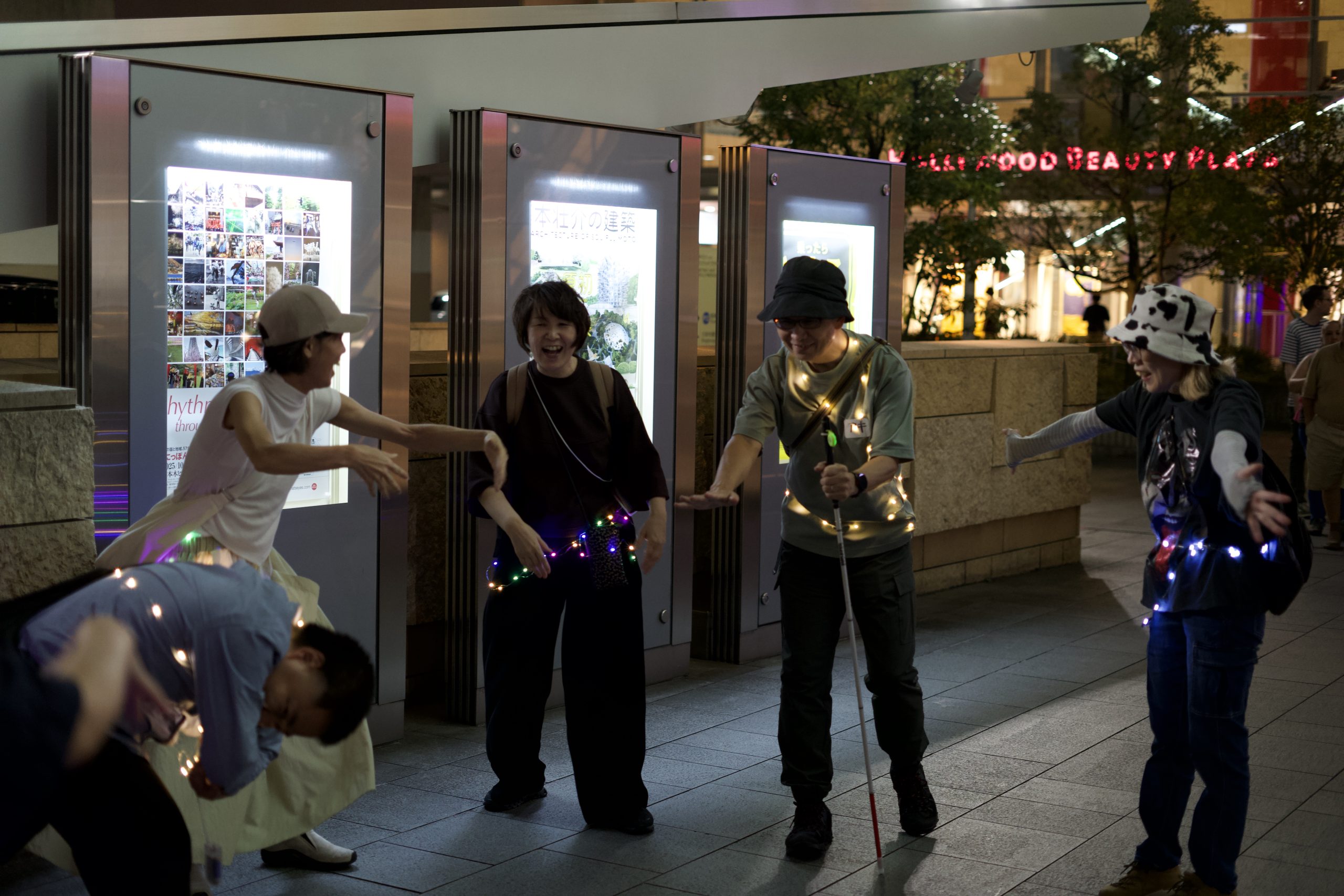
"Inclusive Art Program," an idea for enjoying art festivals together
In 2025, the "Inclusive Art Program" consisted of 2 parts: an "appreciation tour" and an "online appreciation meeting" (planning assistance: Able Art Japan, NPO).
"Appreciation Tours" have been held in different forms since 2018.
"Around 2018, the main theme was the development of a barrier-free route for the art program of the art festival spread throughout Roppongi. Considering the characteristics of the terrain and traffic conditions unique to Roppongi, such as narrow streets, sloping back alleys, and busy streets, we considered safe routes and alternative routes in case of rain." said Sannohe.
"The knowledge gained through detailed research and verification at that time, and the viewing route developed, have been handed down as the assets of "Roppongi Art Night" to this day." Yamazato said.
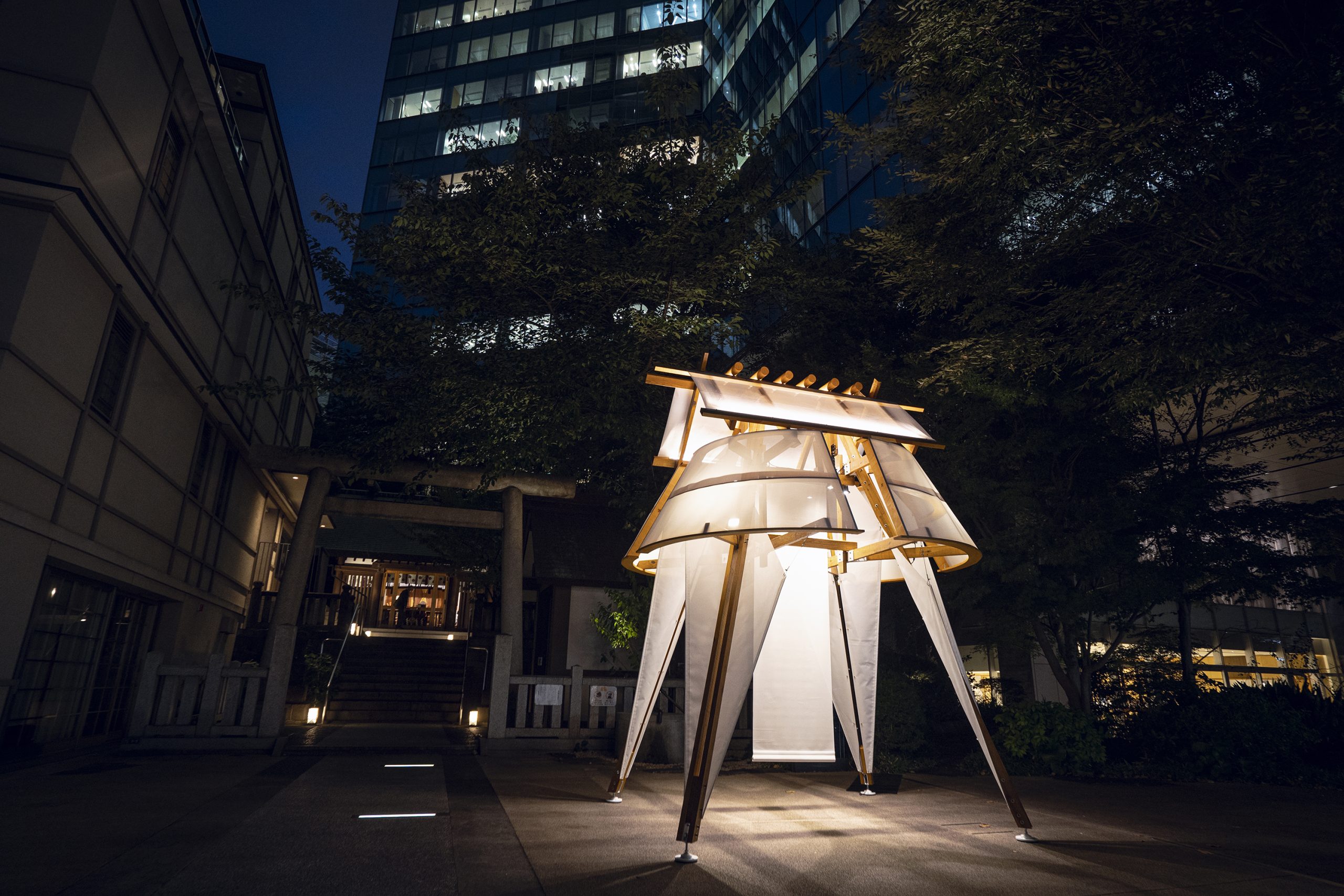
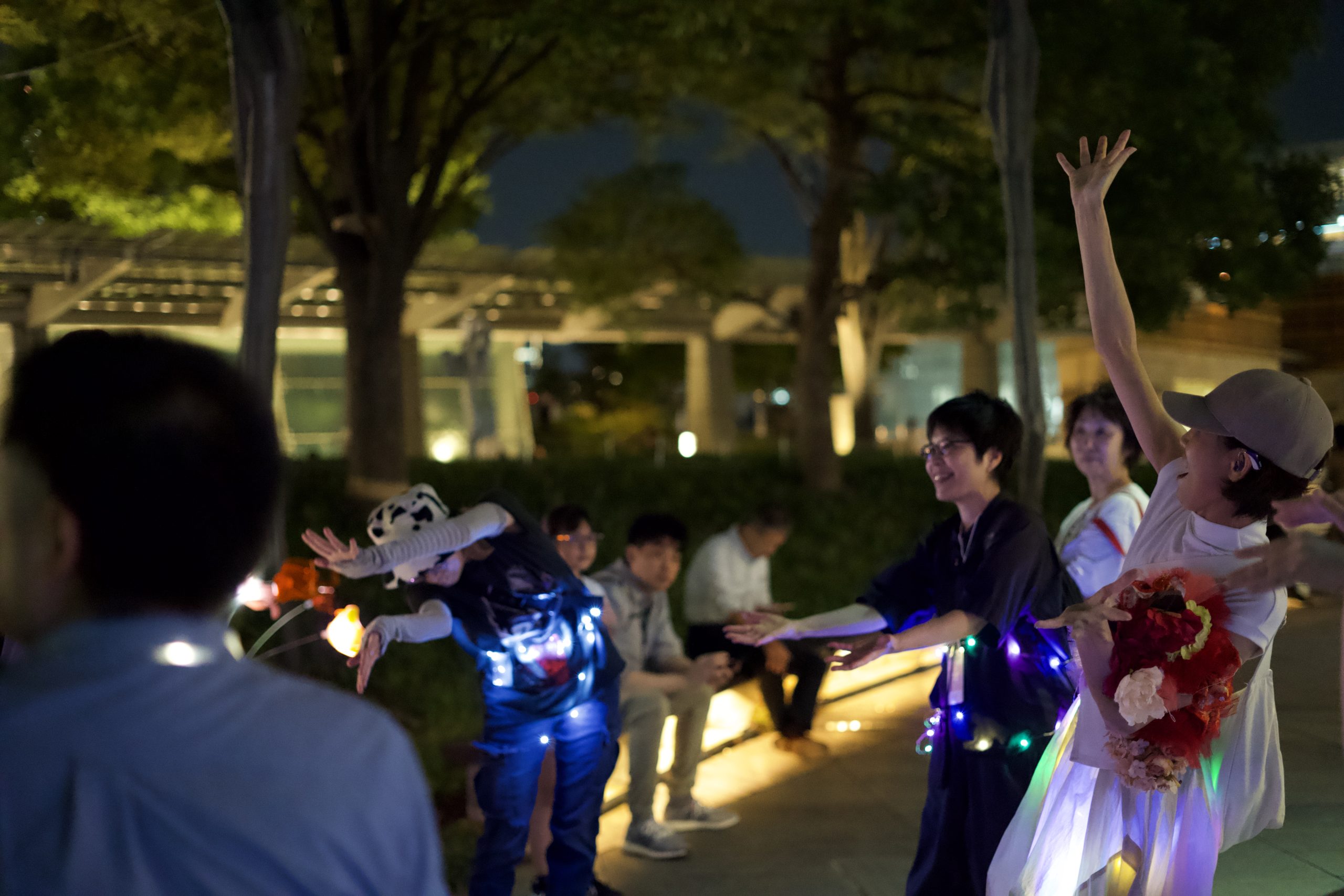
In recent years, based on the developed route, various attempts have been made every year with the aim of considering a way of viewing that everyone can enjoy together regardless of whether they have disabilities or other physical or mental circumstances. In 2025, 3 kinds of tours were conducted under the title of "Appreciation Tour by Opening with Body and Language". The main focus of the program was to open up a way of enjoying the work through a dialogue with the facilitator that transcends language and makes use of physical differences.
In addition, the "Online Appreciation Event," which started due to the COVID-19 pandemic, has been popular as an easy access point to experience the art festival from home for people who are too far away to travel to the venue, who have too many hurdles to get out of their homes, or who are interested in the festival but are reluctant to go out without knowing what it is like.
"For example, in an online viewing session led by a facilitator with visual impairments, participants viewed the works and conveyed their impressions of the works to the facilitator. The facilitator then responded with wide-ranging questions, thereby deepening the mutual viewing experience. The interesting point is that by seeing the same thing with everyone and expressing their different feelings, discoveries and awareness that would not have been possible by one person can be shared and a rich place is created." Yamazato said.
In 2025, under the name "It's my aunt! Enjoy the Roppongi Art Night from Futon no Kuni (Country of Futons)" participants were able to share a peaceful time with a small group, lounging on futons and sofas in a relaxed state, chatting and talking about their works, and watching live broadcasts of the work.
A unique viewing experience created by fostering an environment where people feel safe from the perspective of the individual concerned and sharing the perspective of the individual concerned
The foundation of the Roppongi Art Night's "Inclusive Art Program" is program development based on a thorough "stakeholder perspective."
"Wheelchair users participated in the development of the tour route from the beginning, and frankly shared with the development team what they felt were issues and what would contribute to making the tour easier." said Sannohe.
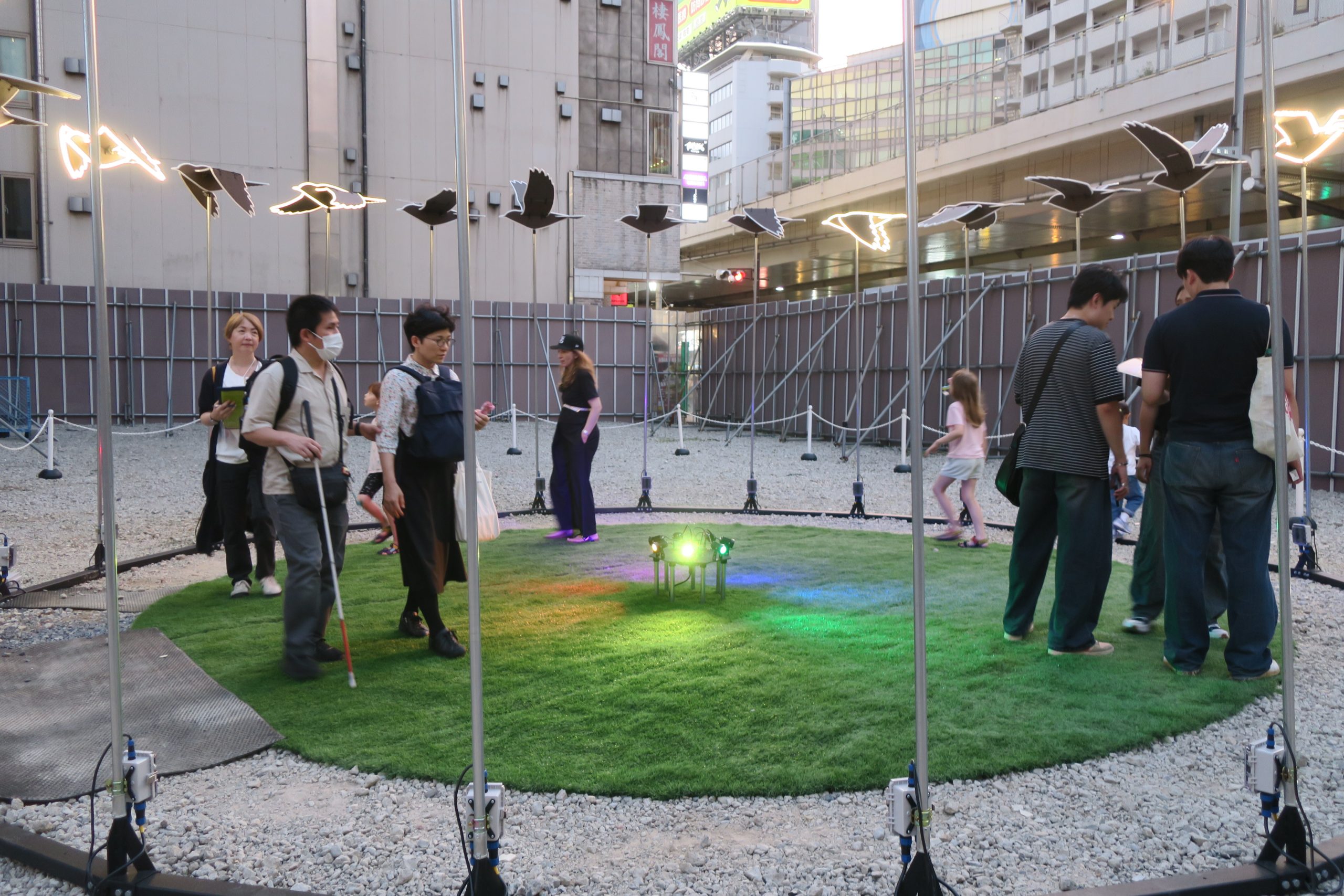
"Every year, facilitators with various disabilities participate in the tours, and from each perspective, based on the characteristics of the works, we presume issues and points of concern during actual tours, such as the possibility of loud sound or strong light, and conduct simulations so that participants with similar senses can enjoy the viewing experience without feeling any barriers." Yamazato said.

In addition to resolving such concerns in advance, the facilitators propose ideas on how to enjoy the festival together, making use of each individual's individuality, and the "viewing tour" evolves into a one-of-a-kind art festival experience.
"For example, in the "Viewing Hour through Visual Communication," which is led by a facilitator who mainly uses sign language, the theme is to express what you feel by looking at the works through gestures, facial expressions, and physical movements. In the "Viewing Hour from Different Perspectives," which is led by a wheelchair user, the question is asked whether the works look different depending on the height of the viewpoint. At the "online viewing meeting" held by two facilitators with mental disabilities, there was an attempt to share the feelings and fantasies that the participants had while viewing the works, which was very popular." Yamazato said.
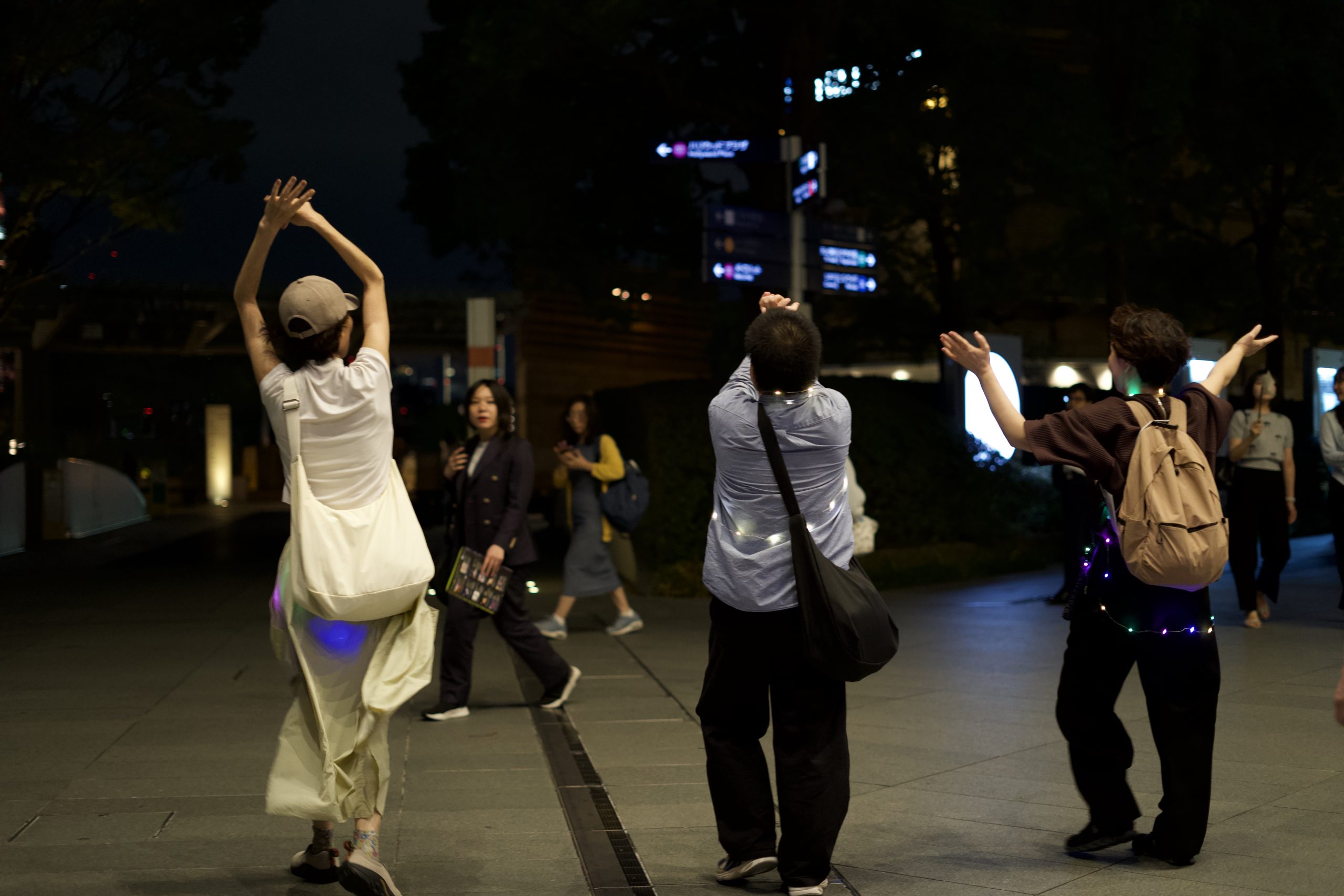
The interesting thing about the "Inclusive Art Program" is that the world you see changes depending on what kind of facilitator you work with and what kind of participants you work with. The official Roppongi Art Night website has a detailed introduction of the facilitators, giving you a good idea of what kind of experience you would have if you were to attend.
Because there is no right answer, we involve various people,
take in various points of view, keep thinking, keep trying.
This year marks the eighth year since the Inclusive Arts Program was launched. What we value most is the feedback we receive from participants and facilitators, and we have repeatedly updated the program by squarely facing up to what needs to be addressed next and what needs to be improved.
As we try new things every year, the 2025 event was the first to offer 1: 1 fully custom-made viewing tours and rental of sensory bags.
The fully custom-made one-on-one viewing tour, "The First Roppongi Art Night Viewing Hour with Peace of Mind," is a relaxed one-on-one viewing tour with Museum Access Partner (*), and was realized for two visually impaired participants and one developmentally disabled participant.
"First of all, we used online tools to meet the participants in advance, and asked them to plan their route by asking them what works they would like to see. We also asked them to communicate with the facilitators through casual dialogue. We made special efforts in the preparation stage so that participants could participate with a sense of security before actually visiting the venue. As a result, we received favorable comments from the participants that they were able to enjoy the art festival calmly and at ease." Yamazato said.
(*) Museum Access Partner
Supporters of the "Everyone's Museum" project run by the NPO Able Art Japan. The partners, who work with or without disabilities, are not art experts, but support the museum experience through dialogue, taking the same perspective as the participants, and valuing "fun together."
The Sensory Bag was offered as a rental service for those who are concerned about loud noises and flashing lights during the Roppongi Art Night event, including bags containing earmuffs, sunglasses and sensory toys.
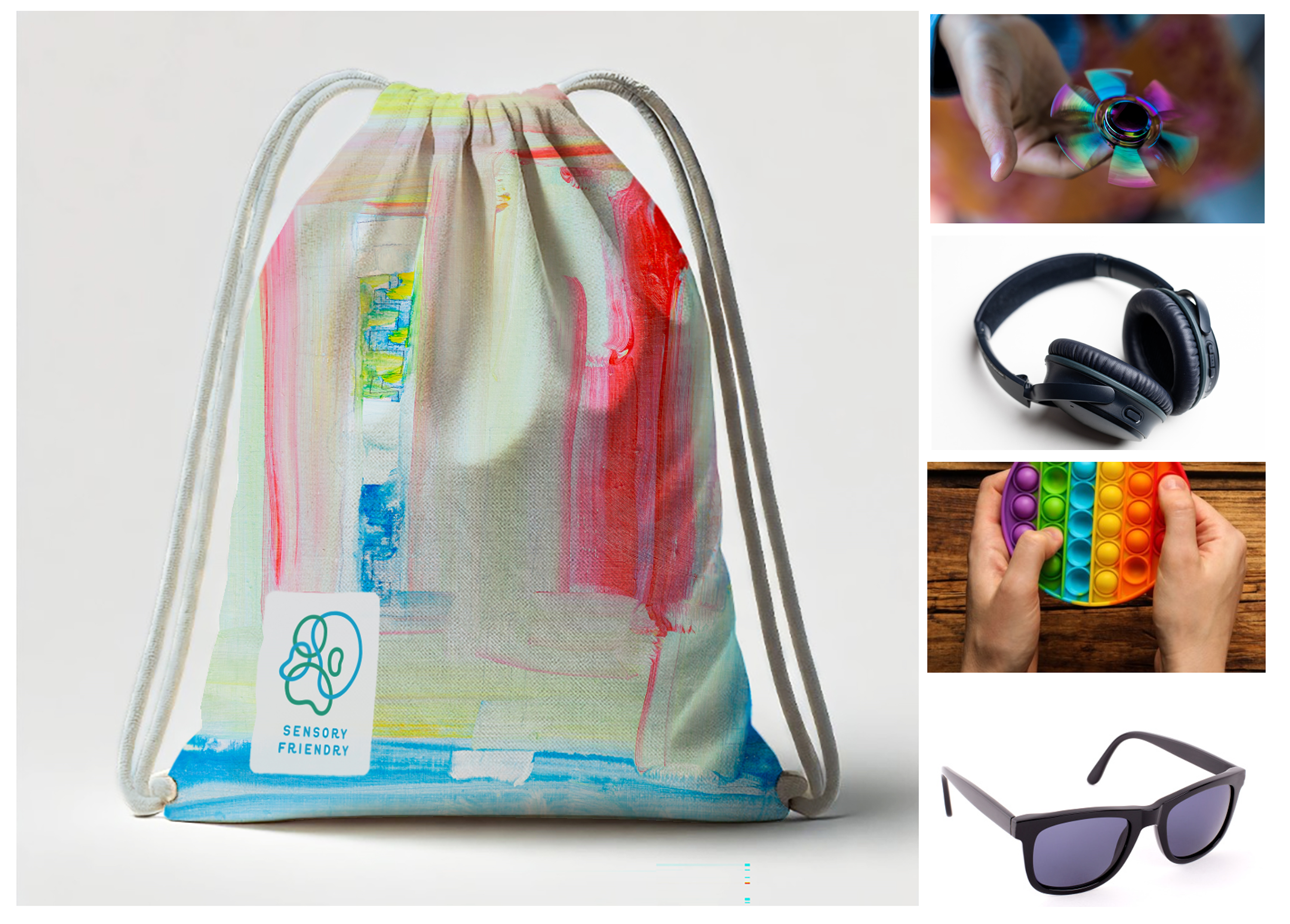
"Although the participants did not actually use the contents of the bag, they commented favorably that carrying the bag as a talisman during the tour made them feel safe. Roppongi Hills General Information also accepted rental requests on the same day, and received several requests, so we were able to meet a certain level of potential needs." Yamazato said.
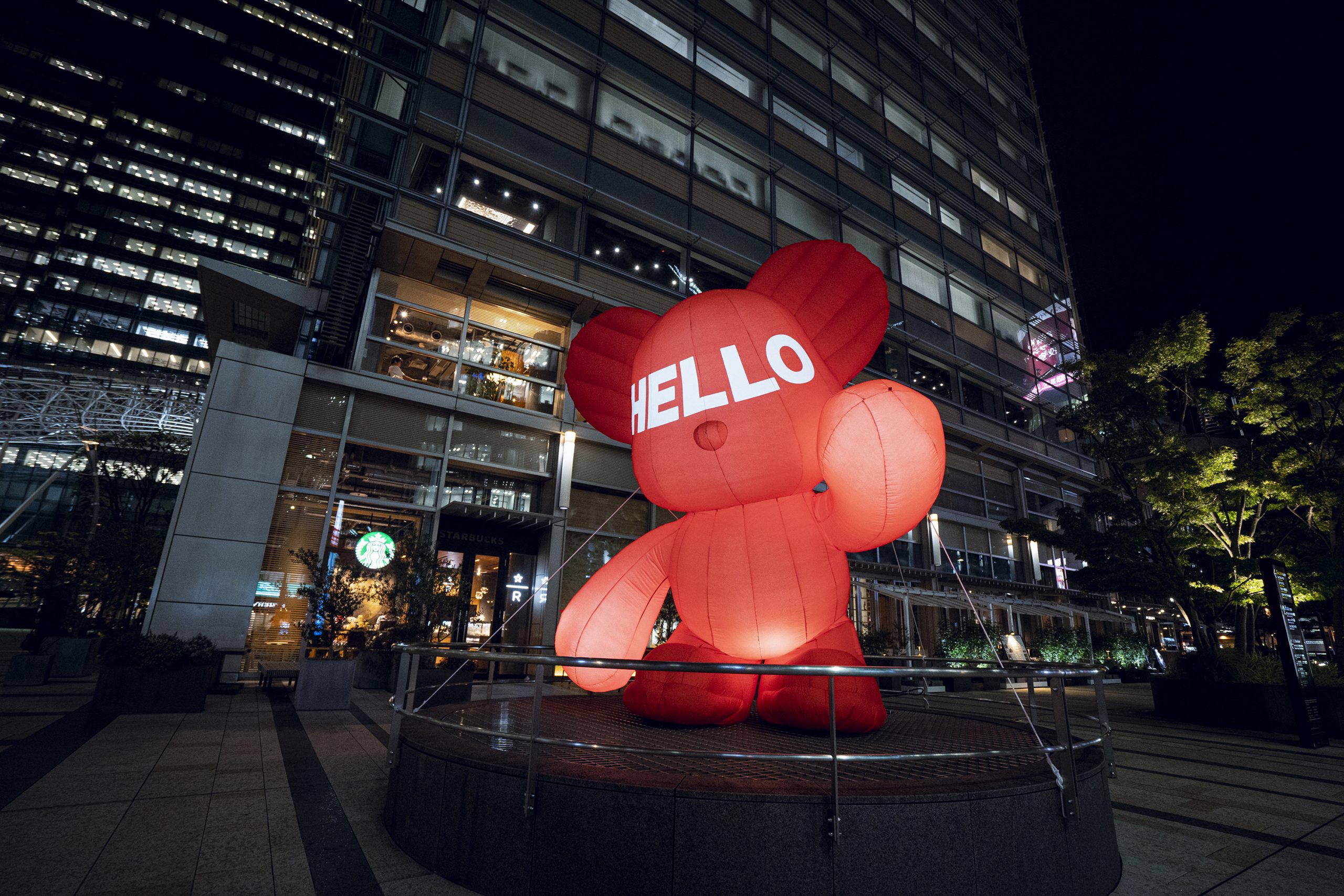
To keep exploring is to keep evolving. Such never-ending, variable and aggressive activities themselves are the fundamental idea of inclusion that Roppongi Art Night has, and embody the depth and richness of embracing diversity and the unexpected creativity that arises from it. In order to create an environment where people who want to participate can participate without barriers, there is no right answer, so it is important to continue thinking and trying based on actual experiences from many diverse perspectives, and to accumulate the things that each person notices and discovers in the process, which will form an open viewing experience.
Text: Mami Maeda
"Roppongi Art Night 2025"
- Schedule: Friday, September 26, 2025 to 28th (Sun)
26th (Fri) 18:30~22:00, 27th (Sat) 13:00~22:00, 28th (Sun) 13:00~20:00
* Exhibition time varies depending on the program.
* Some works will be exhibited for a long time [until Sunday, October 5] - Venues: Roppongi Hills, Mori Art Museum, Tokyo Midtown, Suntory Museum of Art, 21_21 DESIGN SIGHT, The National Art Center, Roppongi Shopping District, and other cooperative facilities and public spaces in the Roppongi area
- Organized by: Tokyo Metropolitan Government, Arts Council Arts Council Tokyo (Tokyo Metropolitan Foundation for History and Culture), Minato City, Roppongi Art Night Executive Committee [The National Art Center, Tokyo, Suntory Museum of Art, Tokyo Midtown, 21_21 DESIGN SIGHT, Mori Art Museum, Mori Building, Roppongi Shopping District Promotion Association (in alphabetical order)]