
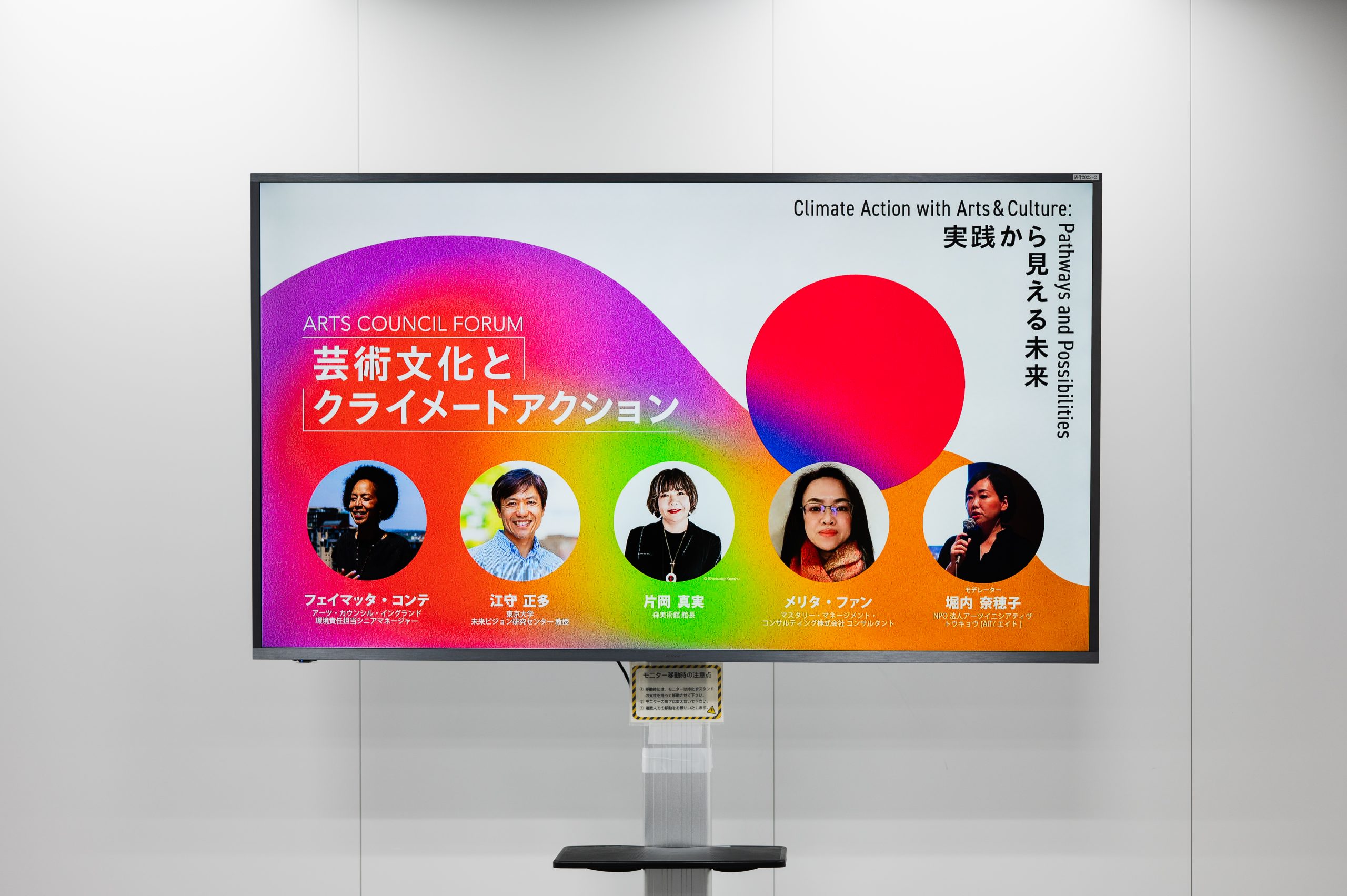
The Arts Council Forum, an annual event that has been well-received, addresses contemporary and important issues in arts and culture, inviting experts from various fields to create a forum for discussion on the ideal form of arts and culture policies for an international city. In 2025, the theme was "Arts and Culture and Climate Action," and the forum was held on January 30th (Friday) at Arts Council Tokyo. Against the backdrop of the worsening climate crisis, the forum examined how arts and culture institutions can contribute to building a sustainable society as part of their social mission, and this report details the multifaceted discussions that took place regarding their roles, systems, and forms of support.
Part 1: Presentation
Support for sustainable creation through solidarity
Faymatta Conte (Senior Manager, Environmental Responsibility, Arts Council England)
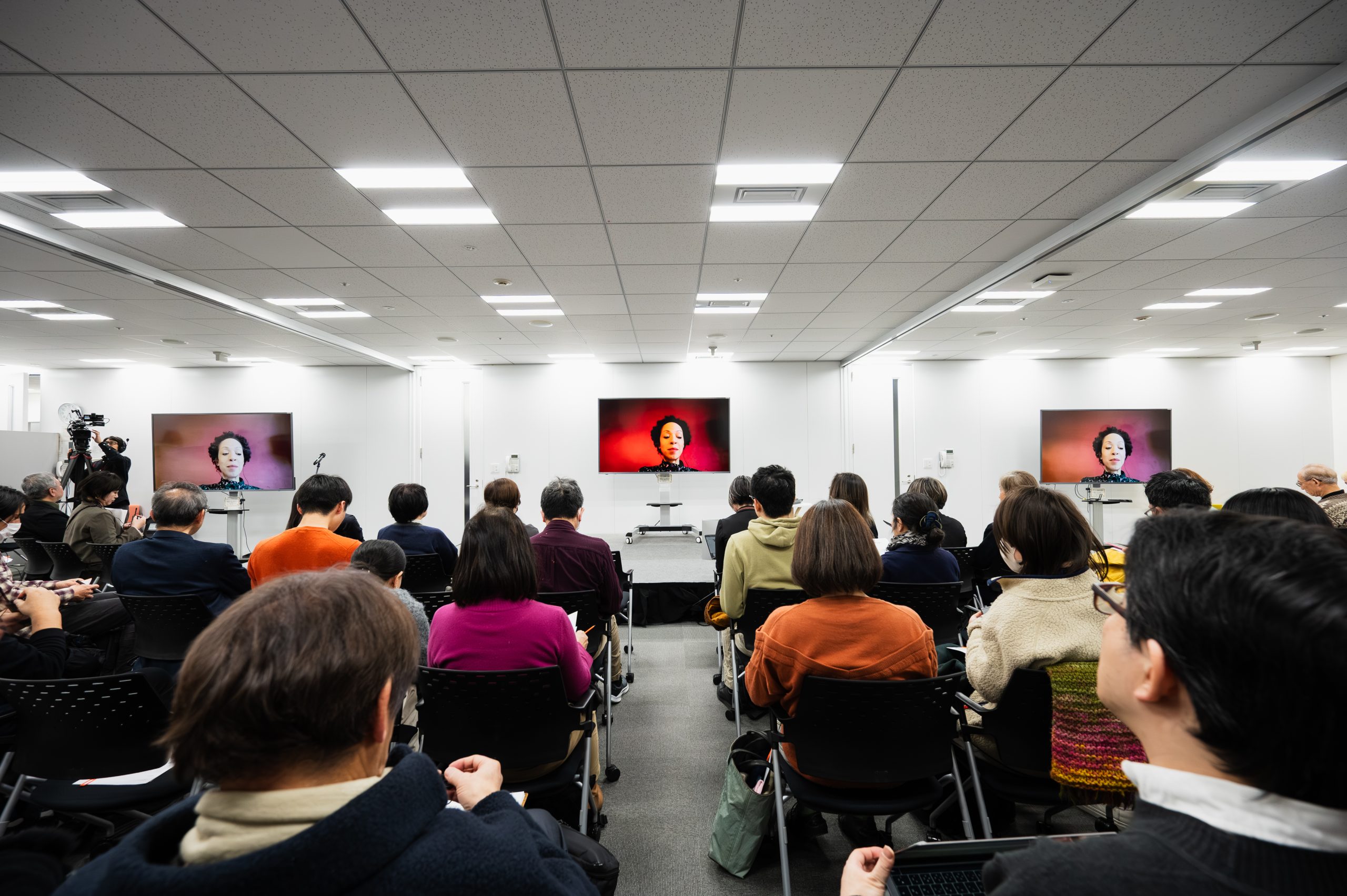
The first presenter was Faymatta Conte, senior manager of environmental responsibility at Arts Council England. He introduced the UK cultural sector, particularly in England, and how he sees the future, together with the institutional framework.
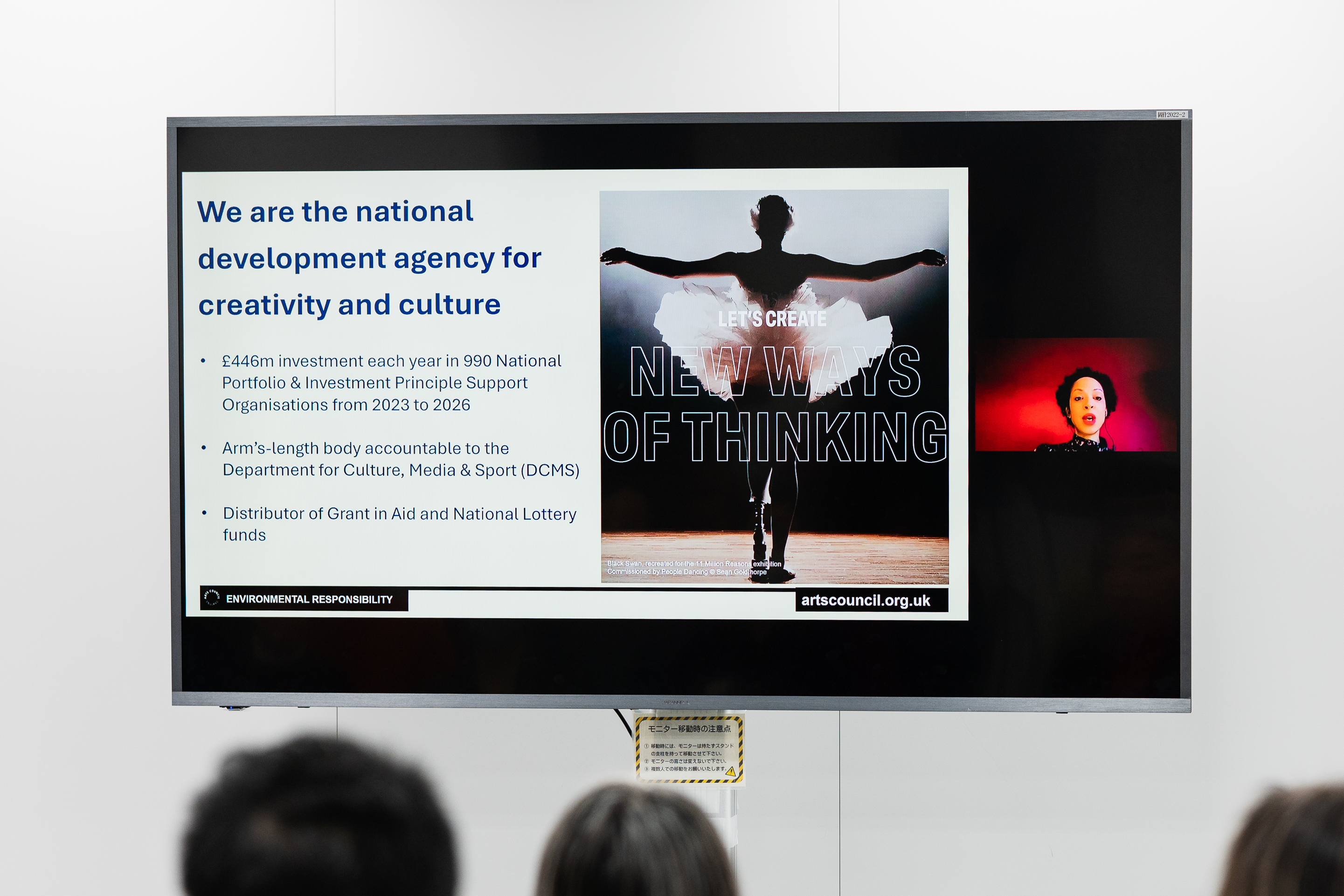
Founded in 1946 as Arts Council Britain, Arts Council England has supported the UK's cultural sector, changing its form according to the times. As a national development agency for the promotion of creativity and culture, Arts Council England not only provides financial support to artists, but also supports a wide range of artistic activities in terms of development and development.
In its 10 strategy "Great Art and Culture for Everyone" published in 2010, Arts Council England placed the environmental sustainability of cultural institutions at the forefront of its policy, stating that arts and culture organisations, museums and libraries must be resilient and environmentally sustainable. In response, in 2012, in cooperation with the NPO Julie's Bicycle, we put into practice the "Environmental Responsibility Program". Arts and cultural organizations that receive grants are required to draw up environmental plans and report annual environmental data, including carbon emissions.
"After more than 10 years of experience with environmental responsibility programmes, we now have a vision of 'Let's Create' with the aim of making England a place where our individual creativity is valued, thrived and connected to high quality cultural experiences. We have established four principles (Ambition, quality dynamism, environmental responsibility and inclusiveness) as indicators for evaluating recipients of funds, and encourage cultural organizations to incorporate environmental responsibility into their operations and programs."
The key, says Conte, is to put environmental responsibility at the heart of our efforts. While the carbon footprint of the cultural sector as a whole is not very large, given the impact of the arts, cultural sector leaders can influence, educate, and advocate society by communicating and demonstrating the importance of environmental responsibility.
"Our role is to support and empower arts organizations, museums, museums, libraries, and practitioners to instill environmental responsibility throughout their operations and activities. In partnership with Julie's Bicycle, we are developing environmental literacy, skills, confidence, and leadership skills to help people in the cultural sector change. Expectations for a more creative cultural sector are growing and will become a source of inspiration for action locally, nationally and internationally to bring about social change."
According to Ms. Conte, the data reported by 71% of the organizations in the Environmental Responsibility Program show that they are actively cooperating with other cultural institutions to share solutions to environmental problems, raising expectations that information sharing and collaboration beyond the framework of organizations will increase the impact. By sharing case studies and building cultural sector networks across organizations, Arts Council England supports the creation of a mechanism to connect people and initiatives, to work together and spread positive impact on a major environmental challenge.
"In order to fulfill our environmental responsibilities, it is important to connect and collaborate. We will tackle problems together by building relationships within the community. It starts with local community relationships and then involves authorities and local governments. We're going to work together, share knowledge, and do practical initiatives that lead to real action."
Current Situation and Prospects of Climate Change
Masata Emori (Professor, Center for Future Vision, The University of Tokyo)
Next on the stage was Professor Masata Emori of the Future Vision Research Center at the University of Tokyo. As experts on climate change, they shared their knowledge of the global environmental changes that will occur now and in the near future and their impact on society.
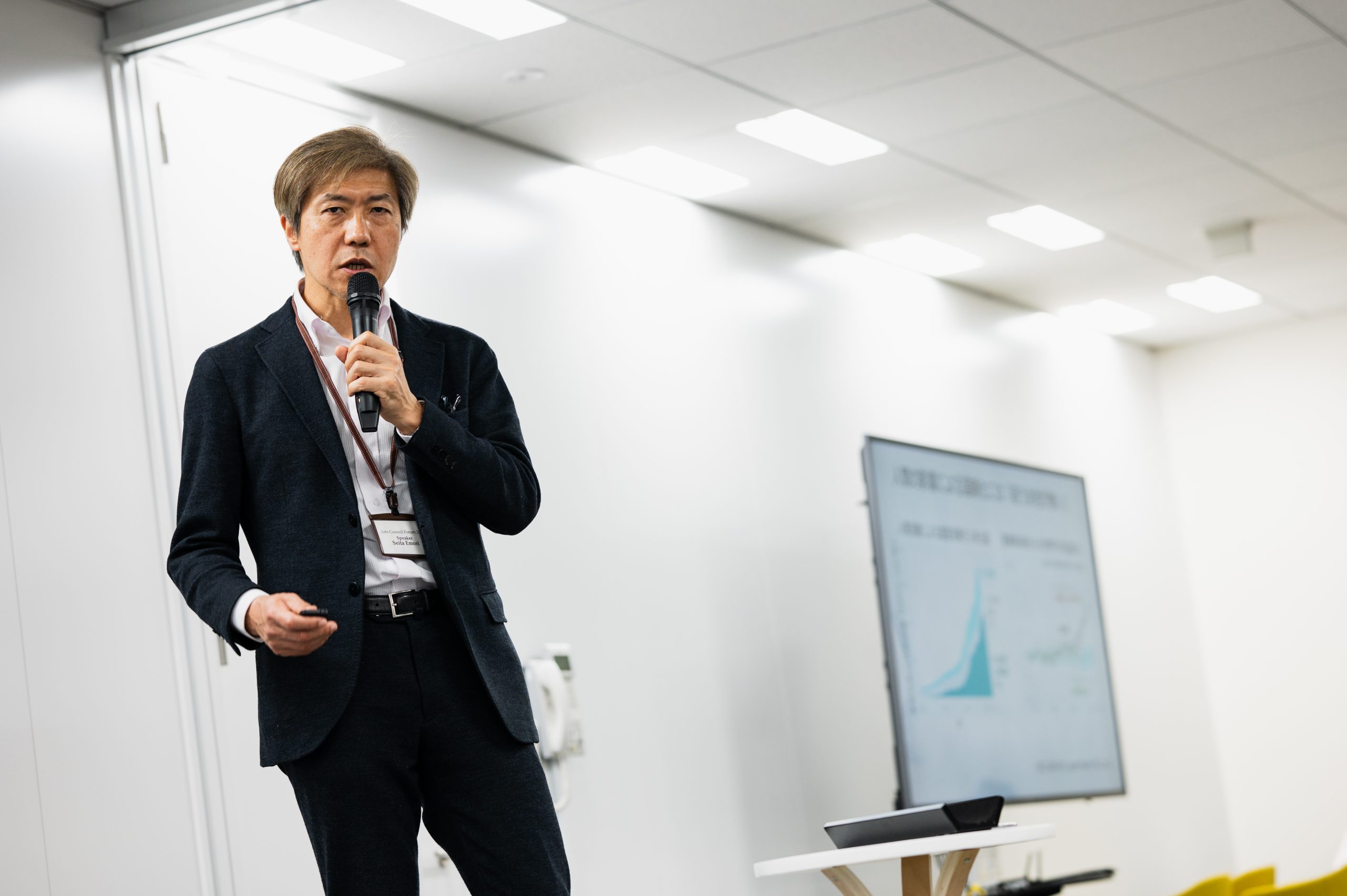
The global average temperature has continued to rise over a long period from around 1960 to the present, and in 2024, it briefly exceeded 1.5°C compared to the pre-industrial level. Even in Japan, the average temperature has been rising to record highs for the past three years. According to Emori, greenhouse gas emissions from human activities are the main cause of such warming, and the Intergovernmental Panel on Climate Change (IPCC) concluded that there is no doubt about it.
"When comparing the case with human factors and the case with only natural factors, the numerical value of the simulation considering human factors almost matches the actual situation. If we eliminate the factors of human activities, the temperature will not rise. A comparison of simulations with and without climate change measures shows that, while fluctuating and fluctuating, the global average could rise by about 5°C in 2100 if nothing is done. As a long-term target, it is important to aim for a temperature well below 2°C, preferably 1.5°C."
The major impacts of global warming include rising sea levels (causing greater damage to coastal areas), intensifying heavy rains and typhoons (causing greater flood damage), health damage from heat waves (such as heat stroke), food and water shortages (particularly in arid areas, resulting from further evaporation from the ground), loss of ecosystems (such as coral bleaching and death), increased risk of infectious diseases (due to the expansion of habitats for vectors such as mosquitoes and ticks), and increased risk of large-scale forest fires.
A further problem, Emori stresses, is the "unfairness" that countries with low emissions and future generations will be most affected by global warming. In other words, people who are not involved in the factors are more likely to have a large negative impact.
"In fact, damage is beginning to occur around the world, such as rising sea levels forcing people to migrate and droughts causing water and food shortages. The countries and regions suffering from such damage are often poor and produce almost no greenhouse gas emissions, but they are forced to bear the impact that disrupts their lives. This is unreasonable. In addition to these geographical inequities, temporal inequities are also a characteristic of environmental problems. People born later are more severely affected by the greenhouse gases produced by earlier generations. It's an intergenerational violation of human rights."
The current pace of reduction in CO2 emissions falls short of the goals of the Paris Agreement, and the choices and actions taken by 2030 will have a major impact on the environment for future generations.
"Recently, solar and wind power have become the main energy sources in developing countries. While it is ideal for the world to change in a direction that becomes better as time passes, we must recognize that the choices we make in 2030 to 2040 will have a major impact on the world in which the next generation and the next generation will live, and we must fully understand that we are responsible for this."
Museum and Climate Action
Mami Kataoka (Director, Mori Art Museum)
Mami Kataoka, director of the Mori Art Museum, introduced the relationship between cultural institutions and climate change from the viewpoint of museums.
First of all, a characteristic phenomenon in recent years was the protest of museums by climate activists. Throwing tomato soup at Van Gogh's works is said to be aimed at raising awareness of climate issues by turning the public space of the museum into a place for political debate. In addition to the fact that it is easy to compare the responses of people concerned about the protection of the paintings or the protection of the people, and that the message can be conveyed to far more people than the people who are there, it is effective as a place for protest, but it is discussed as a big problem for the museum.
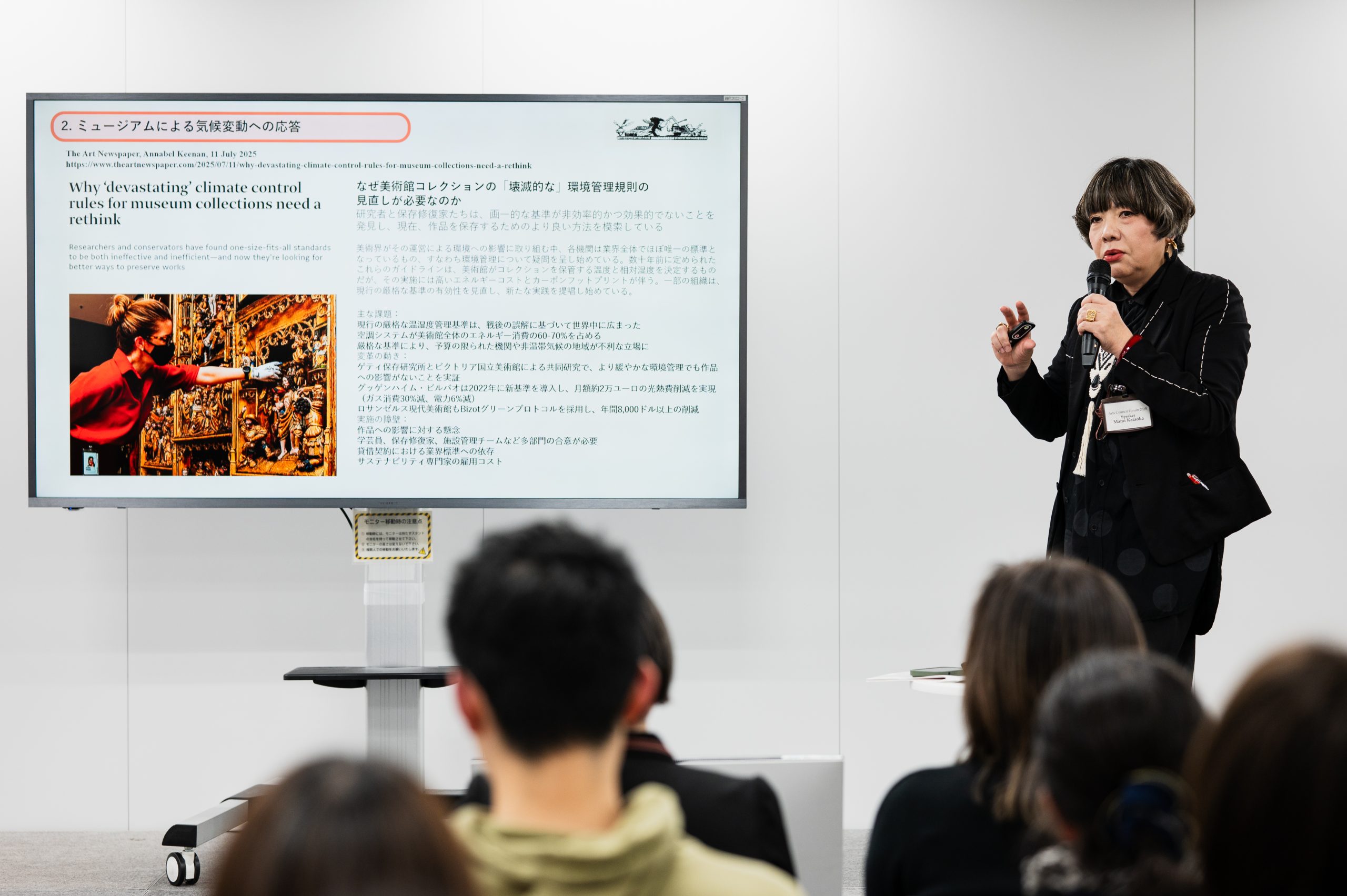
In addition, the world's museums are rapidly moving toward sustainability. For example, the Tate Museum in the UK declared a climate emergency in 2019 and expressed the need for the cultural sector to play a unique role in making a difference to the global environment, leading to the removal of its fossil fuel sponsorship and a significant reduction in carbon emissions (50% by 2023 compared to 2008).
In 2022, the International Council of Museums (ICOM) updated its definition of a museum to include inclusion, diversity, and sustainability.
"Around the world, the social role of museums began to be emphasized in 2018 and 2019, and the expected role of museums is clearly expanding. We are now in an age when famous museums around the world, such as the Van Gogh Museum, the Tate, and M+, are announcing their own environmental policies, and the Mori Art Museum is also considering publishing its own policy."
According to Kataoka, the BIZOT Group, an international non-profit organization in which the directors of major museums around the world participate, has been focusing on the relationship between museum activities and environmental impact as one of its themes in recent years. In 2014, the company developed guidelines called "The Bizot Green Protocol.". we presented a direction for reducing the environmental impact of museum activities. In 2023, the contents were updated and reconfirmed as a common guideline in the international art museum world.
"At BIZOT, it is discussed that environmental considerations are not limited to mere operational improvements, but may also affect international cooperation between museums. Some museum directors have expressed the view that they will not lend their works to museums that do not give sufficient consideration to the environment, and this has important implications for museums in Japan. This is because many exhibitions in Japan are held by borrowing works from overseas museums, and the Japanese art museum industry needs to respond to international discussions on environmental standards."
The Bizo Green Protocol is unique in that it provides practical guidelines for reducing the environmental impact of museum operations by revising traditional museum management practices. At the center of the debate is the revision of temperature and humidity management standards for preserving artworks. Traditionally, many museums have implemented very strict temperature and humidity controls to protect their works. In Japan, in particular, they are often managed within a narrow range of 22°C temperature and around 55% humidity, because preservation standards for national treasure cultural properties have been standardized. However, the energy consumption of air conditioning equipment is extremely high in order to maintain this strict environment, which is a major factor in the environmental impact of museums.
The Vizo Green Protocol suggests a wider range of acceptable environmental conditions based on scientific research, and museums that have adopted the protocol have reported reductions in energy bills and energy consumption. While it is necessary to verify the figures in accordance with Japan's climate, it is a meaningful action to review our past practices so that we do not end up using more energy than necessary. "
In addition, major factors contributing to the environmental impact of exhibition operations included the transportation of works (especially air transportation), exhibition setup materials, facility energy such as air conditioning, movement of artists and staff, and movement of visitors.
"As there is a limit to what a single museum can do, awareness will be raised throughout the cultural sector. It is important to enhance discussions and promote cooperation and rule-making. In Japan, it is also an idea for public institutions to develop policy guidelines and guidelines for environmental measures in the cultural sector, as the Arts Council in the United Kingdom does. I think it would be good if we could work together through crossskewers."
Net Zero Policy Initiatives in Taiwan Culture and Arts
Melita Huang (Consultant, Mastery Management Consulting Co., Ltd.)
The last speaker in Part 1 is Ms. Melita Huang, a consultant from Taiwan. Climate policies and practices in the cultural sector in Taiwan were introduced.
Taiwan announced its "Net Zero Roadmap Taiwan 2050 (Roadmap toward Net Zero by 2050)" in 2021, and passed it into law in 2023. We have also set a medium-term target by 2030 of reducing greenhouse gas emissions by approximately 28% from the 2005 level. This goal is supported by 12 key government strategies, and the culture sector is part of the "Green Lifestyle" strategy.
"Looking at the breakdown of CO2 emissions in Taiwan, the residential and commercial sectors, including cultural facilities, account for approximately 10% of the total. Although this proportion is relatively small, Taiwan's cultural policy emphasizes its role in changing social values and behavior. As a result, government agencies, including the Ministry of Culture, are required to reduce emissions by 35% by 2030, and 72 reduction projects are underway, focusing on buildings and energy efficiency."
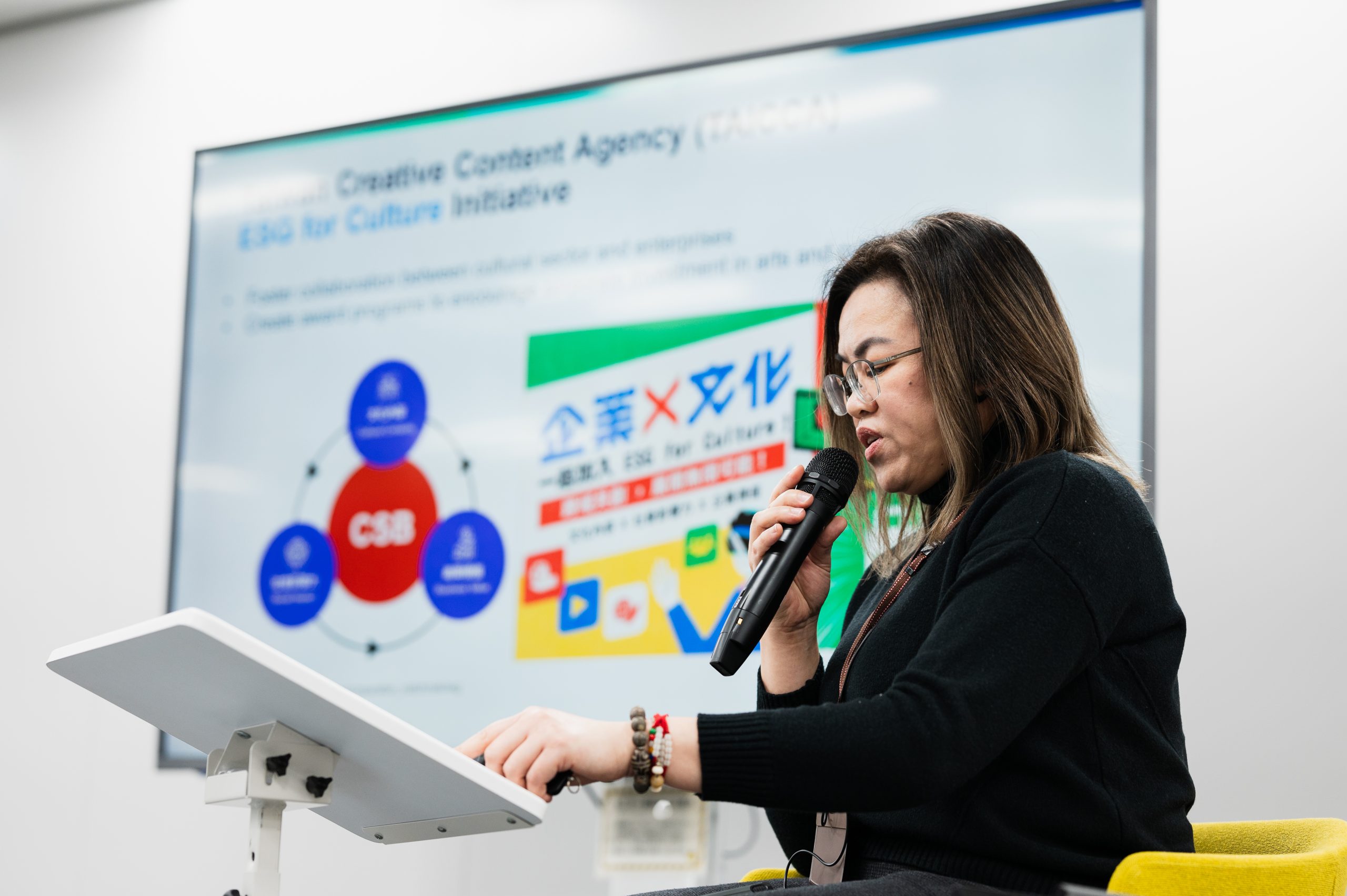
Taiwan's Ministry of Culture is promoting the transition to net zero in the cultural sector in a four-step process: research, engagement, demonstration, and promotion.
"Research and study" aims to identify the issues and needs of the cultural sector by investigating cultural policies and environmental measures in countries around the world. "Engagement" shares policy goals with cultural organizations and people involved in the arts and promotes policy understanding. In the field of "demonstration and experiment," they are supporting pilot projects such as the creation of greenhouse gas inventories and energy audits. In the field of "dissemination and promotion," they are organizing practical examples into guidebooks and tools and spreading them to the whole field of culture and art. To date, four sectoral guidelines have been published to support net-zero practices in the cultural sector: one for theatres, one for museums, one for cinemas, and one for film and television productions. These guidelines provide concrete ways in which cultural institutions can implement energy conservation measures and reduce carbon emissions.
"In 2024, Taiwan's Ministry of Culture launched the Cultural Industry Net Zero Conversion Subsidy Program, which provided approximately NT $11 million for 14 projects. In addition to public funds, the ESG for Culture Impact Award program has been established as a mechanism to promote corporate investment and to induce ESG investment in the cultural sector."
As practical examples from the cultural sector, Fang also introduced the efforts of Taiwan's leading performing arts facilities, the National Academies of Taiwan (NTCH), and examples of sustainable stage production.
NTCH is the first theater in Taiwan to systematically introduce sustainability into its organizational management. It has participated in the "STAGES(Sustainable Theatre Alliance for a Green Environmental Shift)" project by a network of theaters in Europe and is promoting environmental measures in cooperation with 13 theaters and research institutes. They measure greenhouse gas emissions, track annual performance, develop six sustainability visions, and even incorporate environmental considerations into theater productions.
On the other hand, "Sweet Tears," Taiwan's first sustainable puppet show produced by the Taiwanese theater company PUPPET & ITS DOUBLE THEATER, was introduced as an example of achieving a level very close to the intermediate standards set out in the "Theatre Green Book," an international environmental standard for performing arts. They have established a system for reusing stage materials, with 59% of the stage materials being recycled and 86% being reusable materials, and they are sharing their know-how for sustainable stage production in the form of a guidebook.
"Just like the system for reusing stage materials implemented in 'Sweet Tears,' changes are also occurring in the supply chains that support arts production in Taiwan. For example, Ridge Studio Production & Design incorporates environmental considerations from the design stage of stages and exhibitions, promoting circular stage design, and Bling Bling Costume Sustainability Space promotes the circular use of stage costumes and works to enhance the sustainability of costume design. These initiatives are forming the foundation for environmentally conscious practices throughout the cultural industry."
Hwang also pointed out that human resource development is one of the challenges in achieving net zero in the cultural sector. In Taiwan, demand for "green collar workers" specializing in the environmental field is growing rapidly. So the government's environment department, offering a 48 hour training program in partnership with 32 universities. In the art field, Taipei University of the Arts (TNUA) plays a central role in holding sustainable art forums, education based on the "Theatre Green Book," and introducing environmental standards for student works. As an example of community-based activities, the New Taipei City Cultural Foundation has launched a human resource development program called "Move to Zero" to provide sustainable management training for cultural facility operators and staff of arts organizations. More than 560 people have participated in the training so far.
"While progress has been made in promoting net zero in the cultural sector in Taiwan, several challenges remain. The transition to sustainability cannot be achieved in the short term, but requires long-term commitment and international cooperation. In Asia, actors from Japan, South Korea, Hong Kong, Singapore, and Taiwan are beginning to form networks through the Theatre Green Book, and climate action in the cultural field is expanding into regional partnerships. Sustainability is a marathon, not a sprint. If you want to go fast, go alone. But if we want to go far, we have to go together. It's not about who starts first, but how long you can keep going. We are not alone. Let's work together."
Part 2 Panel Discussion
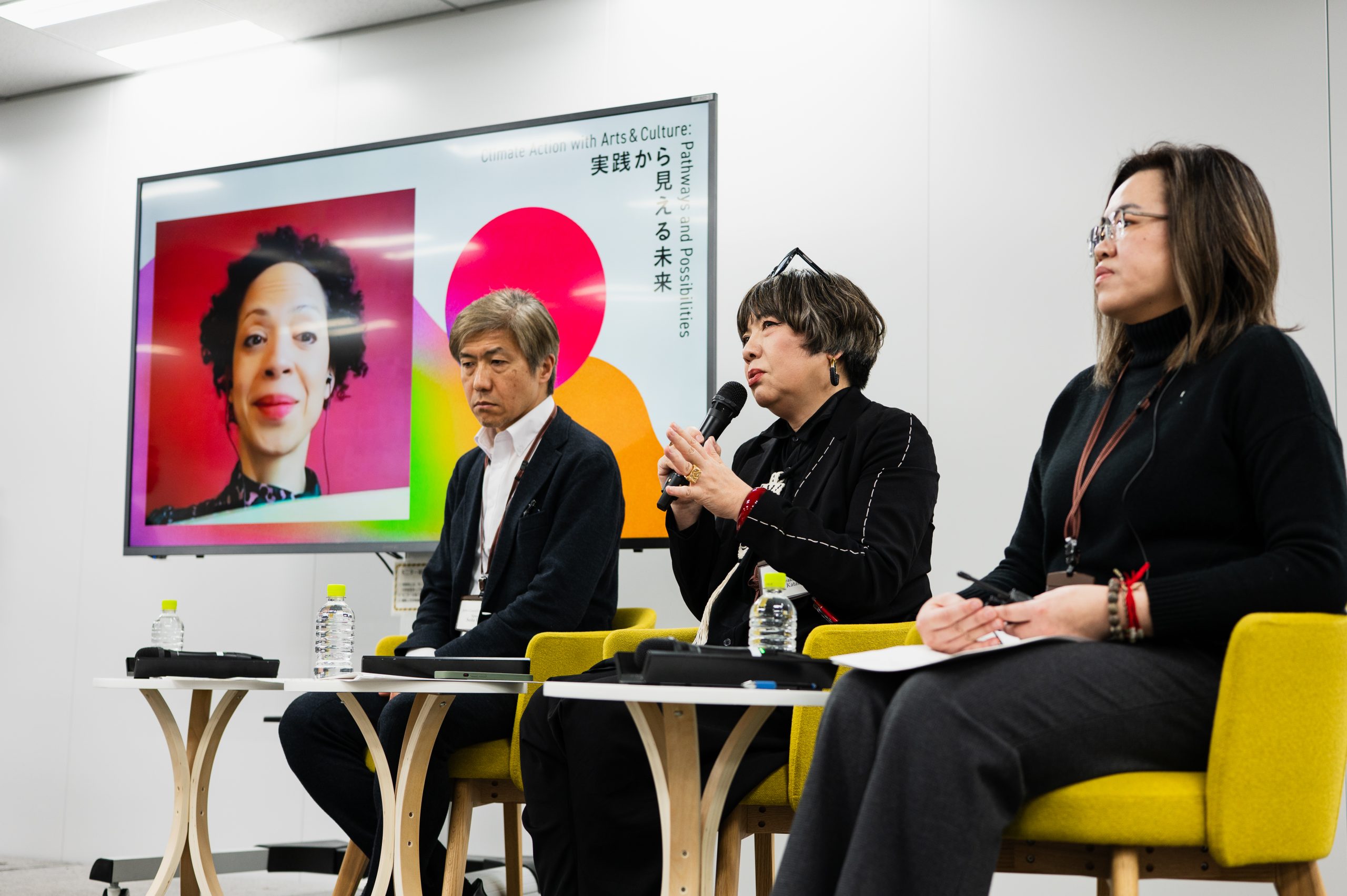
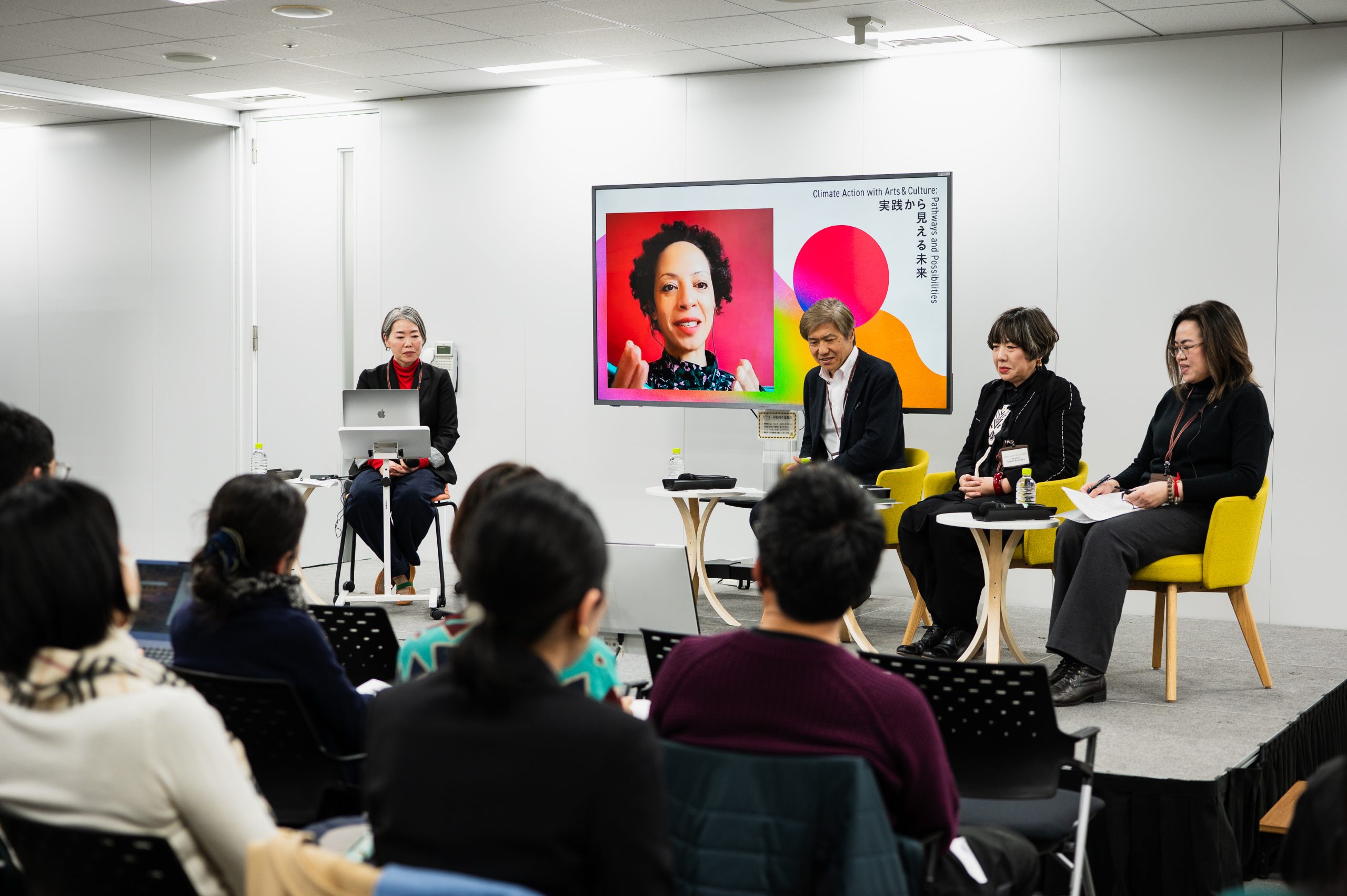
In the second panel discussion, moderator Naoko Horiuchi of the NPO Arts Initiative Tokyo (AIT/8), four speakers from the first panel discussed how the arts and culture sector should deal with the climate crisis and the challenges and possibilities for action.
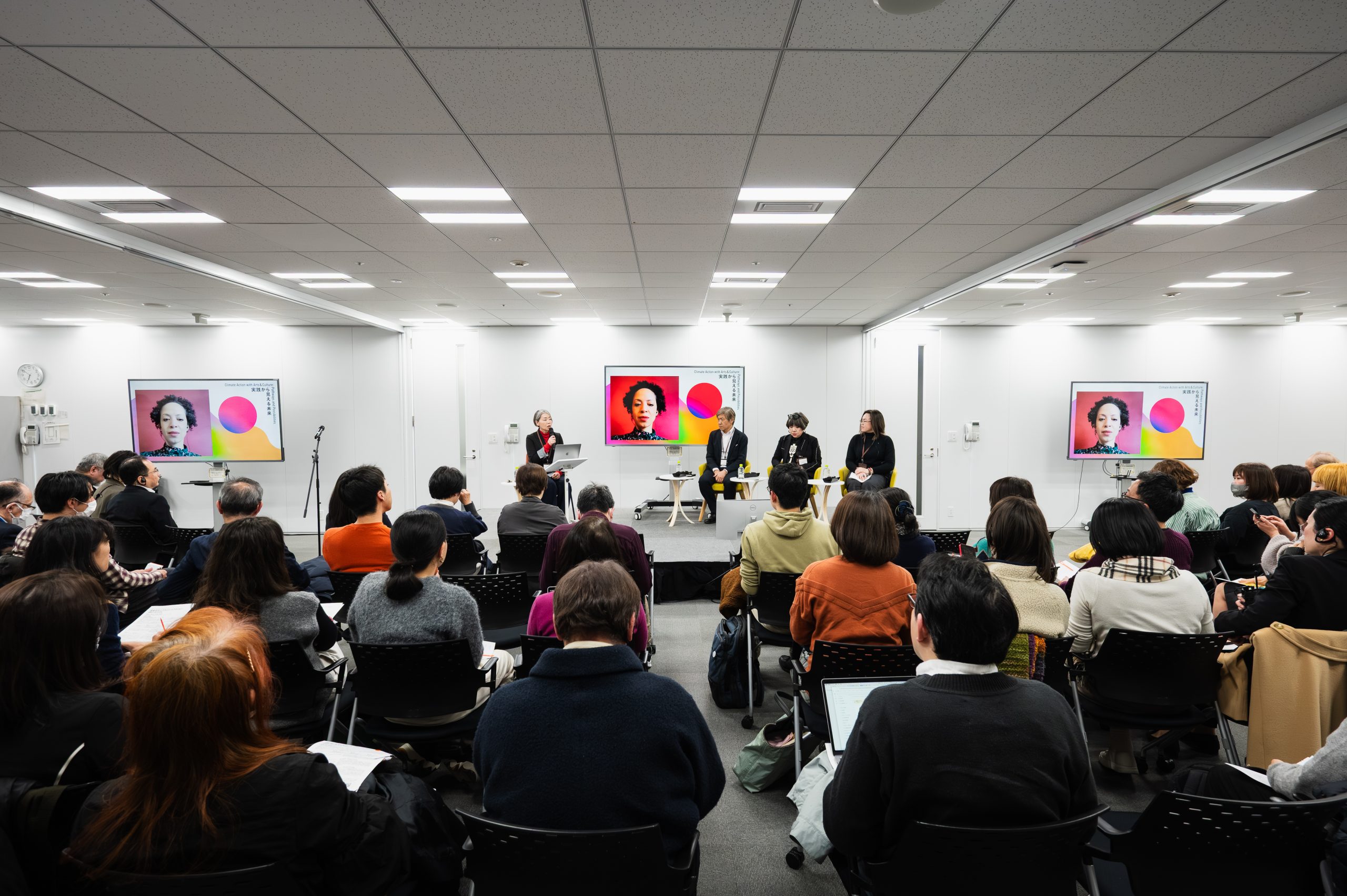
Impact of Climate Change on Art and Culture
- Mr. Horiuchi.
- "How is the climate crisis affecting museums and art event settings? Cultural institutions and artistic events are beginning to be directly affected by climate change, including extreme heat, heavy rains and floods. I think that the way cultural activities are run, the design of facilities, and the schedule of events are changing. Can you tell us about actual experiences or specific examples?"
- Mr. Conte.
- "In the UK, there have been cases of cultural events being cancelled due to climate impacts. As an example, it has been reported that a play set in a canal could not be held due to low water level. Information gathering and impact assessment are underway to quantitatively understand what climate risks cultural institutions are facing. At the government level, efforts are underway to integrate the cultural sector into national adaptation plans in partnership with Historic England and others to assess impacts on the cultural and cultural heritage sector."
- Mr. Fan.
- "Taiwan experienced extremely severe flooding last year. PUPPET & ITS DOUBLE THEATER, which had never been affected by flooding before, had its studios and offices submerged, and cultural organizations and facilities are beginning to be impacted. In Taiwan, the climate crisis was previously not considered a very pressing issue, but these events have raised awareness of the crisis throughout society, and the government is working with all industries, including the cultural sector, to promote climate action."

- Emori-san.
- "As in the UK, a climate change impact assessment will be issued in Japan in the near future. An adaptation plan is expected to be formulated in the future, and evaluation items include cultural and social issues. As a result of changes in the sense of the seasons due to climate change, local festivals, school events, and traditional events can no longer be held at the same time of year as before. This is an issue that leads to changes in culture itself, and cultural activities are also an area affected by climate change."
- Kataoka.
- "It has a big impact on art events such as art festivals where the field is outside. The Aichi Triennale was held from July to October, but the outdoor venue was too hot, so the exhibition was postponed by a month. When using abandoned buildings and warehouses that are not normally used for exhibitions, it is difficult for the organizers to introduce air conditioning to ensure the comfort of visitors, which would increase costs and energy.
When heat waves and cold spells intensify due to climate change, the amount of energy required for temperature and humidity control to preserve works of art increases in museums. Art museums use a lot of energy for air conditioning, so the burden is increasing. Digital art and AI works, which have been increasing in recent years, are also creating new challenges. Data processing and server operations require a lot of energy, which raises the issue of energy consumption with new technologies. In addition, transportation costs and environmental management costs are rising, and international transportation costs for exhibitions are increasing significantly, which is having a major impact on museum operations worldwide."
Point of mind change
- Mr. Horiuchi.
- "Climate measures are often associated with negative images, such as the need to change traditional ways of doing things, the increase of new burdens, and restrictions on people's lives. Therefore, I think it is important to change the consciousness and values of society through the power of culture and art. What can we do to change the mindset of the public and the mindset of the museum workers so that they are more positive about climate change and take it personally?"
- Emori-san.
- "It's true that in Japan, climate measures tend to be understood as "patience." I think this is because many people think that it is necessary to protect the environment at the expense of a convenient and comfortable life. However, scientifically speaking, the essence of countermeasures against global warming is the transformation of the energy system, and if we shift to fossil fuel-free energy through technologies such as solar, wind, and batteries, we do not necessarily have to sacrifice our lives. But on the other hand, there may be some lifestyle changes that need to be made in some areas, such as air travel and diet, so I think there's a cultural aspect to that."
- Mr. Conte.
- "I think it's important to present stories and positive examples of actions and changes. Share through the report what changes occur when you take action. It is important to foster a sense among many people that taking action together can make a big difference. Not every practitioner can take every action in a major paradigm shift, but they can do something in a way that works for them. By publishing the report, you can get options and tips from other people, right?
It's about what we can do together, what we can do for our world, not everything, but progress." - Kataoka.
- "At the Mori Art Museum's 2023 ecology exhibition ("Mori Art Museum 20 Anniversary Exhibition: Our Ecology: Living on the Planet Earth"), we tackled the mission of not only focusing on the theme of the exhibition, but also on how to make the exhibition itself ecological. We recycled 100% of the walls used to display artworks, used panels as they were, and used curtains instead of walls only to divide the space. These efforts resulted in almost zero waste. Using the GCC (Gallery Climate Coalition) calculator to visualize how much CO2 was emitted in past exhibitions was effective as a starting point for raising awareness in the museum. In the flow of issuing and evaluating policies as a museum, I think CO2 emissions will be included in the collection items of exhibitions, but it seems difficult to accurately grasp them.
The dilemma for museums is that 90% of the movement is people. It might be a good idea to have an app that can measure how much CO2 you emit on your way to the museum, and set up an incentive, such as a discount on admission fees, if it's below a certain level. As one of the core tasks of museum activities, it is important for curators to go to the places where artists are working and experience the culture, context, and climate of their works, so I don't think it will be easy to reduce air travel."
- Mr. Fan.
- "Some argue that it's easier to change equipment to improve energy efficiency than it is to change people's mindsets. NTCH has changed the lighting of the concert hall to LED, and has conducted interviews with external companies that rent the hall to determine what actions they can take. For spectators, it is linked to iPASS, a transportation payment card, and visitors using public transportation are given green points, which can be used for shopping, etc. In terms of contributing to awareness raising, we held an exhibition at the National Theater that conveys the story of why NTCH wants to become sustainable. As a result of holding a dialogue with shop owners to share NTCH's sustainable vision and continuing to educate them to participate in the government's Green Restaurant Project, 90% of restaurants have committed to it."
Easy-to-use sustainability system for artists
- Mr. Horiuchi.
- "In the UK, we have been updating the design of the system to ensure that the cultural sector can take responsibility for climate change through a series of hypotheses and demonstrations. What are some of the challenges in creating a sustainable system that is easy for artists to use?"
- Mr. Conte.
- "Training for Board Environmental Champions, who are responsible for strategy and governance and set the direction of the organization, was effective. In response to various situations where there is a need but it is unclear how to implement it, we provide training to incorporate it from the strategy formulation stage. There was also a sense of challenge that many artists are concerned about the climate, but they do not have the space to create their work, and the institutional framework does not work well. So, in Creative for Future, we show what kind of resources freelance artists find useful, and we provide tools to help them find seasonal resources and to help them connect."
Discussions on the climate crisis in Japan
- Mr. Horiuchi.
- "I would like to ask about legal developments in Japan. I believe that legislation and institutional design related to the climate crisis will change even in Japan. What are the current discussions?"
- Emori-san.
- "The Japanese government is focusing on industries and large corporations. Under pressure from investors and business partners, large companies are required to commit to environmental considerations. In support of this, the government is making investments in companies that contribute to green energy development and creating mechanisms to lend pricing on emissions."
- Kataoka.
- "In the art field, there is no section in charge of the environment within the Agency for Cultural Affairs, and it is not particularly included in the policy. I think that if there is an environmental certification system for cultural facilities, efforts will be made a little more."
- Mr. Conte.
- "In the U.K., in the performing arts field, the "Theater Green Book," which I mentioned earlier, is a standard shared by the industry, and I hear that 60 ~ 70% of theaters in the U.K. are using it."
- Mr. Fan.
- "There are three levels of standards in the Theatre Green Book, but compliance with those standards is not mandatory. There is no certification system in Taiwan. However, there is a need for organizations and facilities that implement environmental actions to be evaluated by third parties. As for human resource development, there is a national certification test for "Green Human Resources," and it is expected that having this certification will become a prerequisite for employment at large companies in the future."
first step toward the future
- Mr. Horiuchi.
- "What are the priorities of what everyone can do about the climate change crisis? And do you have any suggestions that we can use as a starting point to start from here?"
- Emori-san.
- "Unfortunately, we are at a stage where global warming cannot be stopped by small behavioral changes at the individual level. What needs to change is the system itself. If someone happens to be interested in environmental issues, I would like you to think about how to change the system. If you are interested but not ... I would like you to be a supporter of those who are doing it to change the system. I believe that it is important to foster an atmosphere in society that supports changes in the social system, particularly in the way energy is produced, and supports those who are working on those changes."
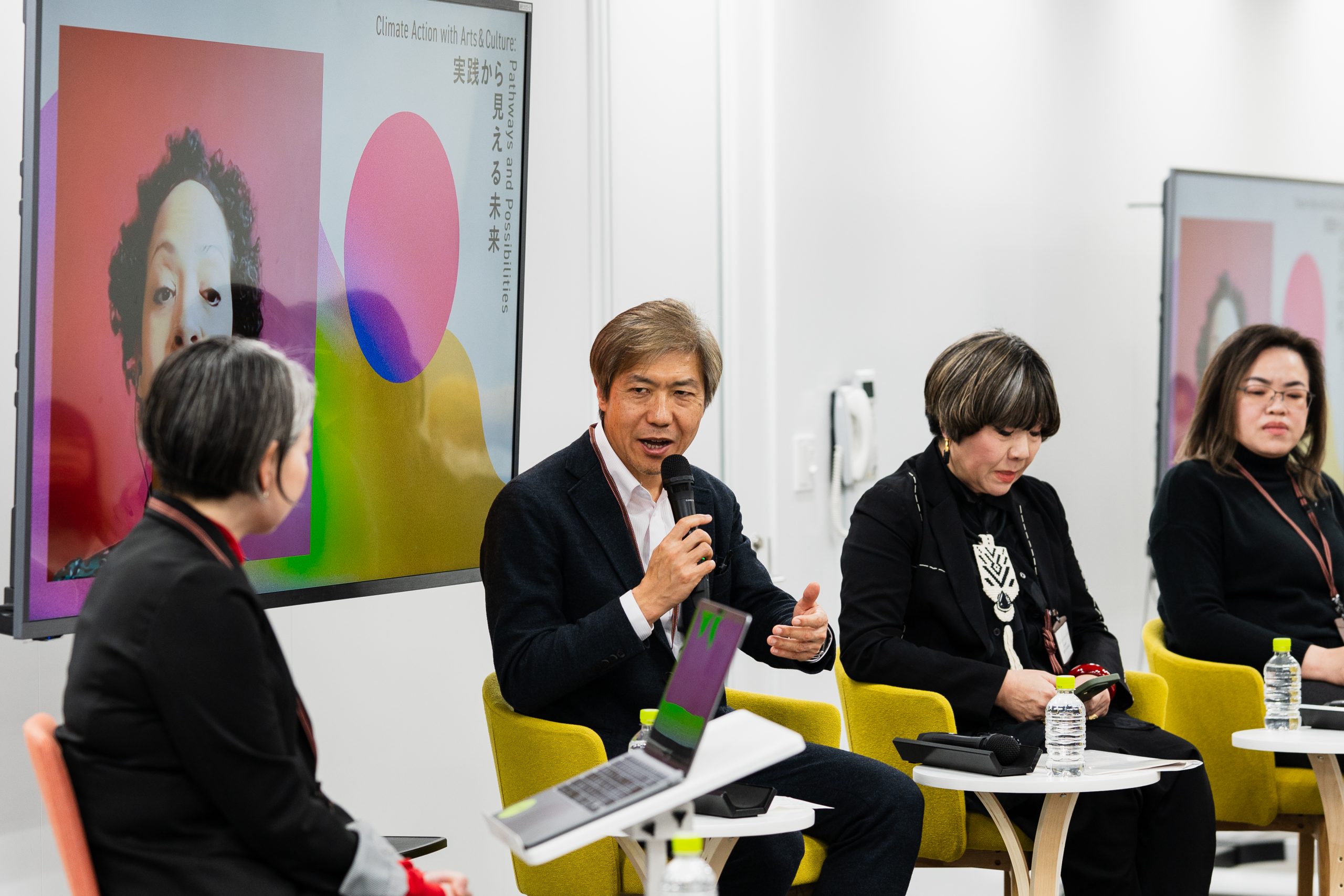
- Kataoka.
- "I think we should emphasize our responsibility for the future. The fact that many of the climate change activists are young is because the issue has a huge impact on the future. It is important that people living today have a sense of responsibility to make the future as sustainable as possible."
- Mr. Fan.
- "Engaging is the most important thing. We have to work together and work together. The cultural sector may account for a small share of emissions, but if we communicate it as an issue, we have a great chance of reaching more people. It's not just about what we can do, it's just as important to think about our impact."
- Mr. Conte.
- "I think influence is exactly what it is. Not every piece has to have an environmentally friendly theme. Creating new materials and formats is another option. The key is to think about what you can do to have a good relationship. I think it's an important role for the arts section to influence the attitudes and attitudes of the public."
Finally, he answered questions from the audience.
Q: What measures do you consider as a museum regarding the impact of collection management on the environment?
- Kataoka.
- "Although one of the essential activities of a museum is to store and preserve things that should be preserved for the future, as a result of going too straight ahead with the idea that collecting things is good, every museum has a problem with storage from the perspective of sustainability. The same is true of location and energy issues, and there is a growing recognition that we need to move away from the idea of just collecting. Some museums are starting to slow down their collection."
- Mr. Conte.
- "I think we need to have a discussion about what we value and what we should leave for the future."
- Mr. Fan.
- "Francis Morris, former director of the Tate Modern, once said, "Some things are better off disappearing in nature or left to the cycle". As a solution to the problem of energy reduction and transportation of works, some people are saying that we should deliver works instead of having them come to see them."
Aiming for a sustainable society through awareness reform, solidarity, and action in the cultural sector
This forum was a multifaceted discussion on the role that the arts and culture field can play in addressing the global issue of the climate crisis. The presentations and discussions by the speakers showed that climate change is already having a concrete impact on the field of cultural activities, and shared the possibility that it will have a long-term impact on the operating environment of cultural institutions and on culture itself. Although the cultural sector does not account for a large proportion of CO2 emissions, it has a significant social role and responsibility in terms of its ability to influence people's values and social consciousness. It certainly has the potential to present climate issues as a theme for social dialogue and create opportunities to imagine the future of society.
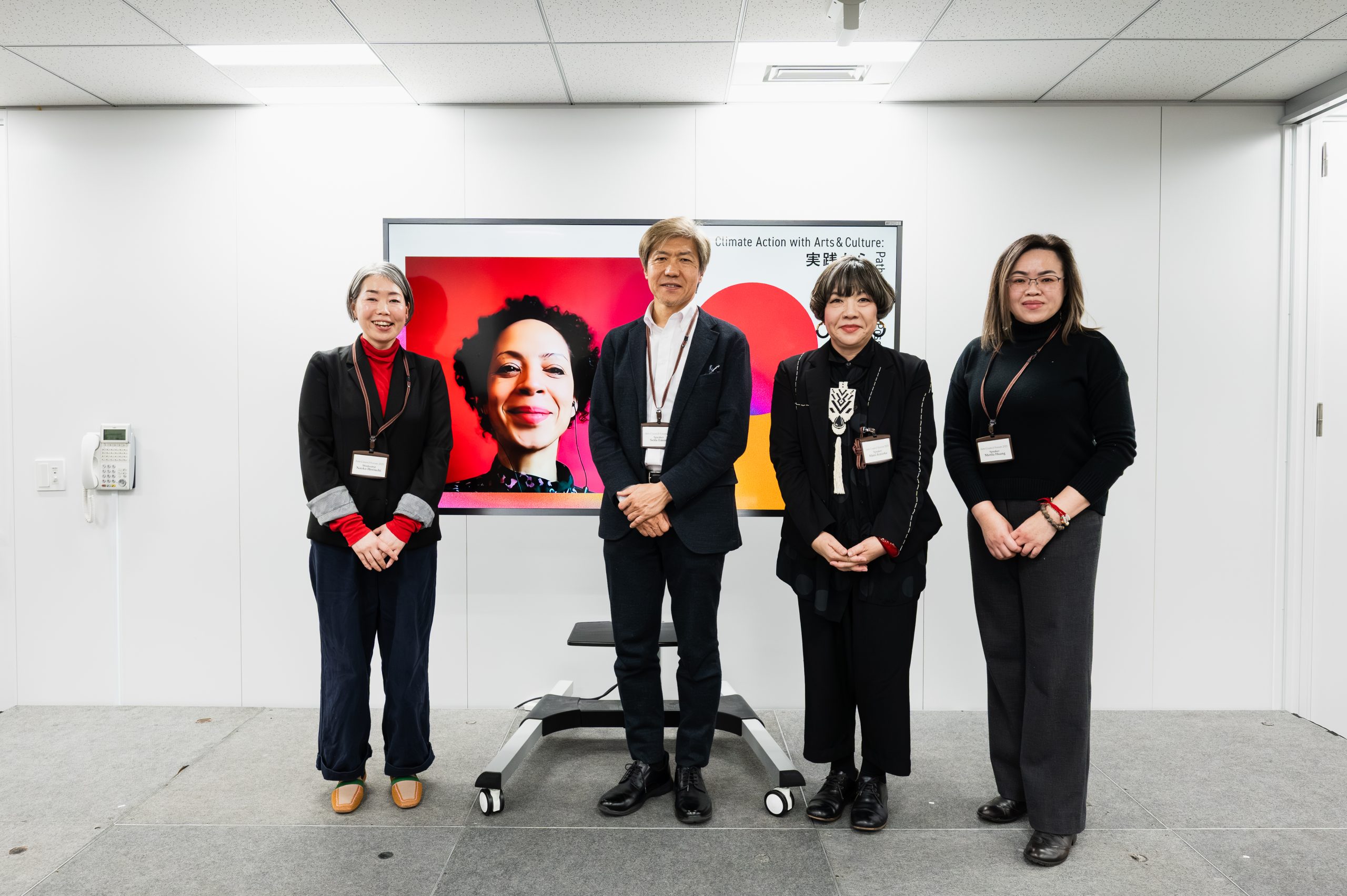
While responding to the climate crisis is an unavoidable challenge for the cultural sector, as it is for most sectors of the world, it has also shown the potential of arts and culture to broaden the imagination of society and create new values and behaviors. Cultural institutions, cultural institutions, artists, and all people involved in the arts and culture can reconsider their activities and expand their efforts by sharing international networks and knowledge. This will create a movement of hope and change toward a sustainable society.
Photo by Yuki Nakayama
Reporting and text by Mami Maeda