
In 2025, in conjunction with the hosting of the World Athletics Championships and Deaflympics in Tokyo, three art projects entitled "TOKYO FORWARD 2025 Cultural Program" were launched in Tokyo as a new initiative that inherited and developed the legacy of the cultural program of the 2020 Tokyo Olympic Games.
This time we would like to introduce "Don't be silent, move, breathe," a stage production in which deaf and hearing people encounter each other, which was performed at Tokyo Bunka Kaikan Main Hall in Ueno on Saturday, November 29, 2025.
Both the performers and staff, both deaf and hearing, worked together to create the play, and through this experience, both the participants and the audience were able to discover insights into how to realize an inclusive society. This was an unprecedented, groundbreaking creation, and at the same time, the performance was one in which extensive preparations were made in the hall lobby to meet the diverse needs of the audience, so that anyone, deaf or hearing, could come to the theater or hall and enjoy the work.
The power of art to be different is natural and valuable because it is different
"Don't be silent, move, breathe" is a cultural program jointly organized by the Tokyo Metropolitan Government, Arts Council Tokyo, and Tokyo University of the Arts. It involved over 100 performers and staff members, and involved repeated experiments and demonstrations in an unprecedented creative process. The project took more than two years to reach its performance. Katsuhiko Hibino, president of Tokyo University of the Arts, served as overall supervisor, while artist Eri Makihara wrote and directed the piece, and dancer and choreographer Yasutake Shimaji directed and performed in it.
Hibino's encounter with Makihara led him to learn about deaf culture and to become relatively aware of listening culture. Hibino and Makihara first met at the TURN Project (An art project that creates an expression of interaction through the encounter of diverse people who transcend differences in backgrounds and customs such as the presence or absence of disabilities, generations, genders, nationalities, and living environments.) in 2019.
Under the values of art, in which the individuality and differences of each person are directly linked to the richness of expression and are expressed in the attractiveness of the work, it is natural that if 500 people look at the same apple and draw a picture, there will be 500 different expressions of the apple. In other words, it is natural for them to be different, and it is because they are different that we find it interesting that we can understand their individuality and notice new perspectives through their expressions. The power of art, which is based on the premise that “difference ” itself is a value and an attraction, is the foundation of the creative process of this work, which is also shared with“ TURN Project ”.
For this reason, this work does not end at the theater, but rather provides an opportunity to become aware of the "differences" that exist naturally in our society through the work, and the small awareness and changes that occur after each audience member leaves the theater and returns to their daily lives create the power to gradually change society.
Exploring the creative process of realizing, imagining, and collaborating with others based on the knowledge of "differences" from others
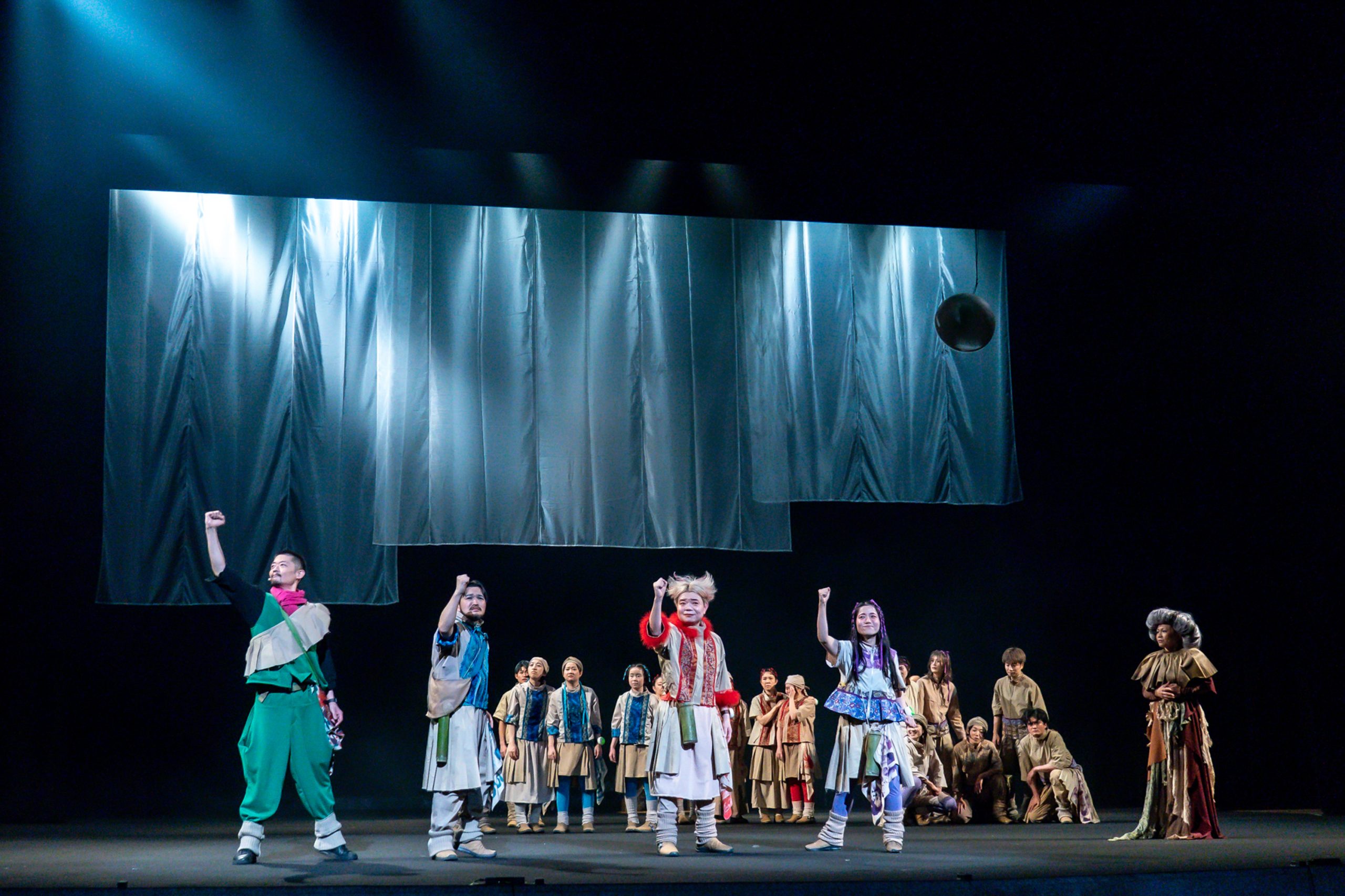
The game tells the story of how residents of two different cultures — Mist no Machi, which uses sign language, and Hyakutai, which uses spoken language — meet and experience the lives and cultures of each other's cities, discovering their differences and finding common understanding from a state of uncertainty, and gradually creating dialogue.
In addition to Makihara, Shizukakai and Osamu Nagashima of the drama Turku came up with the idea of a world in which the Deaf and Hearing communities exist separately, and the audience was able to relive the confusion, awareness, and trial-and-error of the characters as they unfold on stage.
Since there are no subtitles on the stage, in scenes where dialogue is exchanged in sign language, audiences who do not understand sign language have to use the language of “Mist no Machi ” as a clue to imagine the content of conversations among the residents of“ Mist no Machi. ”. On the other hand, in scenes in which spoken language is used, audiences who do not understand spoken language have to imagine the content of the conversations of the inhabitants of Hyakutai using the movements of the body and mouth.
In other words, both the hearing person and the deaf person feel inconvenienced and unsure of each other as they follow the story, so that they naturally imagine the other person's position.
This is a groundbreaking attempt that has never been made before as a form of performance, but even more than that, I feel that the significance of this program lies in the fact that the Deaf and the audience have worked together, repeatedly noticing each other's "differences" in the creative process that lasted for two years before the performance.
First, the Deaf person created the music first, and then they practiced together with the audience. This was a step-by-step creative process. However, when the Deaf person and audience practiced together for the first time, they were greatly confused by the differences in the way they practiced and shared decisions and changes. Although it was easy to exchange ideas and build consensus within each language community, sharing information was a challenge to deepen creation in harmony between different language communities.
However, in parallel with the rehearsals, there were many opportunities for the performers and staff to give input and exchange opinions, such as workshops on imagining the city for Deaf people and hearing people, study sessions on Deaf culture led by Ms. Makihara, and communication training. This deepened their understanding of the work itself and others who were different from them, and fostered a sense of unity as a team participating in the process of creating the work.
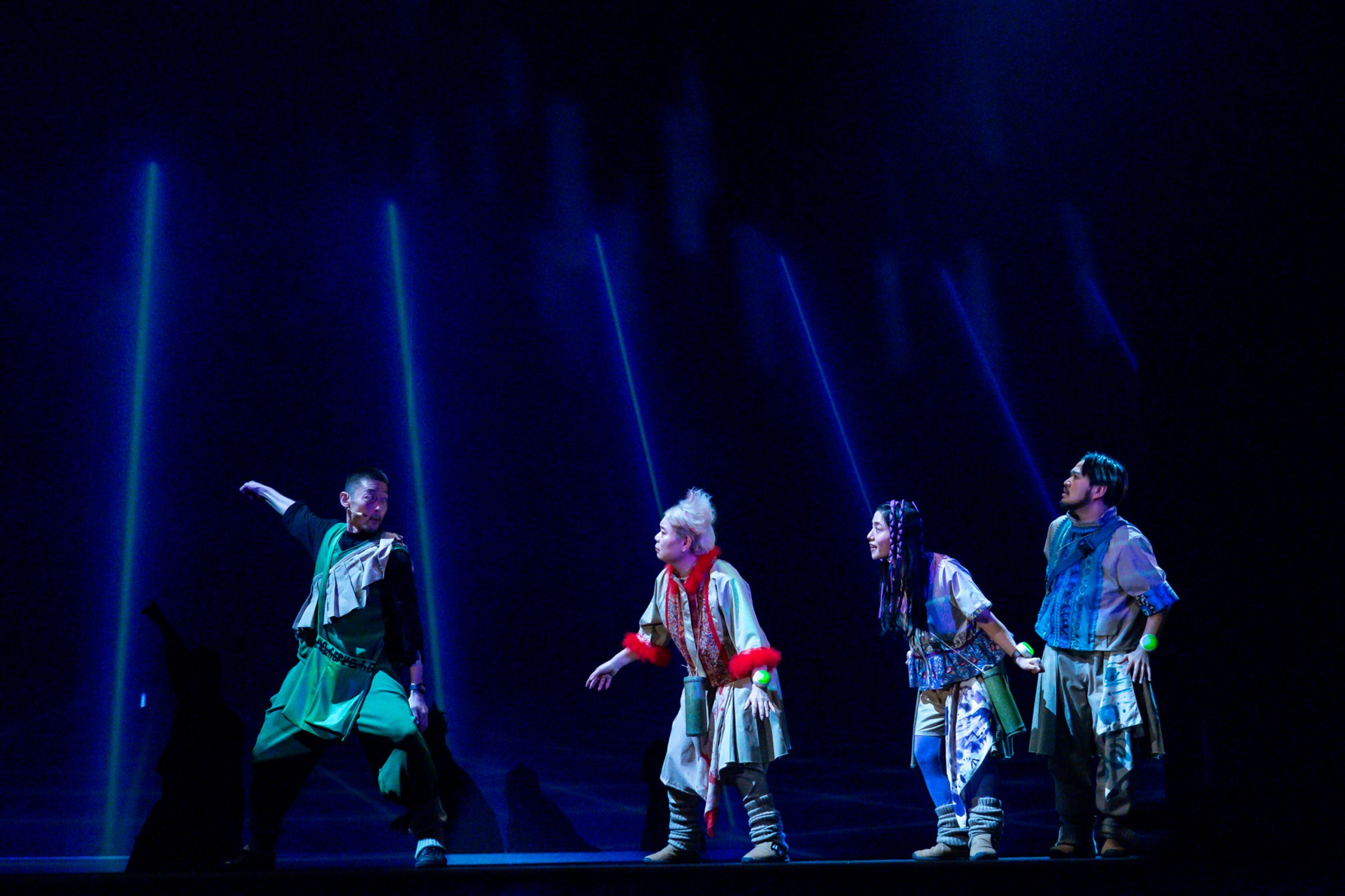
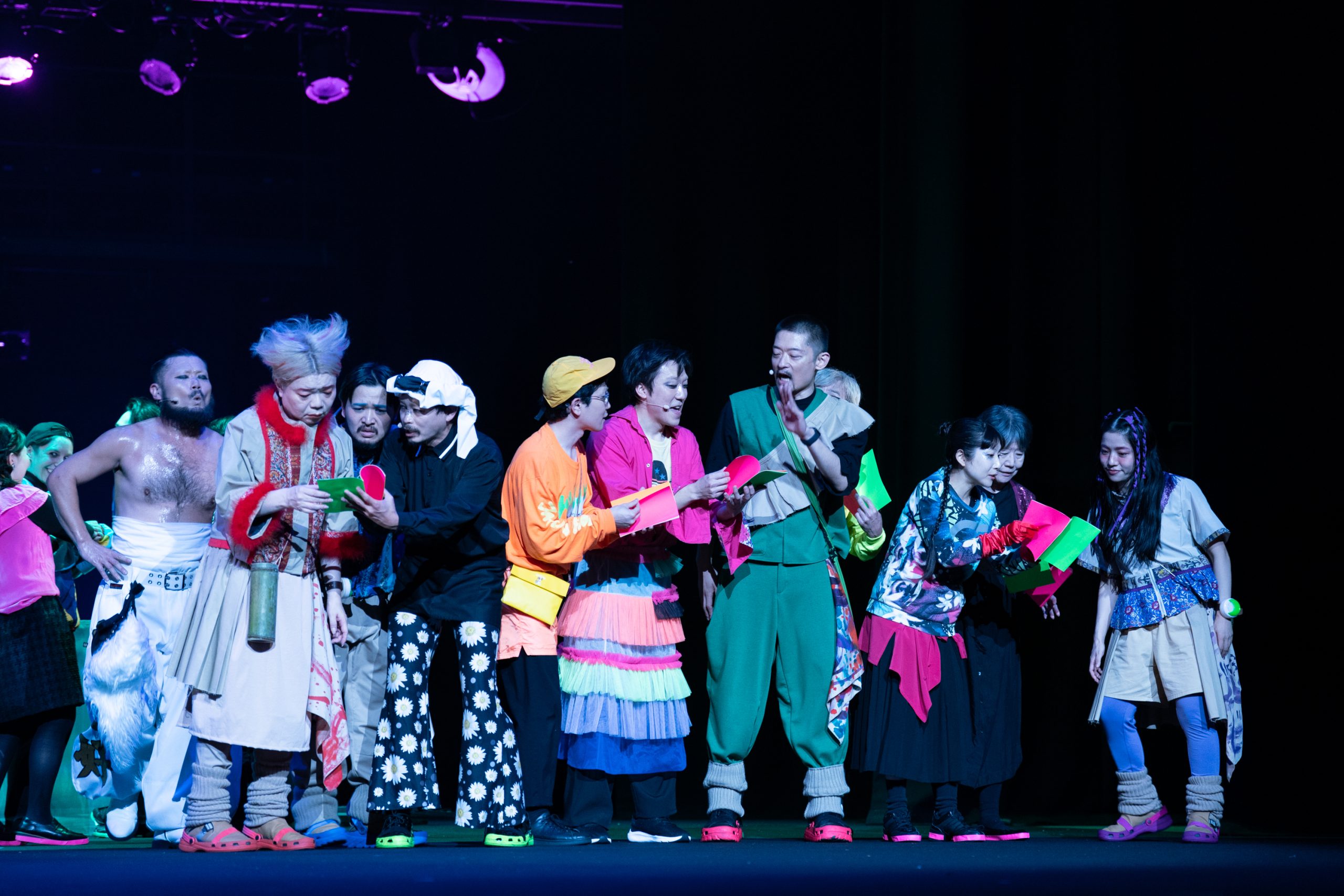
In the performance, the characters were puzzled by a culture and language that was different from their own, but they did not give up their "lack of understanding" and tried to understand each other, they built a relationship where they could accept each other even if they did not understand, and they opened up new communication by overcoming their "lack of understanding". It was interesting to see that each person reacted in a variety of ways, and I felt the strong message from the work that there is not always one right answer for communication.
Through the story, the audience was able to relive the creative process that this project actually went through, in which deaf people and hearing people realized their differences, got to know each other, and created something together.
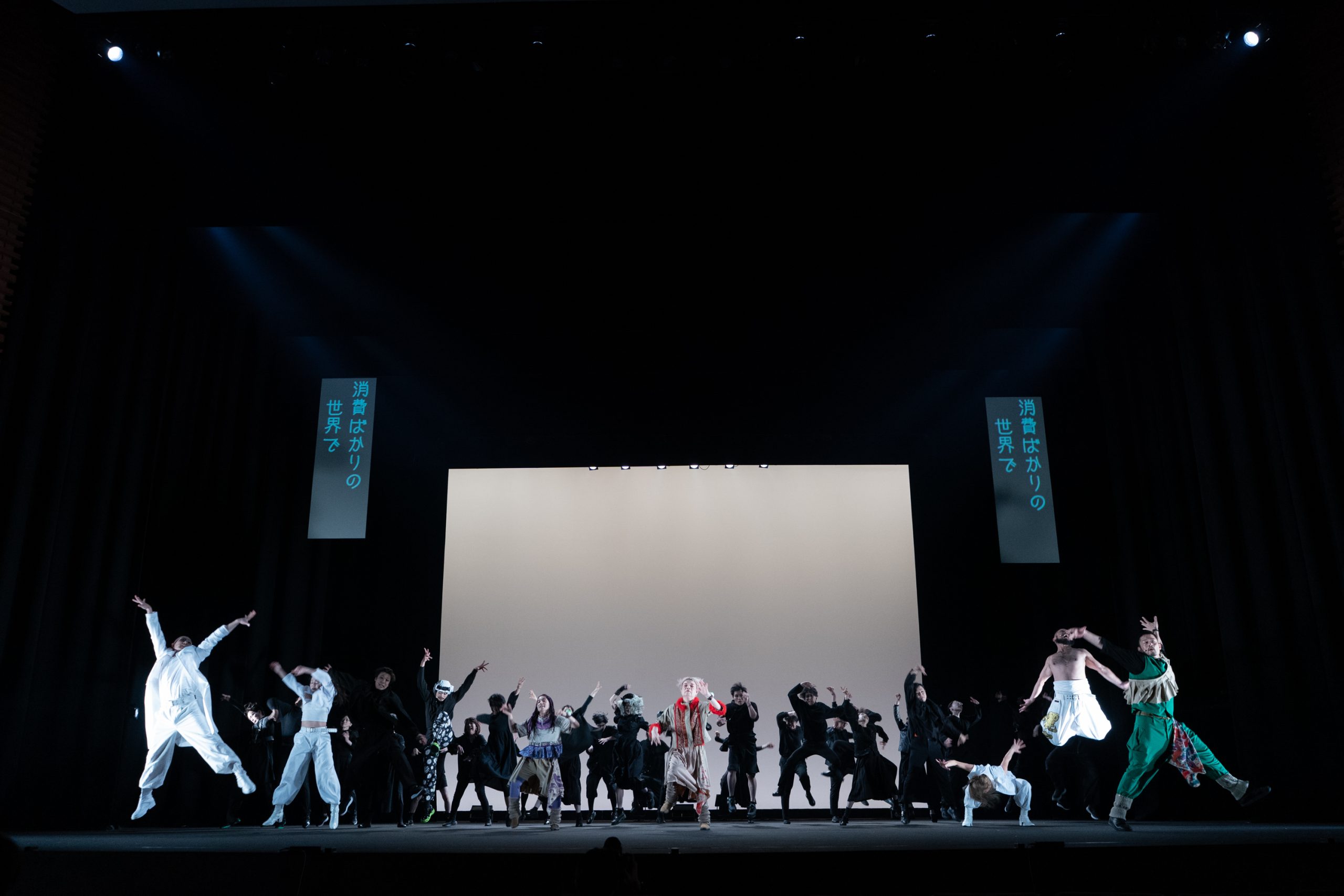
It was also impressive that there were several scenes in which spoken dialogue and sign language dialogue unfolded at the same time in several places on the stage, creating situations that would not have occurred in a theatrical production with only spoken language. This was a fresh production expression that effectively utilized the characteristics of this production.
The experience of watching a stage at a theater or hall is brought closer to the audience through viewing support that meets their various needs.
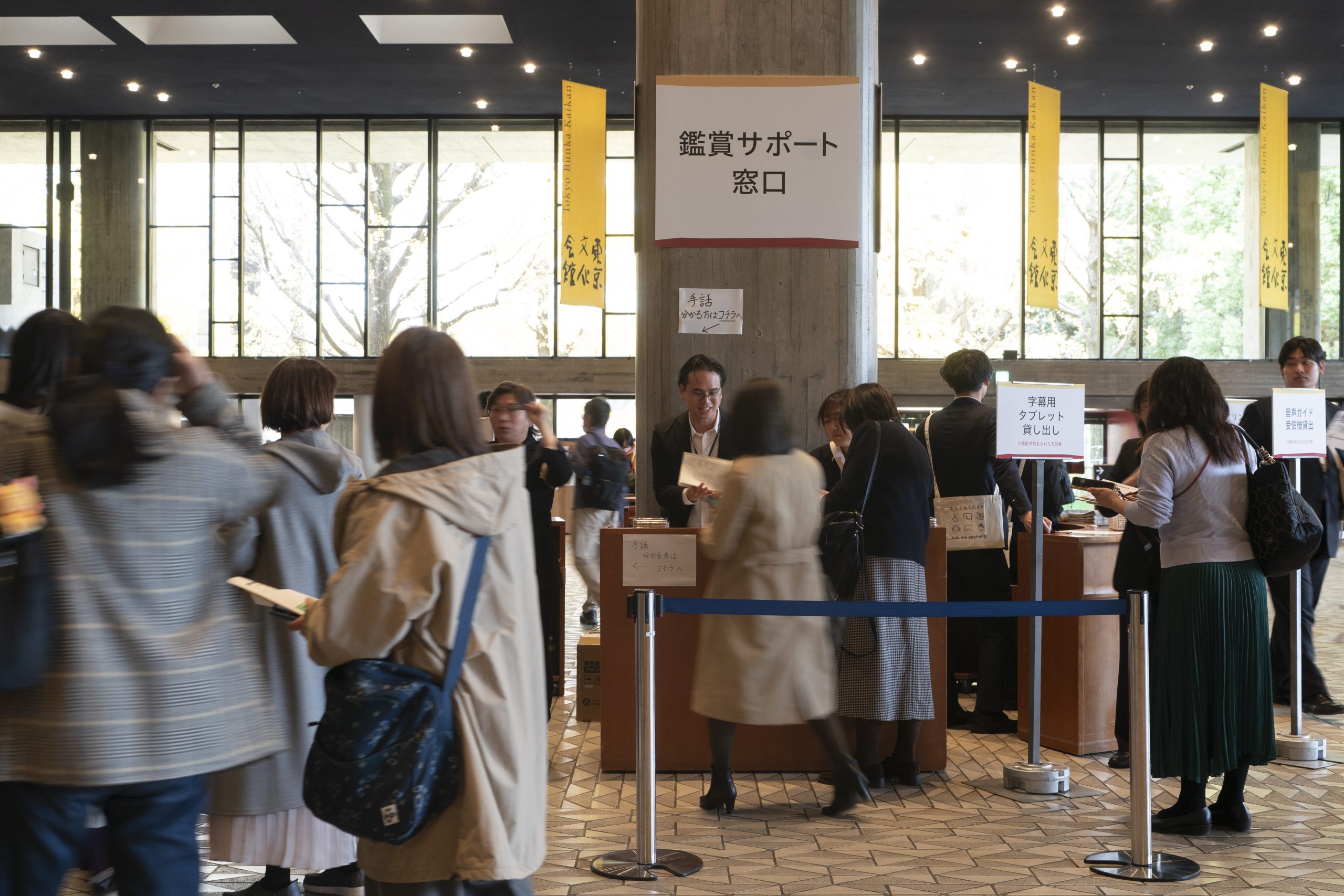
In addition to the works themselves, the program is also notable for its enhanced viewing support that meets the diverse needs of audiences. A viewing support window was set up in the center of the lobby, offering a wide variety of services.
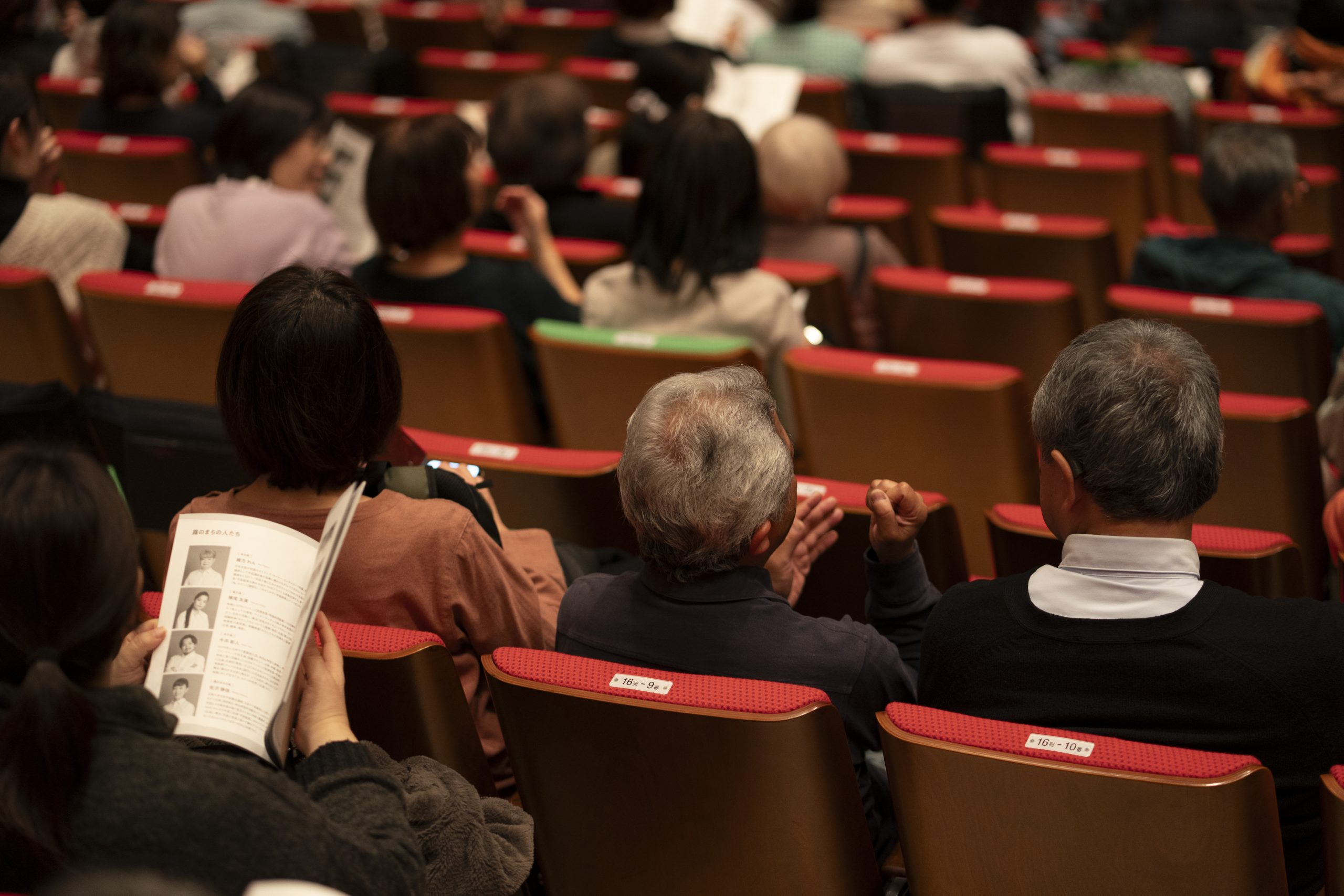
One example is the lending of subtitle tablets to help audiences who have difficulty hearing audio but aren't good at sign language. The dialogue in the spoken language of the actors and the appearance of the sound effects are displayed in letters, so you can watch the play as a resident of Hyakutai. In addition, a hearing loop to help hearing impaired people and an audio guide to help people who are blind or have difficulty seeing were also available for advance reservation.
In addition, earplugs are provided for those who do not like loud sounds. Sensory kits, which can be used to calm down or keep as a good luck charm, were provided as a service that could be used without an appointment if needed. In addition, the lobby had an open space for anyone to use, and private booths were provided in the back, creating an environment where users could choose according to their needs.
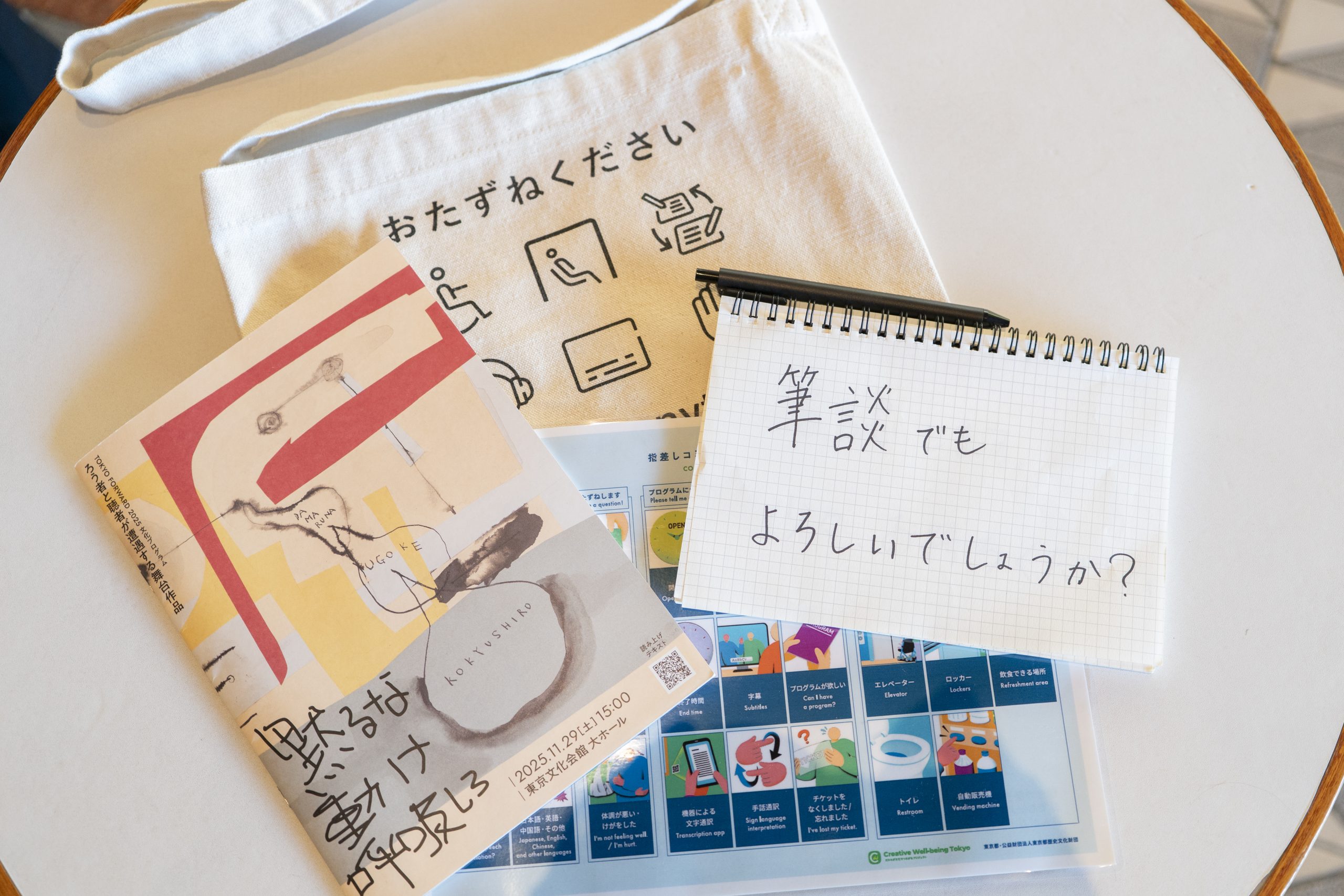
In addition to these enhanced environments and tools, the human support system was also excellent, with the lobby's guide staff carrying pouches with the words "Please ask us" written on them, creating an atmosphere where it was easy to approach them. Pointing communication sheets, memos and writing implements for written communication, and other systems were in place to provide advice regardless of sign language or spoken language. It could be said that both the tangible and intangible aspects of the approach to audiences comprehensively embodied the "all-welcome" approach that Tokyo Metropolitan Government and Arts Council Tokyo are aiming for.
While imagining each position, don't distract from the "differences" and go beyond the "uncertainty"
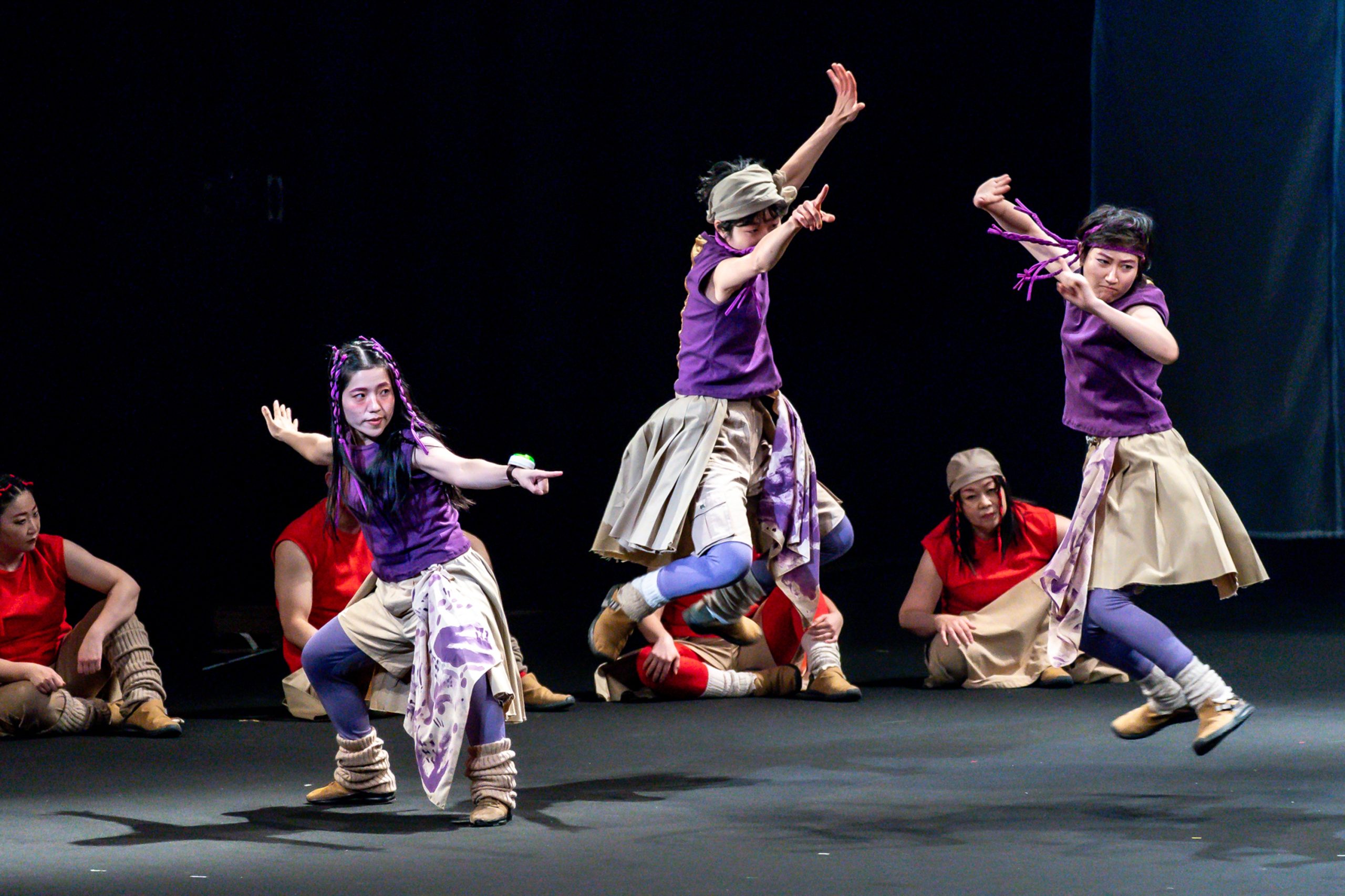
The title of the game, “Don't Shut Up, Move, Breathe, ” says that instead of giving up on others with different cultures and languages, you should first notice the“ differences ” between yourself and others while expressing your own way of life, and even if you don't understand, you should continue to move and interact with others while sharing your breath as people living in the same society. The message is that the attempt itself is worthwhile. Even if we speak different languages, we all breathe in our lives, and even if we use different ways of expressing ourselves due to language differences, we can still try to express our thoughts and try to understand them. I believe that the key to communication in order to realize a symbiotic society is to imagine and learn about the other person's culture and thoughts, rather than necessarily trying to solve all the questions. It was a theatrical experience that reminded me of the world we live in together as members of the same society, breathing together in the same way, while continuing to look at our differences.
Text: Mami Maeda
TOKYO FORWARD 2025 Cultural Program
Stage production "Don't shut up, move, breathe" in which the Deaf and the hearing encounter each other
- Date: Saturday, November 29, 2025
- Venue: Tokyo Bunka Kaikan Large Hall
- Organized by: Tokyo Metropolitan Government, Arts Council Arts Council Tokyo, Tokyo Metropolitan Foundation for History and Culture, Tokyo University of the Arts
- 公式ウェブサイト:https://duk-tokyoforward2025.jp/