


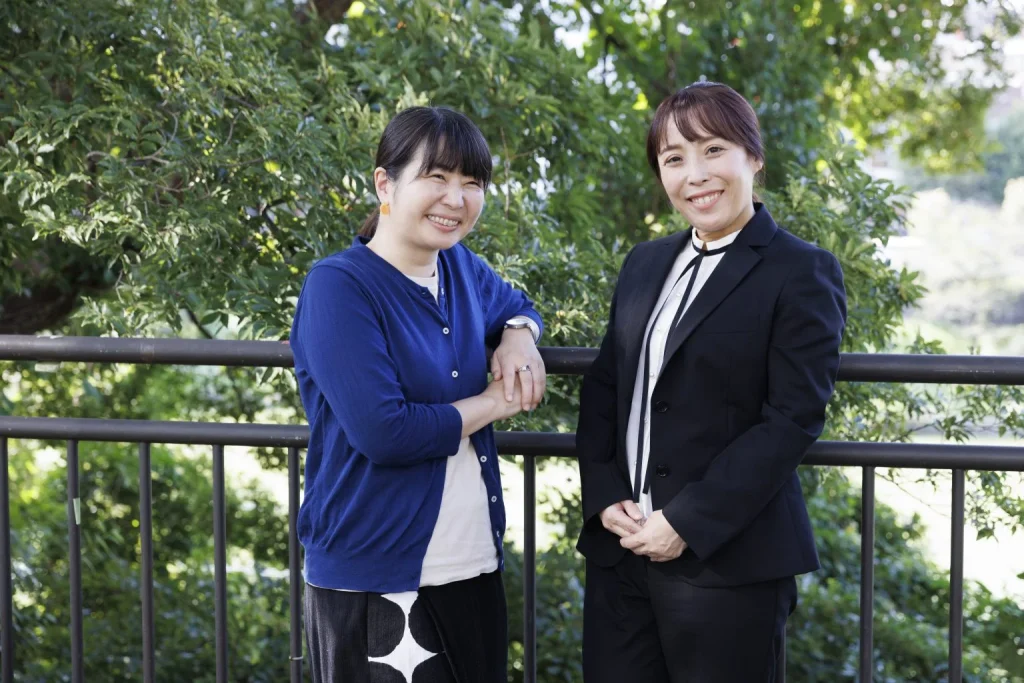
Tokyo Tokyo Bunka Kaikan in Ueno and Tokyo Photographic Art Museum in Ebisu. We spoke with Tsukihashi Tomoko and Funanokawa Seiko, who work as full-time staff in the newly established Social Coexistence Department in April 2024. While the fields they work in are different -Tokyo Bunka Kaikan Kaikan is a music and performing arts hall, while Tokyo Photographic Art Museum is a photography and video museum - they share the same desire to "bring culture and the arts to as many people as possible." We asked them how they joined the organization and what is the appeal of their work.
*Department names and titles are those at the time of the interview.
(Part 1 (Click here)
I want to make it a facility where people can proudly say, "Please come." Tomoko Tsukihashi
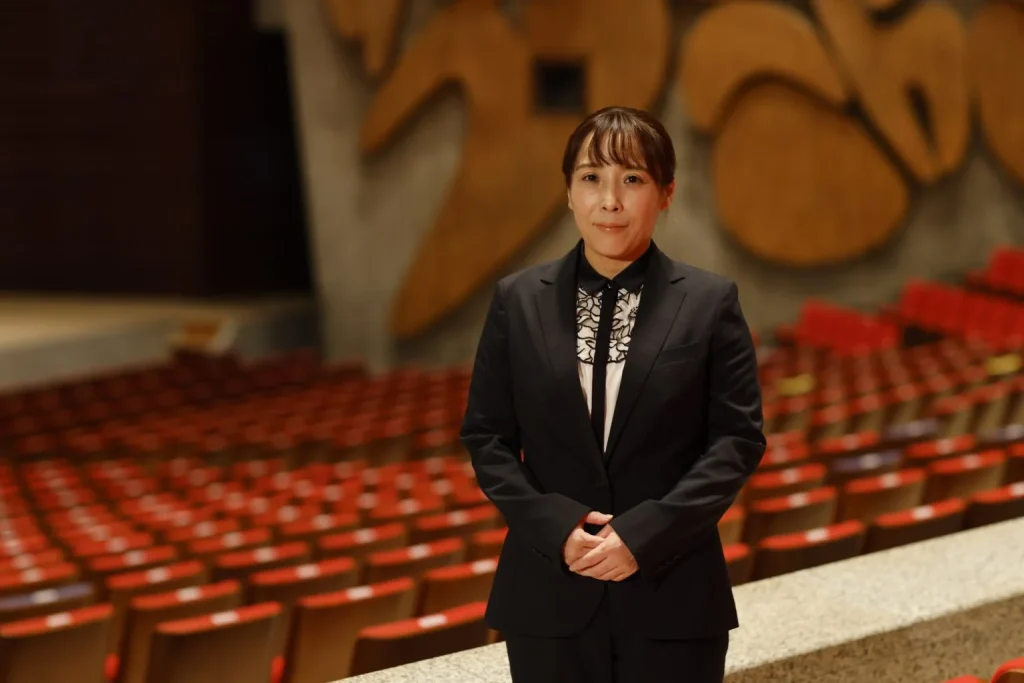
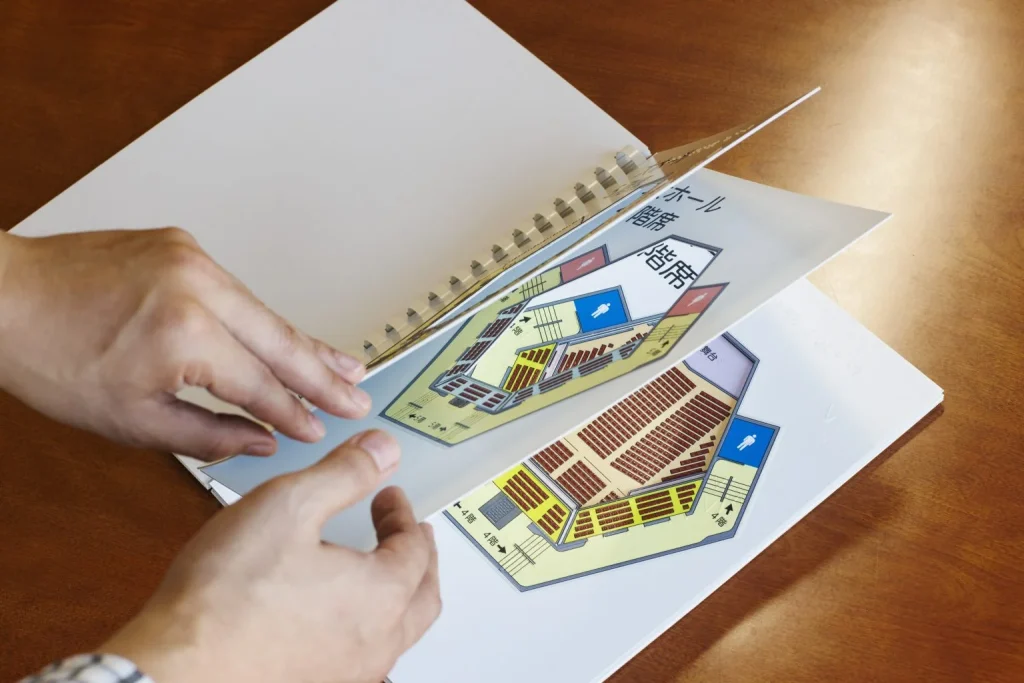
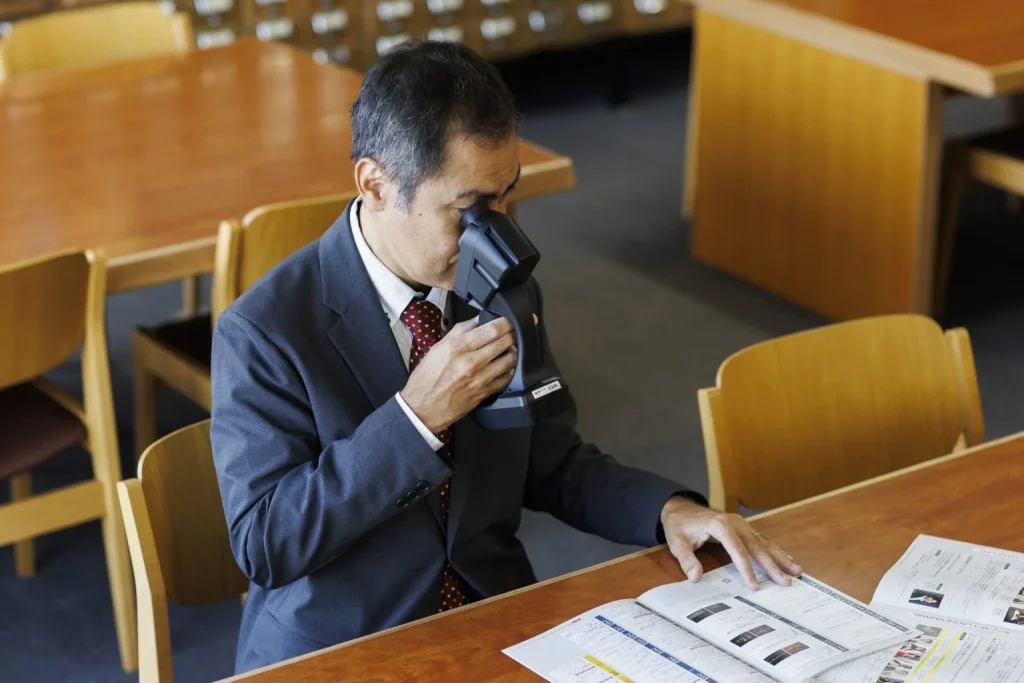
Tokyo Bunka Kaikan has already organized programs for a wide range of people to enjoy music, such as "Music Workshops" that can be enjoyed by people from the age of 0, and "Relaxation Performances" that even those with musical anxieties can enjoy with peace of mind. Since Tsukihashi was hired in April 2024, the Social Coexistence Project Team was launched. Members from seven departments within the building gather together, and the 10-person team meets monthly to promote efforts to improve accessibility. For example, they are currently working on the production of facility introduction pamphlets and tactile maps in easy-to-understand Japanese, the introduction of visual support devices that project images onto the retina for people with low vision, and the introduction of remote sign language interpretation services. As the team leader, Tsukihashi leads the project while coordinating between the various departments.
Tsukihashi also worked at a music hall in his previous job. She said she applied for the position because of her previous experience. I was particularly impressed by the fact that when I held an outreach concert at an elementary school, the teacher in charge said with tears in her eyes, "I can't believe the kid who couldn't always be quiet sat still and enjoyed the music until the end." At that time, he was glad and at the same time, he thought how nice it would be if he could proudly say, "Please come to the hall, too."
"Many halls in Japan are expected to be quiet during performances. It is not an environment where all people can enjoy music together at ease. From that experience, I came to think that I would like to aim for a hall where everyone can say, "Please come.""
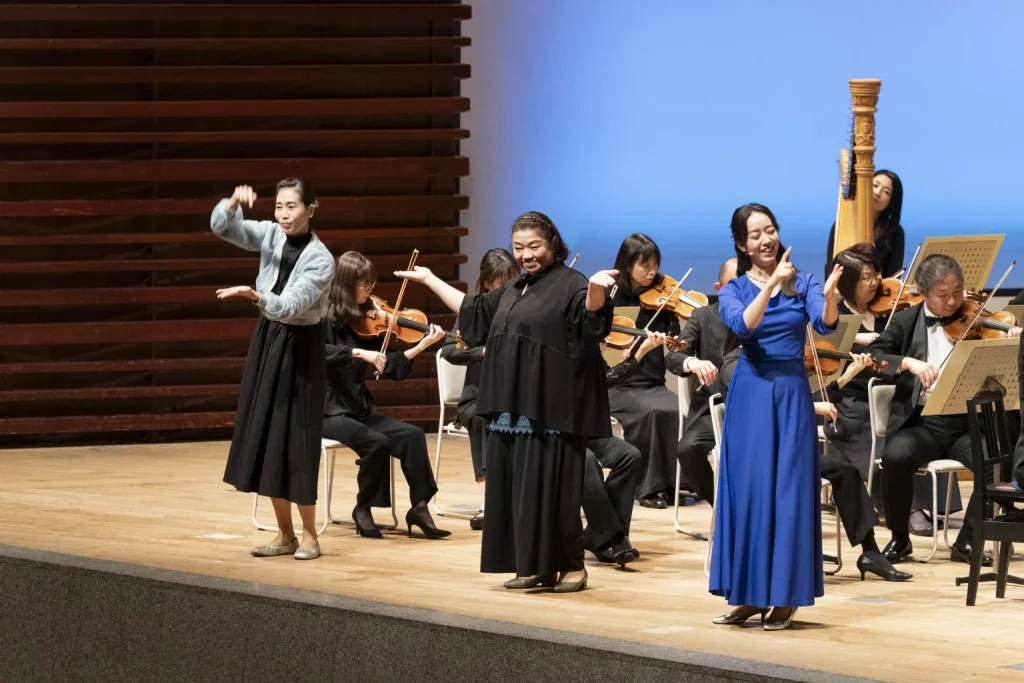
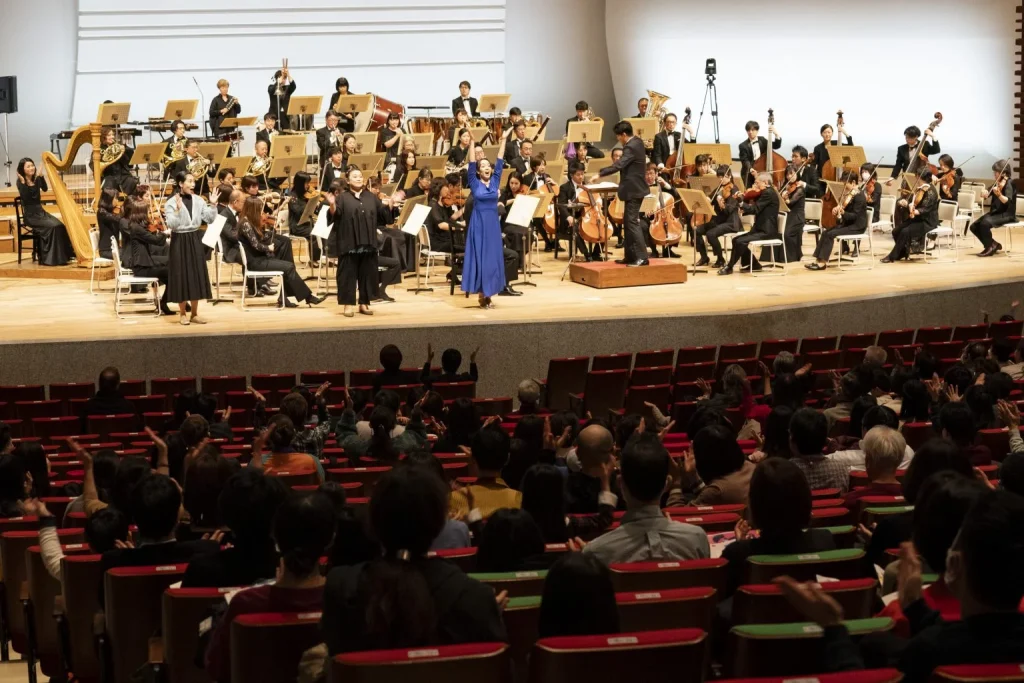
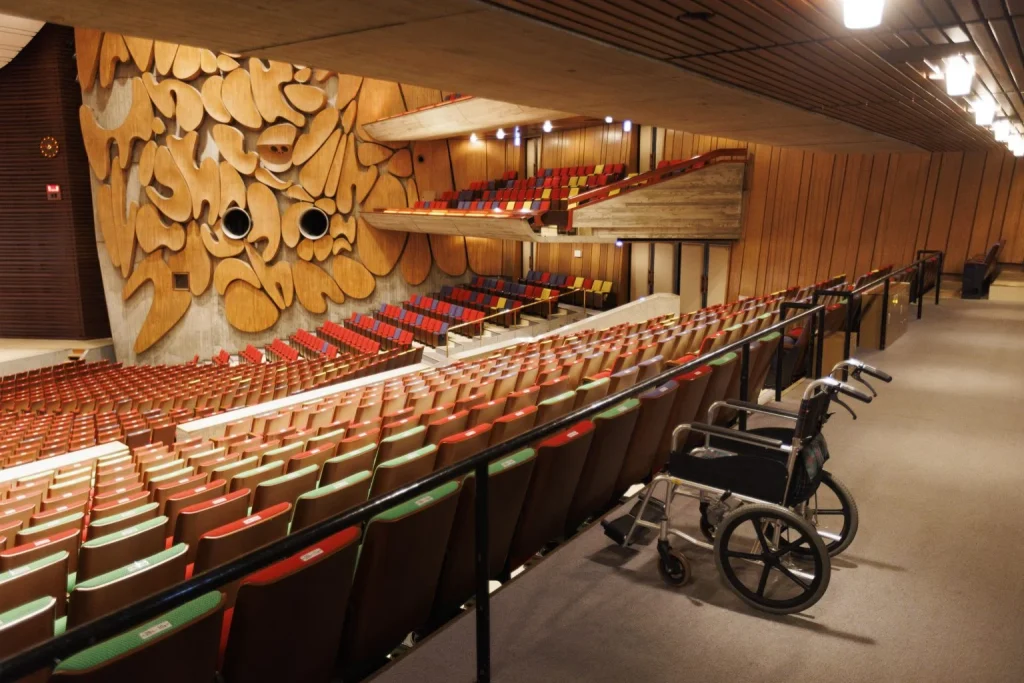
In addition to its own initiatives, Tokyo Bunka Kaikan also collaborates with other organizations through its Partner Program. This program aims to spread accessibility initiatives to users of rental venues, with the goal of eventually providing accessibility to cultural facilities throughout Japan. Additionally, members of the Social Coexistence Project Team are currently planning to create tactile models of the small and large halls. Once completed, these will be installed in the foyers of each hall.
"Of course, we want people with visual impairments to use it, but we also want a variety of people to be able to touch it. For example, if someone who encounters the tactile model for the first time tells someone, 'I saw something like this at Tokyo Bunka Kaikan,' it may lead to further spread of the concept."
Mr. Tsukihashi believes that it is important to let many people know about our efforts. We are working hard every day to achieve a future where cultural facilities throughout Japan are accessible.
a job that increases choice. SEIKO FUNOKAWA
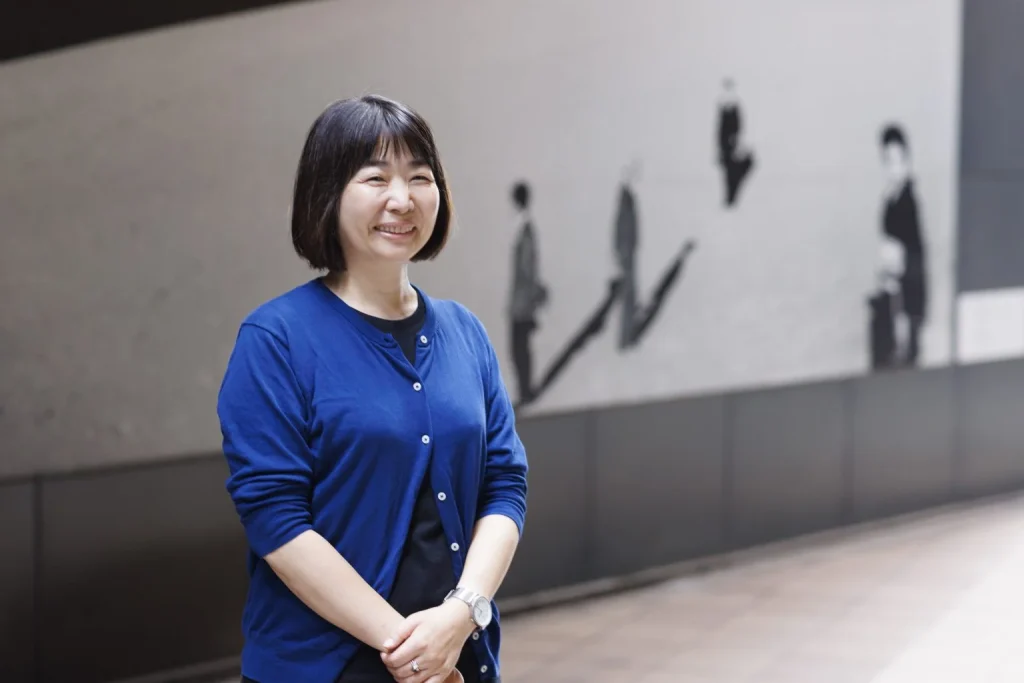
Tokyo Photographic Art Museum has been focusing on barrier-free measures such as allowing assistance dogs to accompany visitors, installing a nursing room, lending out writing aids and wheelchairs, and holding gallery talks with sign language interpretation. Since joining the museum in May 2024, Funanokawa Seiko has been working to promote and improve accessibility initiatives within the museum.
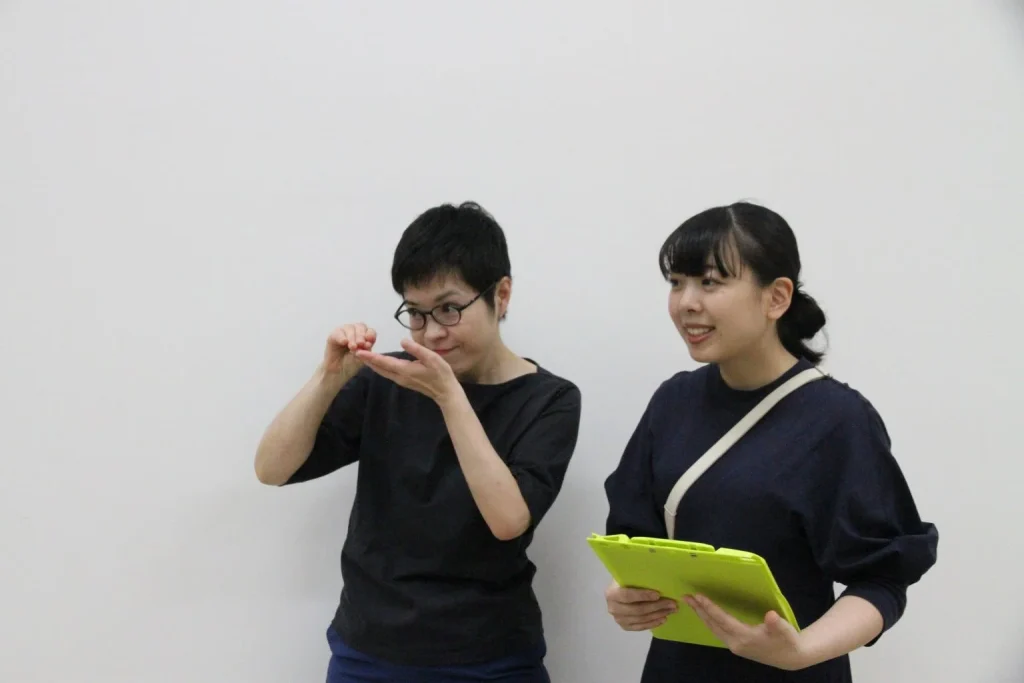
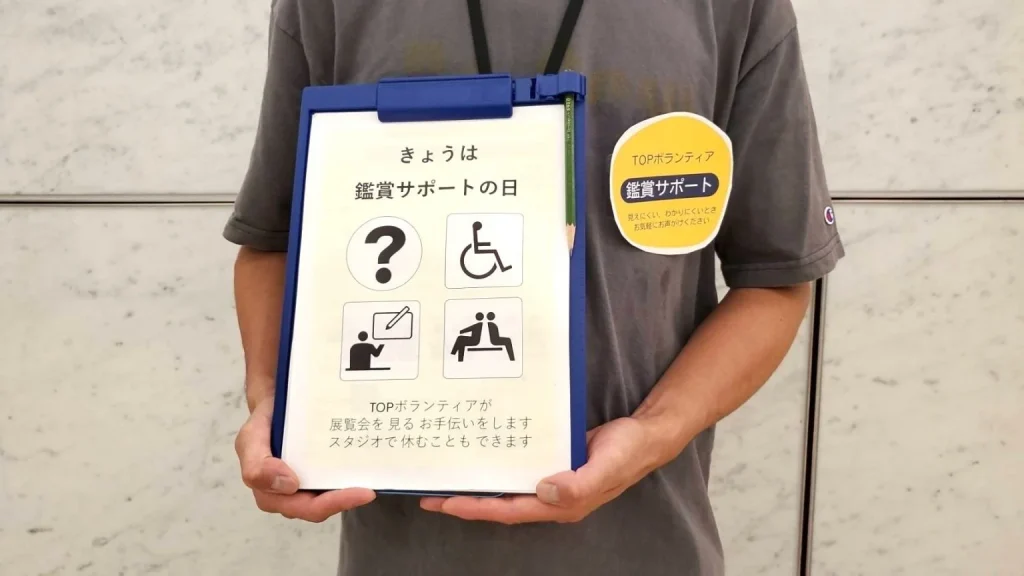
Funakawa was originally a freelancer working as an appreciation dialogue facilitator. As a facilitator in charge of planning and facilitating learning, I focused on "Each person should be able to feel at ease and be themselves and go home with a good experience." He also participated in the project of Cinema Chupki Tabata (*), a universal theater located in Kita-ku Tabata from 2022 to 2024, as a coordinator.
"In that project, I worked with people with visual and hearing impairments. As I interacted with them, I had a sense that the way they communicated was becoming "natural" rather than "considerate." And that's when I became familiar with the concept of accessibility."
*It opened in 2016. With Japanese subtitles and audio guides for all films, soundproofed viewing rooms and wheelchair spaces, it aims to be a cinema that anyone can enjoy.
https://chupki.jpn.org/
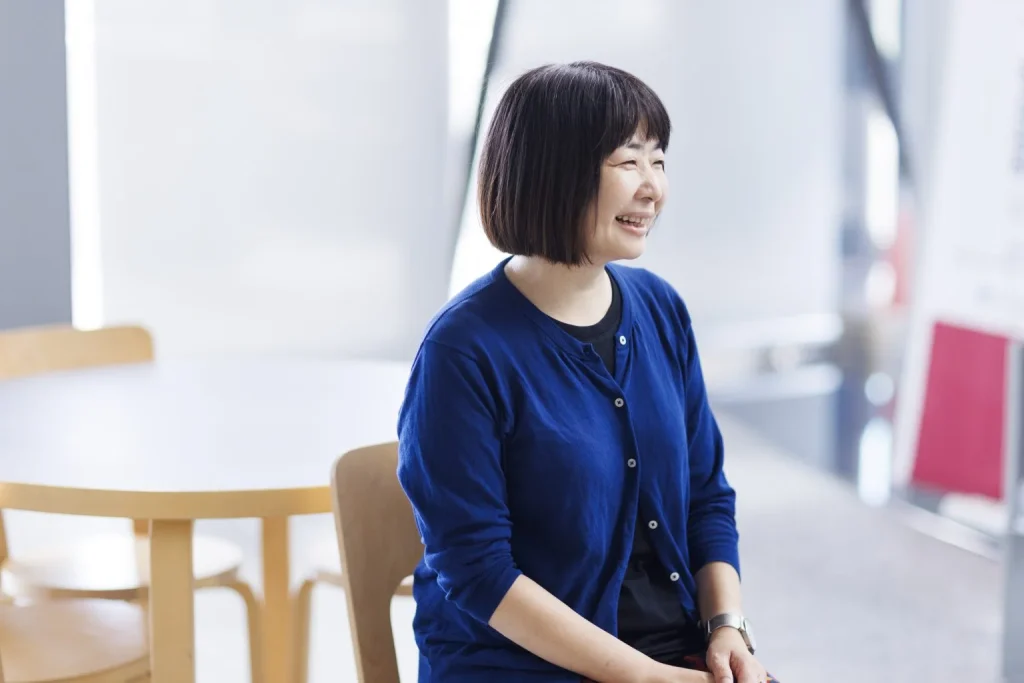
What we're working on now is improving our website. We are in the process of creating a new page of accessibility information for the Museum of Photography. In addition, we have introduced hearing and visual aids, created a pamphlet introducing our facilities in easy-to-understand Japanese, and reviewed the signs in the building. We are constantly making improvements as we become aware of them.
"Museums display works in the best way for viewers. For this reason, we carefully select the information that is posted, but sometimes the signs are not written in English or the location of the information is difficult to find. Accessibility is not just a term for dealing with people with disabilities. We take into consideration the needs of the various visitors to the museum, and make improvements to the things we notice, even if they seem trivial. It can be triggered by comments from customers or questionnaires."
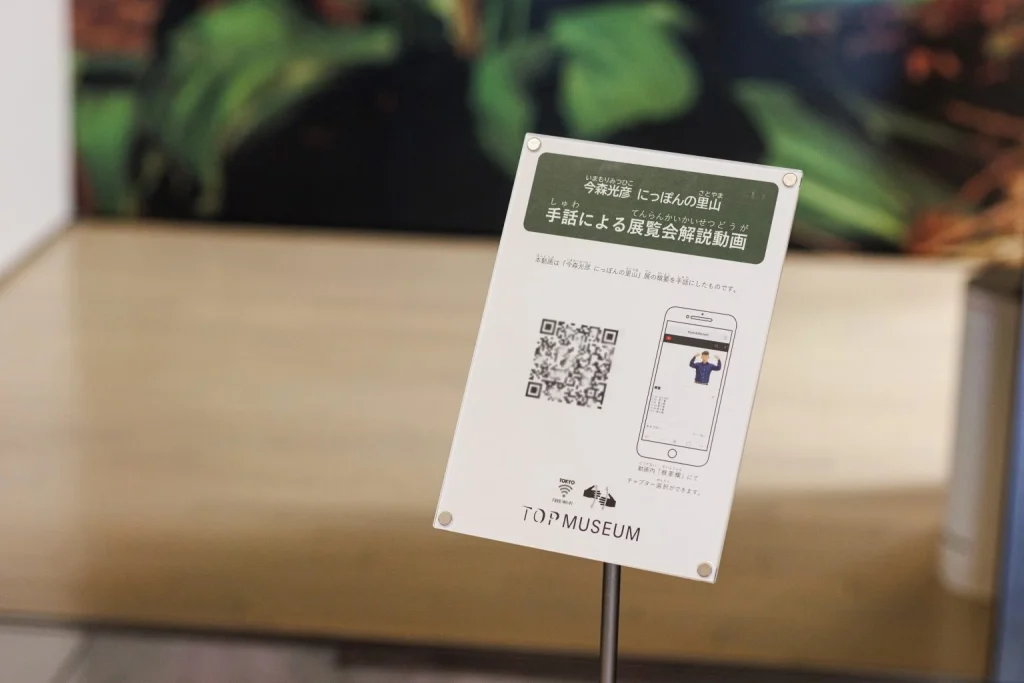
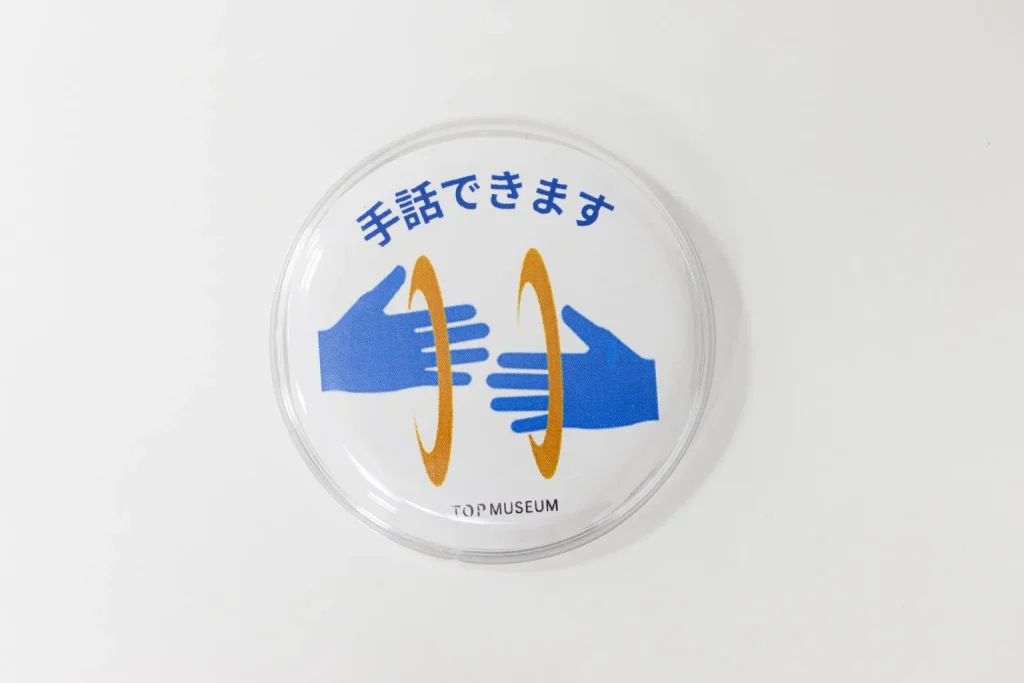
With the presence of people in charge of social symbiosis, we will be able to respond to a variety of voices that we have not been able to cope with in the past. On the other hand, there are things that are difficult to achieve in the same place, such as viewing in conversation and viewing in a quiet space.
"Of course, you can't meet all your needs at once. Sometimes it is better to watch at a pace and style that suits each individual, by dividing the time and place or using some tools. As a result, I hope we can share the experience of seeing and enjoying the same thing and that our time spent in museums will be richer."
The ideal is "A museum that can be enjoyed by anyone at any time". To that end, he says, "We want to give people as much freedom as possible." The job involves constantly imagining all kinds of situations and exploring options. Through Ms. Funonokawa, I could see the creative side of the person in charge of social symbiosis.
(Continued in Part II)
Interview and text: Sato Emi Photography: Kurihara Ron
Latest News
- Tokyo Metropolitan Foundation for History and Culture: Insider Vol. 3 Arts Council Tokyo TOKYO Smart Culture Project [Part 2]
- Tokyo Metropolitan Foundation for History and Culture: Insider Vol. 3 Arts Council Tokyo TOKYO Smart Culture Project [Part 1]
- The work of Nakanohito Vol. 2 "in charge of social symbiosis" of the Tokyo Metropolitan Foundation for History and Culture [Part II]