


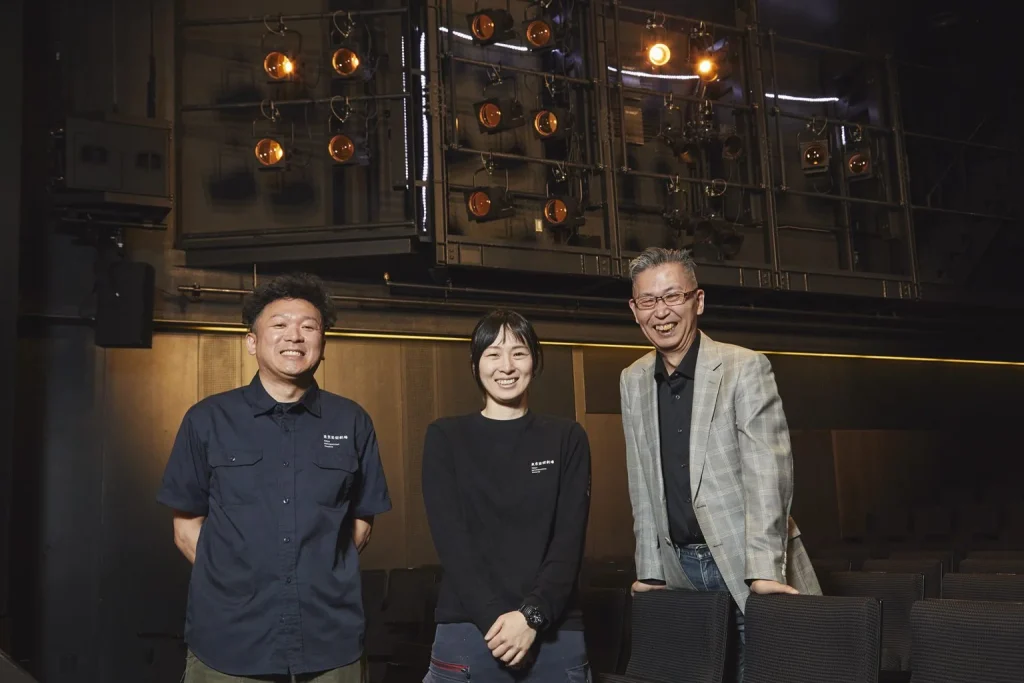
The Tokyo Metropolitan Foundation for History and Culture operates cultural facilities such as metropolitan art museums, museums, theaters, and halls, and promotes arts and culture through various projects run by Arts Council Tokyo. This series focuses on the people who work there, introducing their work and the people behind the scenes. In the first installment, we interview three people who work in stage technology at Tokyo Metropolitan Theatre: Ishimaru Koichi, who is in charge of sound; Niijima Keisuke, who is in charge of lighting and video; and Matsushima Chihiro, who is in charge of stage productions. We spoke to them about their work, their backgrounds, and what they value in their work.
*Department names and titles are those at the time of the interview.
the work of stage technology that supports a theater
Since opening in Ikebukuro in 1990, Tokyo Metropolitan Theatre (hereafter referred to as the Gekijyo) has been hosting domestic and international performing arts, with a focus on music, theater, and dance. Featuring a concert hall dedicated to classical music with one of the world's largest pipe organs, a playhouse for theater and dance performances, Theater East, and Theater West, the theatre is a creative and outreach venue for the creation and performance of performing arts. In 2012, the theatre underwent a major renovation and was completely renewed. Supporting the spectacular stage are specialists in lighting, sound, and stage design. This job is known as "stage technology," and the Gekijyo employs nine stage managers within its management department. We will introduce three of these.
We want to delight viewers with lighting and images. Keisuke Niijima
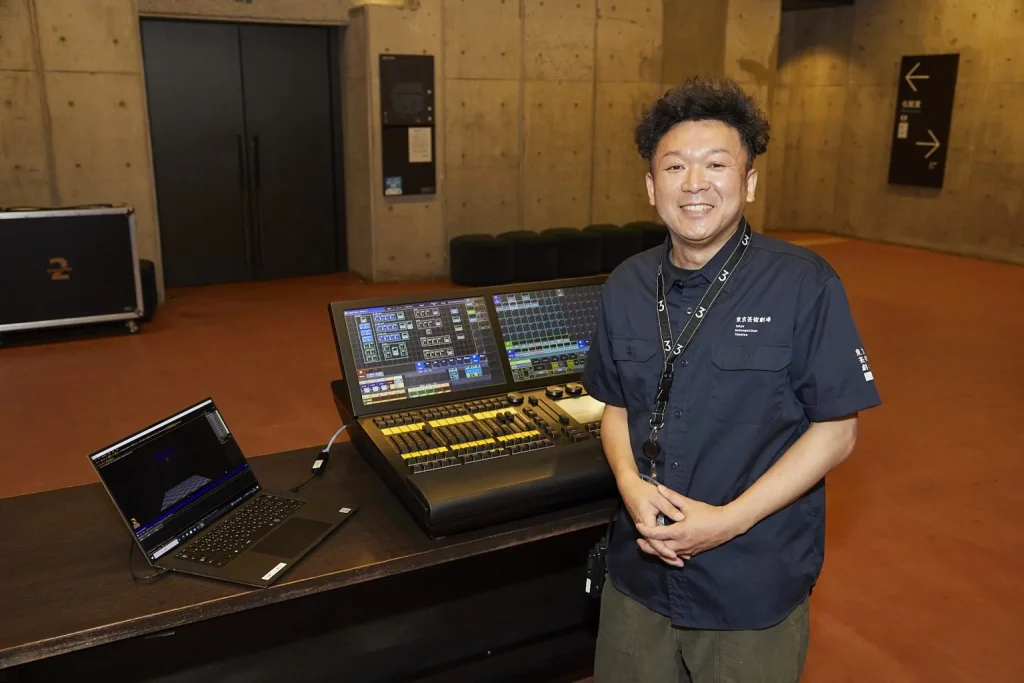
"I think that at the root of behind-the-scenes work, many people want to please everyone," says Niijima Keisuke, who oversees lighting and video design and programming, as well as stage lighting. They think about the direction by light according to the theme of music or a play, and proceed the production and the performance. When Niijima was a high school student, he set his sights on a career in sound engineering. During a part-time job at a vocational school, he went on a tour and met a lighting designer. I first worked for a stage production company and was in charge of concert tours for artists and stage lighting for theme parks. The turning point was Cirque du Soleil. I was entrusted with the management of lighting, including the operation and management of the team and the operation of the actual performance. It was impressive that they created the stage with the ingenuity of analog work even in the world show. It was in 2012 that he moved to the theater.
"To be involved in facility management and management of this scale, with four theaters and multipurpose spaces. And it ranges from amateur performances by high school students to international performances, which is different from the entertainment stage I had been involved in until then, but I thought it would be a big step up for me."
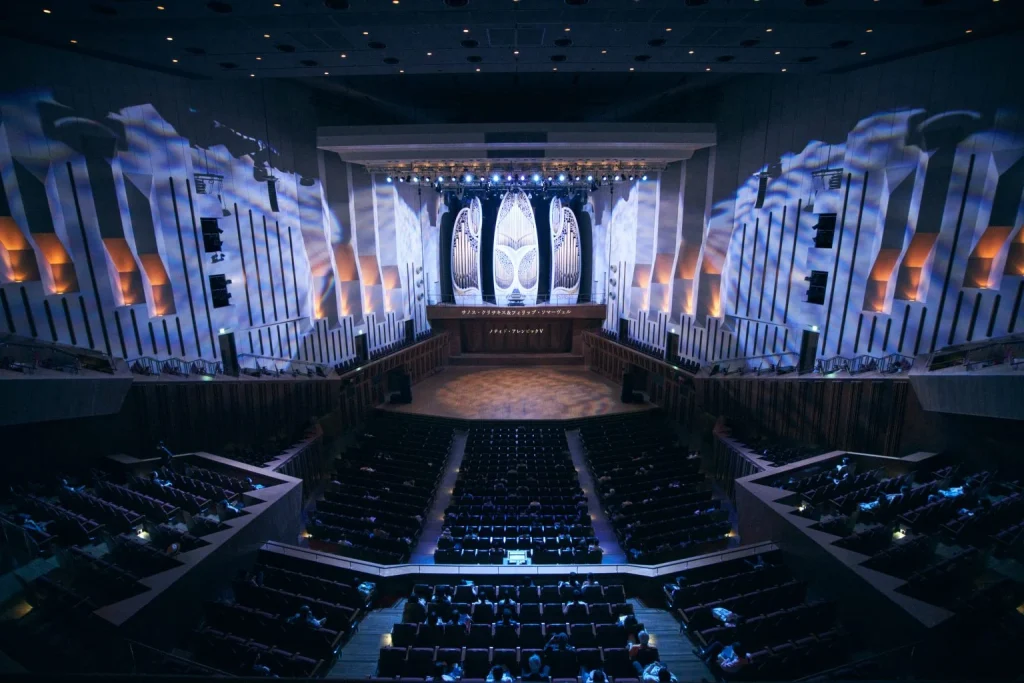
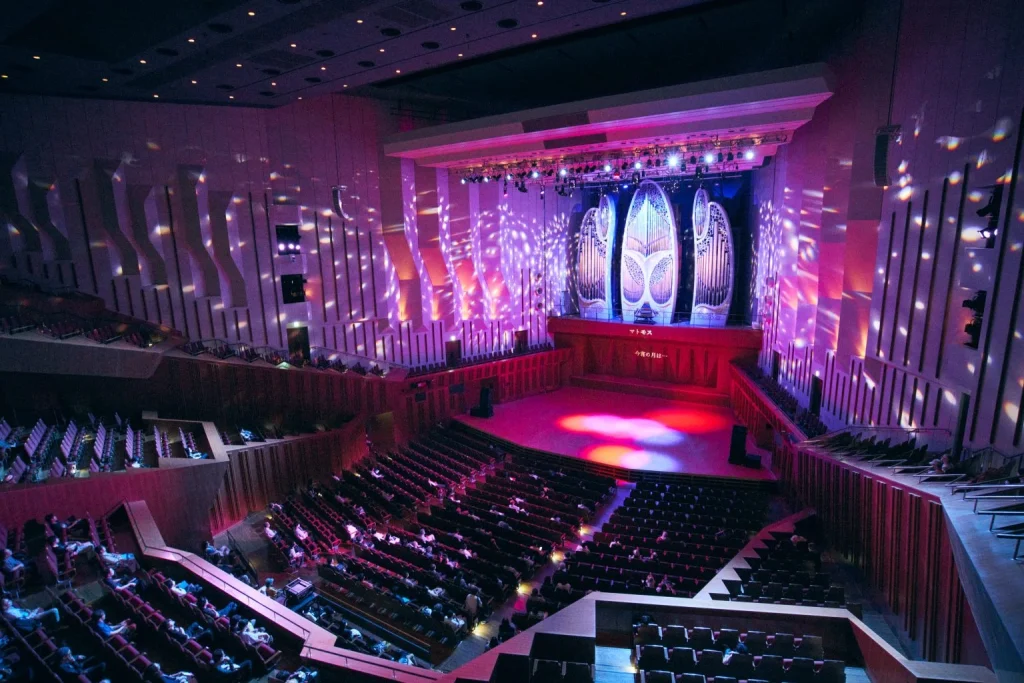
The Tokyo High School Drama Competition is held every year, but Niijima says, "It's actually more difficult than the pros.".
"I carefully draw out what high school students want to do. "I want to make the background gray," they say, but they can't make the lighting gray. The process is fun."
The lighting staff for the theater was three. "Our work cannot be done alone. I think it's a field where each person has a different personality and makes use of their charm." he says.
A sound work that puts the customer first. Kouichi Ishimaru
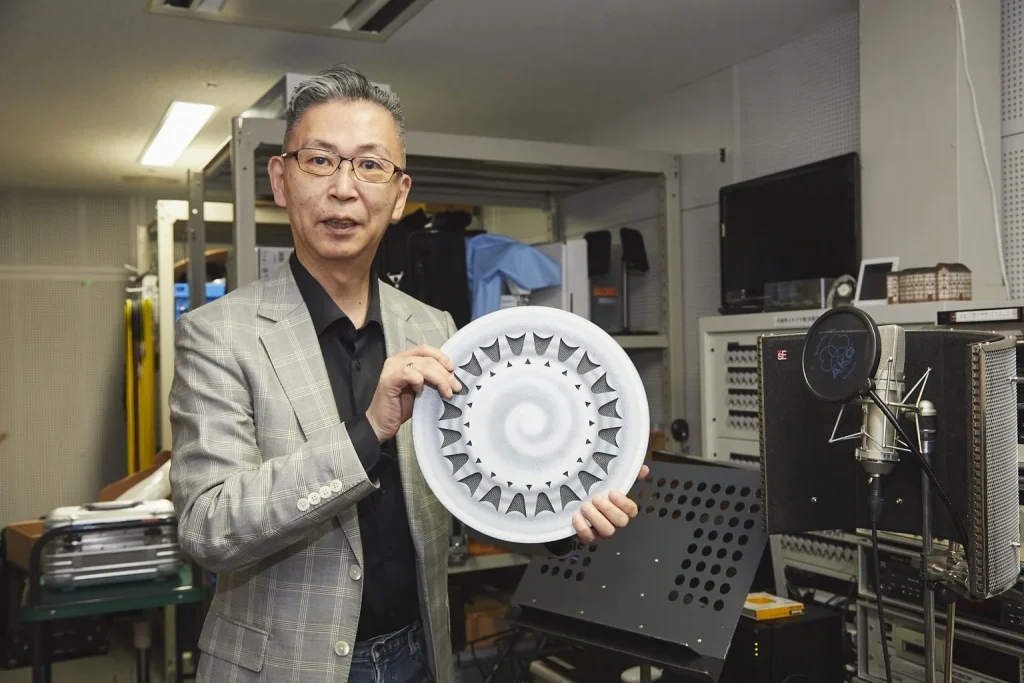
Music and sound effects essential to the performing arts. Koichi Ishimaru's job as a sound engineer is to come up with these plans and give instructions to operators. Ishimaru has been working in the theater since it opened in 1990. He became interested in sound work in his teens and was active in the broadcasting club in high school. I was shocked to experience that the music I played reached the whole school. While working on a radio program at university, he helped a fellow student in a play, which led him to pursue a career in stage sound. I took a job at a show biz studio run by Koji Tsuji, who is said to be a pioneer in stage sound, and worked on stage sound for Kabukiza and Shinbashi Enbujo. Since the opening of Gekideki, he has been in charge of opera sound making use of his skills in kabuki sound. He also studied with Boris Pokrovsky, former artistic director of the Bolshoi Theater.
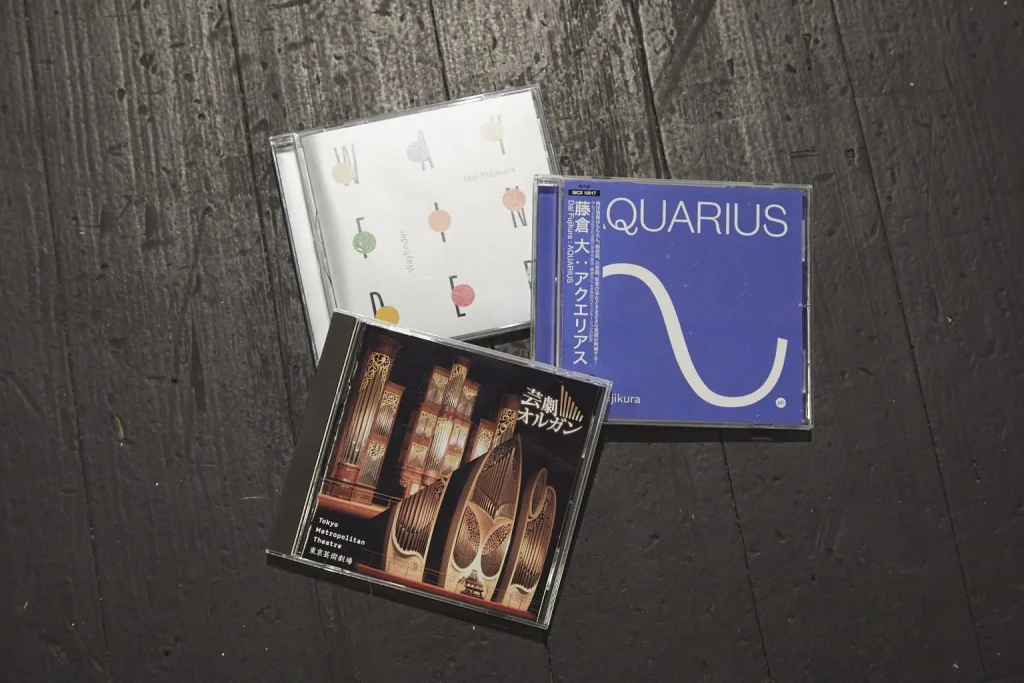
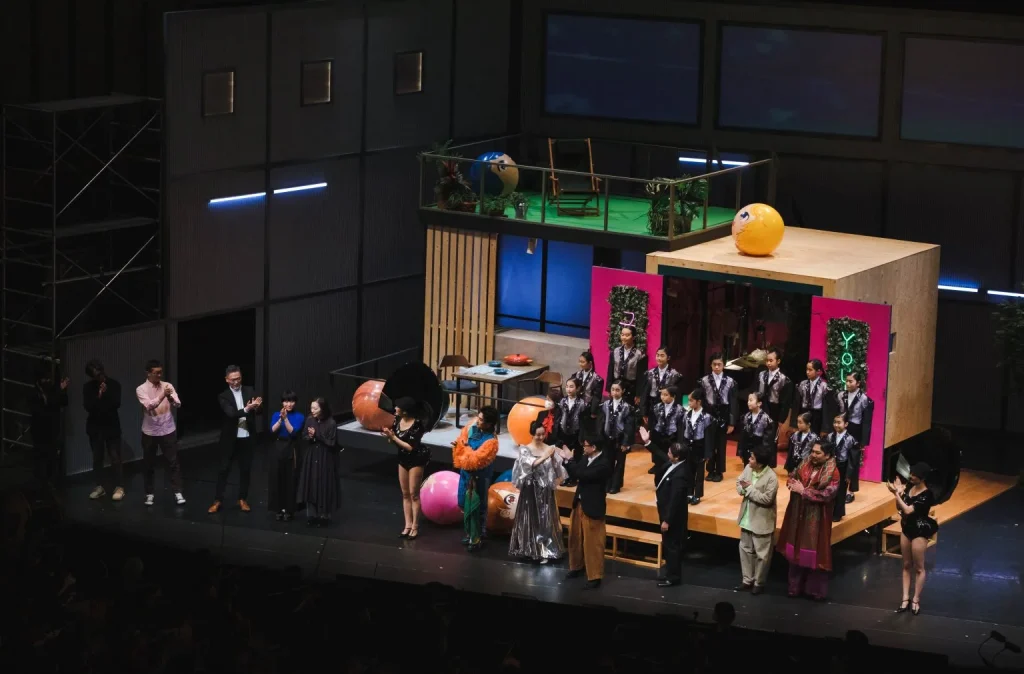
At present, two staff members are in charge of four halls. If the job of lighting is visual presentation, the job of sound is "auditory presentation."
"The sense of sight is called the sense of consciousness, and the sense of hearing is called the unconscious sense. In the case of theater, visual direction creates the world of the work itself, while auditory direction introduces the audience to the world of the work by approaching it from outside. If a four-and-a-half-tatami-mat room is set on the stage, and you hear a clattering sound, you feel that it's a house on a railway line, but if you hear a boat whistle, you feel that it's a house in a port town."
What I value in my job is the seats in the audience. "Since the sound is the vibration of the air, there is a possibility that the body will be disturbed. Put the audience in front of you first, not the director, the lead actor, or the sponsor. I think that's the most important perspective." he says.
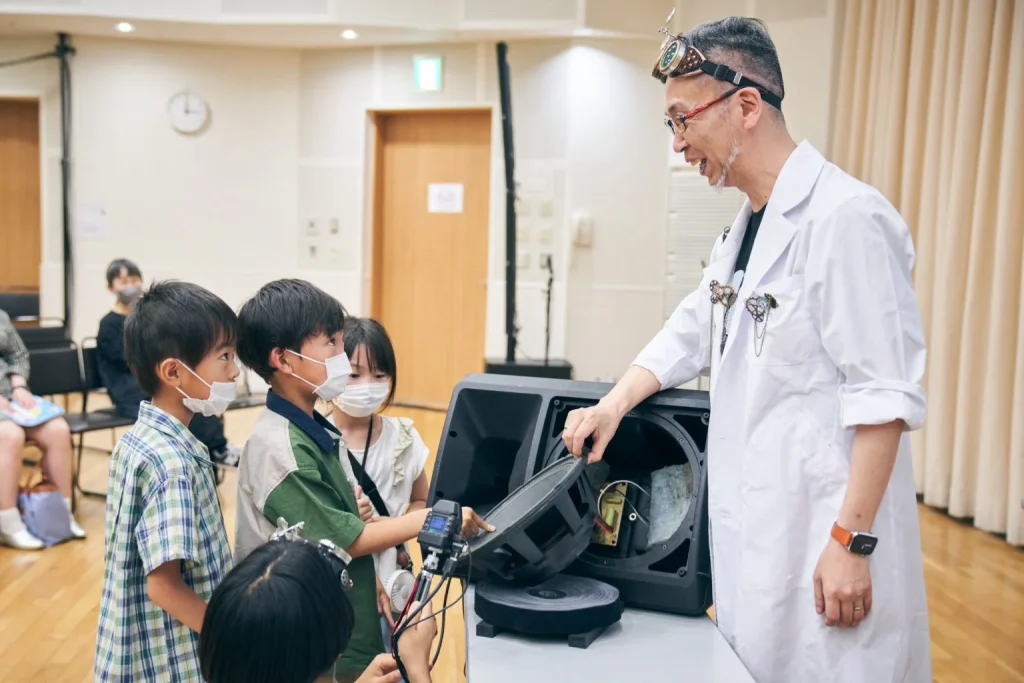
A workplace where differences are respected. Chihiro Matsushima
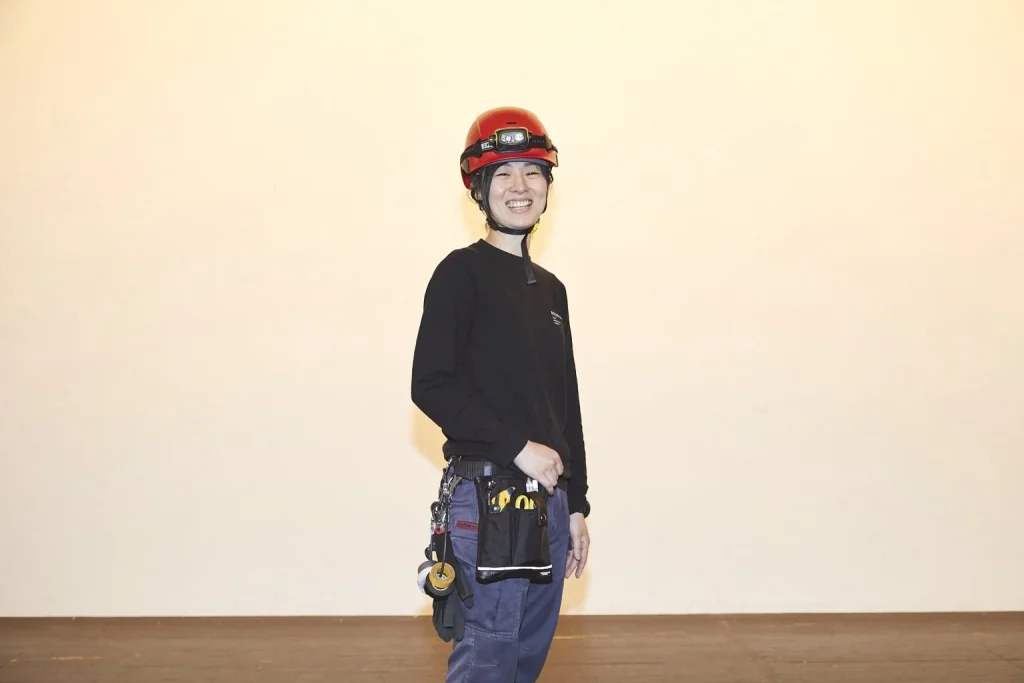
Matsushima is in charge of theater. In addition to stage art such as stage tools and props, they are in charge of the stage performance and management. The job of coordinating the staff and managing the progress while listening to the direction of the director is also called a stage manager. When he was young, Matsushima dreamed of becoming a circus clown. He was impressed by the play "Flowers for Algernon," which he happened to go to see with his family, and aimed to become an actor. I went to a university where I could study performing arts, and in addition to acting, I also learned practical skills such as lighting, stage tools and stage directing.
"As I studied various jobs in college, I found behind-the-scenes work more enjoyable." says Matsushima. After graduation, she will work as an assistant to a stage director and experience the performance of contemporary dance and ballet. One day, I had the opportunity to be involved in theatrical performance as a staff member of the opera Madame Butterfly. There, he was recruited as a stage technician and joined the company about seven years ago. He was worried at first. "He had the basics of dance performances, but he was in charge of a variety of genres. In particular, it was almost my first experience managing equipment and stage mechanics, and everything started from being taught." he says.
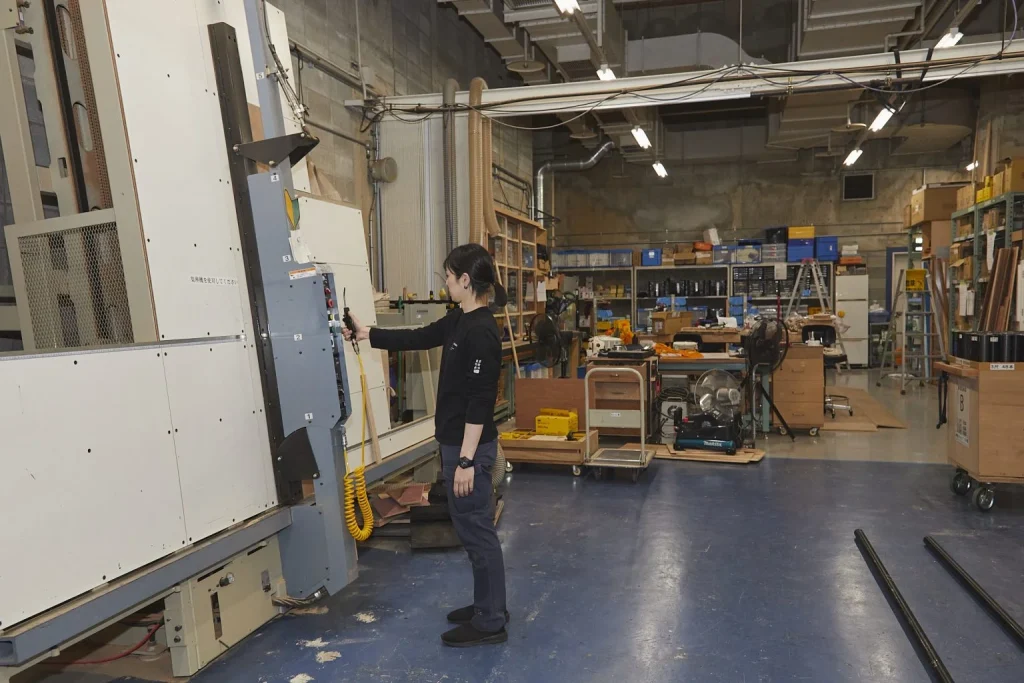

Matsushima is one of three staff members in charge of the stage. It is expressed as "It's an environment where you can consult with people regardless of age or gender, even if it's trivial. A team where you can express your opinions to seniors and respect each person's thoughts". Mr. Matsushima also says that he enjoys management work, which requires flexibility.
"For example, lighting preparation, sound plan, and stage equipment are different for each performance, so it won't be the same schedule every time. In my case, this is the kind of scheduling, but other people might have this kind of scheduling. There are many ways. And that's interesting."
(Continued in Part II)
Latest News
- Tokyo Metropolitan Foundation for History and Culture: Insider Vol. 3 Arts Council Tokyo TOKYO Smart Culture Project [Part 2]
- Tokyo Metropolitan Foundation for History and Culture: Insider Vol. 3 Arts Council Tokyo TOKYO Smart Culture Project [Part 1]
- The work of Nakanohito Vol. 2 "in charge of social symbiosis" of the Tokyo Metropolitan Foundation for History and Culture [Part II]