


This series focuses on the people who work at the Tokyo Metropolitan Foundation for History and Culture, introducing their work and the people behind the scenes. In the second part of this series, we look at the work of stage technicians at Tokyo Metropolitan Theatre, and we have a roundtable discussion with Ishimaru Koichi, Niijima Keisuke, and Matsushima Chihiro. Despite working in the same department, each specializing in sound, lighting, and stage, the three discuss a wide range of topics, including how they work together and future technological advances.
*Department names and titles are those at the time of the interview.
(Part 1 (Click here)
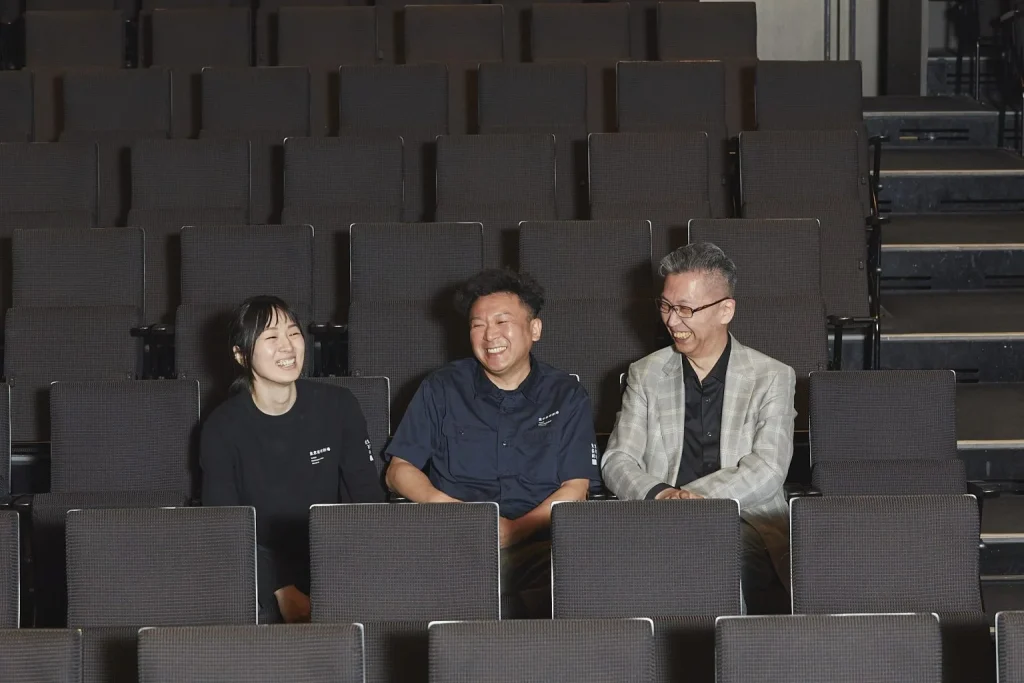
Communication is all about talking.
-― I would like to ask how you usually work together. Could you give us an example of your recent work?
Matsushima: I was not directly in charge of it, but the most recent one was opera performances.
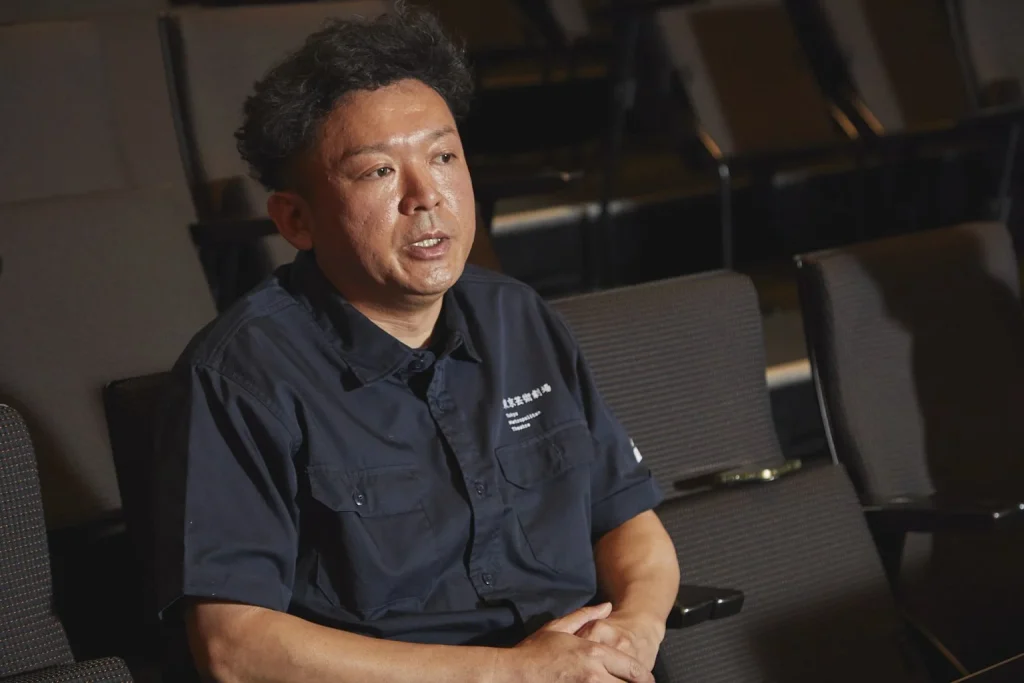
Ishimaru: Normally, the project would be planned one or two years in advance and the technical team would participate, but at that time, it was only a few months in advance. Even if you want to do that or that, there are no days in your schedule to do it .......
Niijima: The script was finally ready on the "preparation" day when you entered the theater before the performance. If you use the hall, you have to pay for the use of the theater, so you have to fight against time. From the production side, they want to shorten even one segment. The time you can work on site is limited.
-How did you manage such a difficult situation?
Ishimaru: We always share information as one team while respecting each other's expertise in stage, lighting, and sound. That's important. For example, when a director comes up with an idea about lighting, he talks to the person in charge of lighting. When the conductor thinks about sound, he talks about sound. But in fact, it often affects everyone in lighting, sound and stage. Therefore, I think it is necessary to share among sections that "we received this kind of talk."
Matsushima: Having different sections in the same office is quite important. It's easy to share without having a meeting.
Niijima: Communication is analog, not digital. I just try to talk. "Did you hear the story?" It is an environment where we can share easily because we are close to each other in the office.
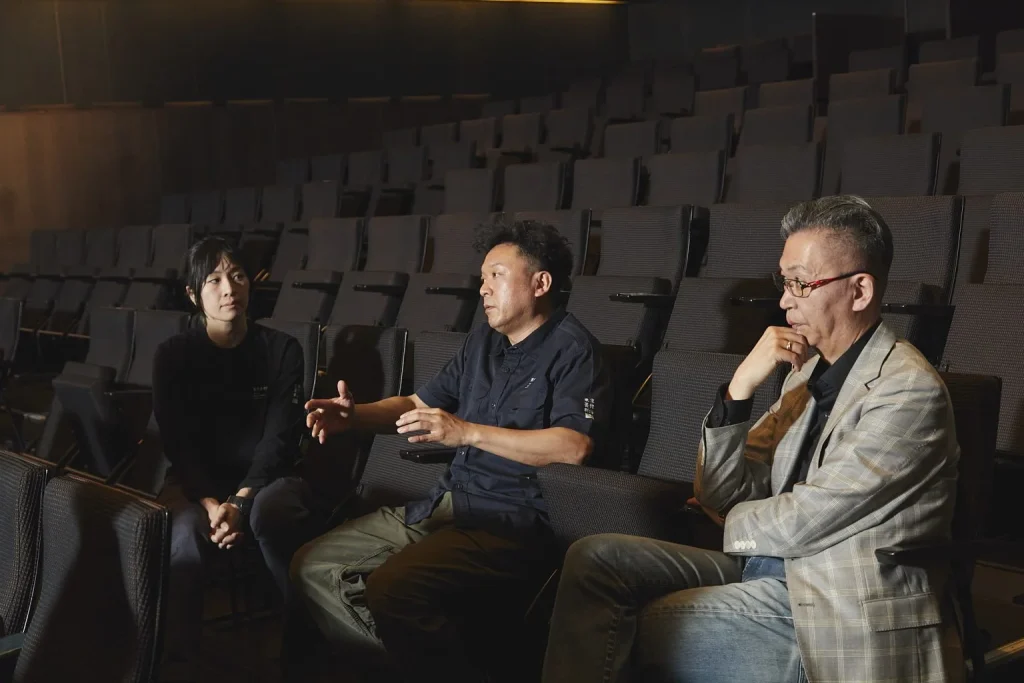
future of stage technology
-Do you often have to work overtime when you work as a stage technician in a short period of time?
Ishimaru: You may have an image of working long hours, but you have to keep your working hours and calculate the necessary preparation days and budget from there. That's the direction now.
Niijima: I decide not to take them home, and I try to put them together during my shift. After all, there are many things that can only be done on site.
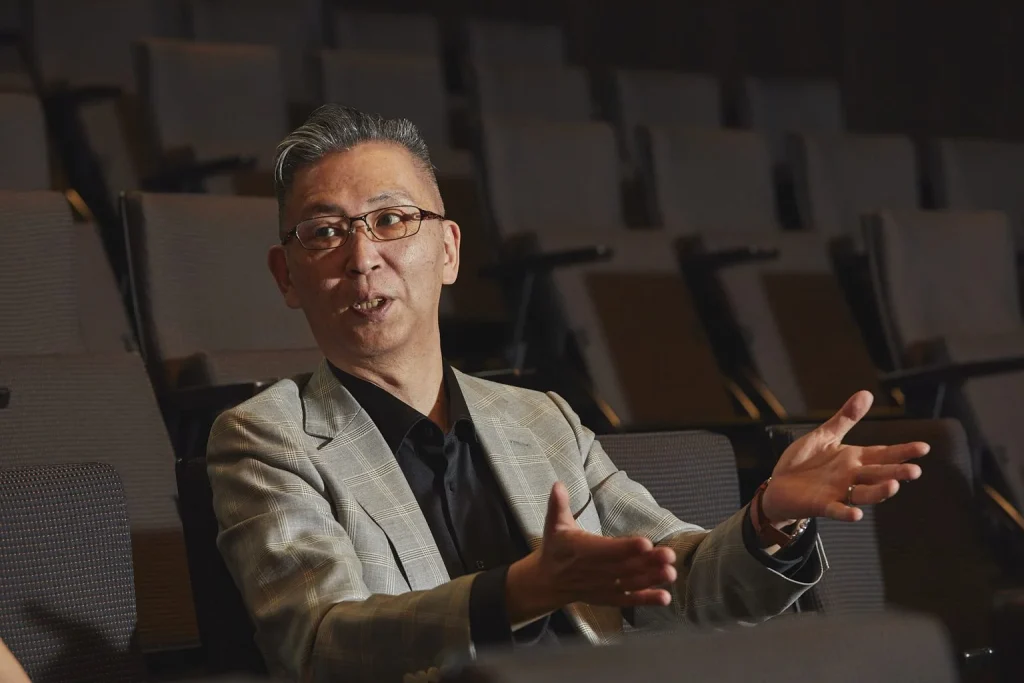
-- I'm a little relieved (laughs). I think technology jobs like yours are always with the evolution of technology. How do you see this job changing in the future?
Ishimaru: Acoustics is an inefficient process in which sound is converted from air vibrations into electrical signals, which are then converted back into air vibrations through speakers. Speakers, mixers, and other equipment for conversion have become smaller and easier to move around in recent decades. But we will decide whether the vibration of the air we hear now is the best for the audience, so I think analog work will remain.
Niijima: I can't imagine the lighting. No matter how well a machine can control the light, it's still up to people to hang the lights, and when the equipment goes wrong, they have to fix it by hand. I think things like simulators will be enhanced in the future, but human hands will never leave.
Matsushima: Stage mechanics involve operating large machines, such as moving panels, curtains, and speakers up and down. Even if conditions are programmed by computers or better safety systems are developed, I think that the part where humans visually judge safety will not change. The operation of a large mechanism may lead to an accident, so I hope that a support system to ease tension will be created.
--If you want to learn more about your work in the future, it would be a good idea to join the Tokyo Metropolitan Theatre Backstage Tour.
Niijima: You can also experience the work of each department by introducing it and operating it in places you normally can't enter. It is popular every time and it may be drawn, but please try to participate.
-Finally, Tokyo Metropolitan Theatre will be temporarily closed for approximately 10 months from September 30, 2024. How will the Theatre be renovated?
Ishimaru: The main purpose is to install air conditioners, but we plan to use this opportunity to renew equipment and systems as we make a mid- to long-term plan for stage technology every year. In line with that, I think it will be a period for us to improve our skills.
-― I ’ m looking forward to the resumption of the gradually evolving performance.
Interview and text: Sato Emi Photography: Hatakenaka Aya
Latest News
- Tokyo Metropolitan Foundation for History and Culture: Insider Vol. 3 Arts Council Tokyo TOKYO Smart Culture Project [Part 2]
- Tokyo Metropolitan Foundation for History and Culture: Insider Vol. 3 Arts Council Tokyo TOKYO Smart Culture Project [Part 1]
- The work of Nakanohito Vol. 2 "in charge of social symbiosis" of the Tokyo Metropolitan Foundation for History and Culture [Part II]